
Your dog's paws work hard every single day, carrying them on countless adventures, walks, and play sessions. Yet paw care for dogs often gets overlooked in our regular grooming routines. These amazing pads deserve our attention and care because they're your pup's first line of defense against rough terrain, extreme temperatures, and potential injuries. Taking a few minutes each week to check and care for your dog's paws can prevent painful problems and keep your four-legged friend happy and active.
Understanding Your Dog's Paw Anatomy
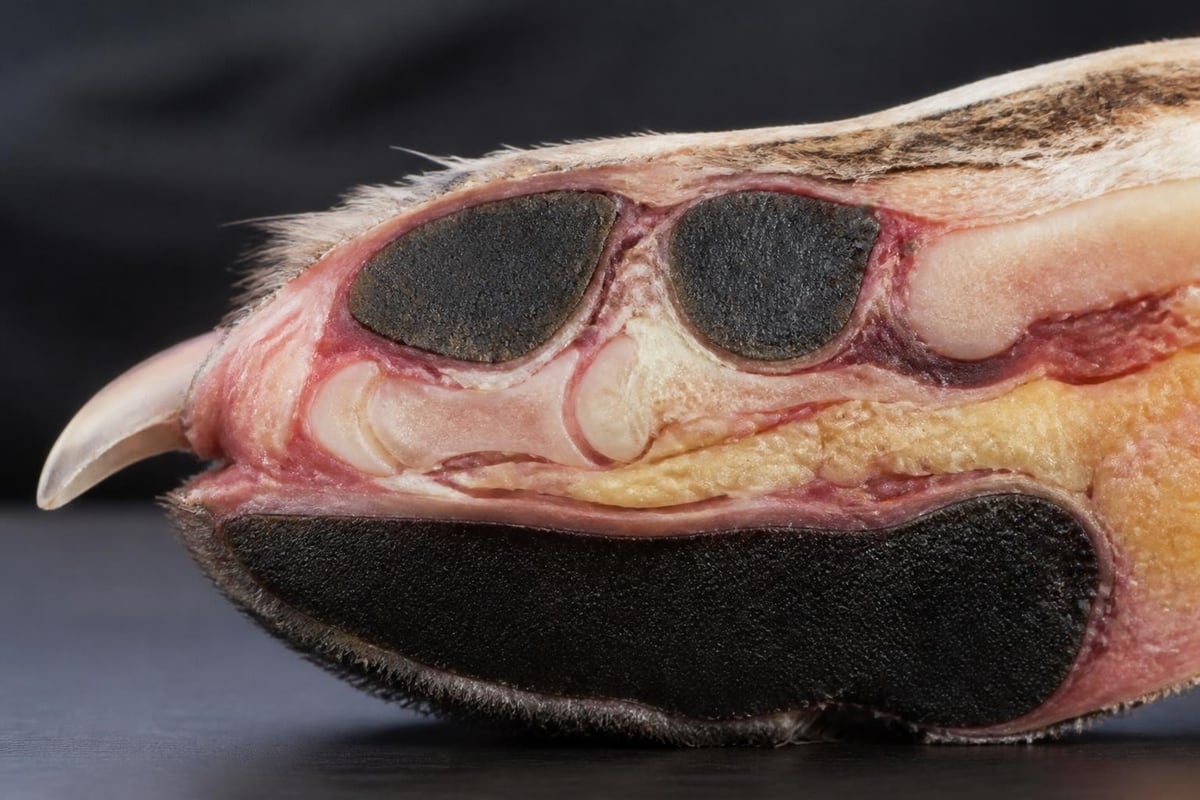
Before we dive into care routines, let's appreciate what we're working with. Dog paws are incredible structures designed for cushioning, traction, and protection.
Each paw contains several important components that work together beautifully:
- Digital pads – the four toe pads on each foot
- Metacarpal pad – the large central pad
- Carpal pad – the small pad higher on the front legs
- Dewclaw – the "thumb" on the inner leg
- Nails – for traction and digging
The paw pads themselves contain thick, fatty tissue that acts as a shock absorber. They're tougher than regular skin but still vulnerable to cuts, burns, and cracking. Between the toes, you'll find softer skin and fur that can trap debris, ice, or irritants.
Understanding this anatomy helps you know what to look for during inspections. Each part needs attention, from the webbing between toes to the tough pad surface.
Daily and Weekly Paw Inspection Routine
Making paw checks part of your regular routine catches problems early. We recommend a quick daily glance and a thorough weekly examination.
Quick Daily Check
After walks or outdoor play, take 30 seconds per paw:
- Look between the toes for stuck debris, seeds, or burrs
- Check pad surfaces for cuts or foreign objects
- Wipe paws with a damp cloth to remove dirt and allergens
- Feel for any heat, swelling, or tender spots
This simple habit prevents small issues from becoming big problems. Many owners combine this with treat time, making it a positive experience their dogs actually enjoy.
Thorough Weekly Examination
Set aside five minutes each week for deeper inspection. Good lighting helps tremendously.
| Inspection Area | What to Check | Warning Signs |
|---|---|---|
| Paw pads | Texture, cracks, cuts | Rough patches, bleeding, discoloration |
| Between toes | Redness, swelling, odor | Inflammation, discharge, excessive licking |
| Nails | Length, cracks, quick visibility | Overgrown nails, splits, clicking on floor |
| Dewclaws | Growth, ingrown nails | Curling into skin, bleeding |
The ASPCA dog grooming and paw-care advice offers veterinarian-reviewed guidance on recognizing these common issues during your inspections.
Cleaning and Maintenance Best Practices
Proper paw care for dogs includes regular cleaning that goes beyond a simple rinse. Your cleaning routine should adapt to your dog's lifestyle and environment.
Dogs who spend time outdoors need more frequent cleaning than primarily indoor pups. After muddy walks or beach trips, thorough cleaning prevents irritation and keeps your home cleaner too.
Step-by-Step Cleaning Process
Start with lukewarm water and a gentle, dog-safe cleanser. Never use harsh chemicals or human soaps that can dry out or irritate paw pads.
- Wet each paw thoroughly, working water between the toes
- Apply a small amount of cleanser and massage gently
- Pay special attention to the spaces between pads where dirt hides
- Rinse completely, ensuring no soap residue remains
- Pat dry with a soft towel, including between toes
For dogs who dislike paw handling, turn it into a game. Offer treats, use a calm voice, and keep sessions short at first. Most dogs adapt quickly when they associate paw care with positive experiences.
Managing Paw Fur
Long-haired breeds need regular trimming of the fur between their paw pads. Overgrown fur collects debris, ice balls, and moisture that can cause irritation.
Use blunt-tipped scissors or clippers designed for paws. Trim the fur so it's level with the pads, not shorter. This maintains natural protection while preventing matting and debris collection. If you're nervous about trimming, your groomer can handle this during regular appointments.
Nail Care Fundamentals
Nail trimming is a crucial aspect of paw care for dogs that many owners approach with anxiety. We understand the worry, but overgrown nails cause real discomfort and health issues.
When nails grow too long, they change your dog's gait, putting pressure on joints and causing pain. They can also split, crack, or grow into the paw pads.
How Often Should You Trim?
Most dogs need nail trims every 3-4 weeks. You'll know it's time when you hear clicking on hard floors or see nails touching the ground when your dog stands.
Active dogs who walk on concrete may naturally wear down their nails, needing less frequent trimming. Indoor or older dogs typically need more regular attention.
Safe Trimming Technique
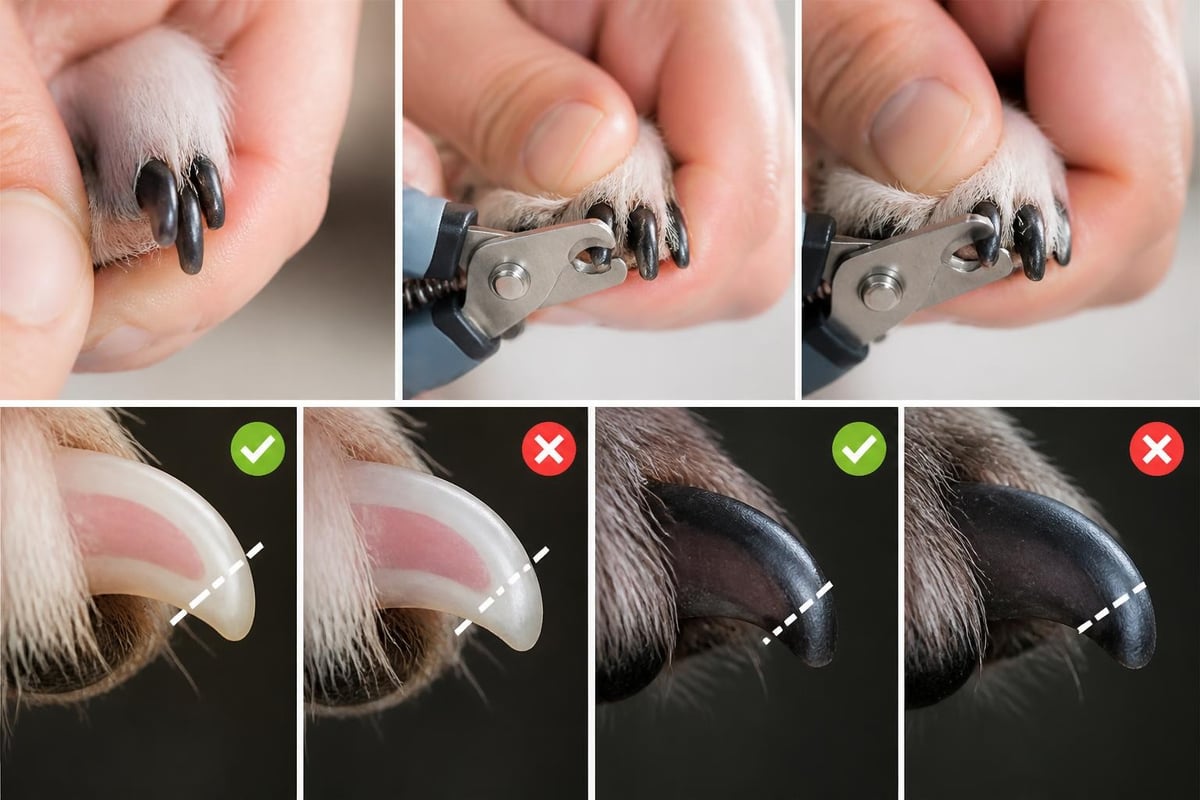
Choose quality clippers appropriate for your dog's size. Guillotine-style or scissor-style both work well when sharp and well-maintained.
- Hold your dog's paw firmly but gently
- Identify the quick (the pink area visible in light-colored nails)
- Cut at a 45-degree angle, staying 2mm away from the quick
- Take small cuts rather than one big snip
- Use a nail file to smooth rough edges
For dark nails where you can't see the quick, cut small amounts and watch for a darker center dot to appear. Stop before you reach it. The VCA Hospitals overview of puppy and dog paw injuries includes helpful guidance on nail care and what to do if you accidentally cut too short.
Protecting Paws from Environmental Hazards
Different seasons and environments pose unique challenges for paw care for dogs. Smart protection keeps your pup comfortable year-round.
Hot Pavement and Summer Heat
Asphalt can reach 140°F on sunny days, hot enough to burn paw pads in seconds. The seven-second rule helps: place your palm on the pavement for seven seconds. If it's too hot for your hand, it's too hot for paws.
Summer protection strategies include:
- Walking during cooler morning or evening hours
- Choosing grassy routes when possible
- Using protective paw balms before walks
- Considering breathable dog booties for extended outings
The UC Davis Veterinary Medicine feature on treating burned paw pads demonstrates how serious heat injuries can become, highlighting why prevention matters so much.
Winter Challenges and Solutions
Cold weather brings its own set of problems. Ice, snow, and chemical de-icers can damage paws quickly.
| Winter Hazard | Effect on Paws | Prevention Strategy |
|---|---|---|
| Ice and snow | Cracking, frostbite | Limit exposure time, use balms |
| Salt and de-icers | Chemical burns, dryness | Rinse after walks, protective wax |
| Ice balls between toes | Pain, limping | Trim fur short, use booties |
The RSPCA winter care guidance for dogs provides excellent practical advice on protecting paw pads from frost and ice-melt chemicals. After winter walks, always rinse paws with lukewarm water to remove salt and chemicals.
Rough Terrain and Outdoor Adventures
Hiking, beach trips, and trail running expose paws to rocks, shells, thorns, and rough surfaces. Gradually building up calluses helps, but even tough pads need protection during intense activities.
For adventure dogs, consider conditioning paws gradually. Start with shorter distances on varied terrain, allowing pads to toughen naturally. Paw wax products create a protective barrier without interfering with natural traction.
Moisturizing and Conditioning
Just like our skin, paw pads can become dry and cracked, especially in extreme weather. Proper moisturizing is an essential element of paw care for dogs.
When Paws Need Moisture
Watch for these signs that pads need conditioning:
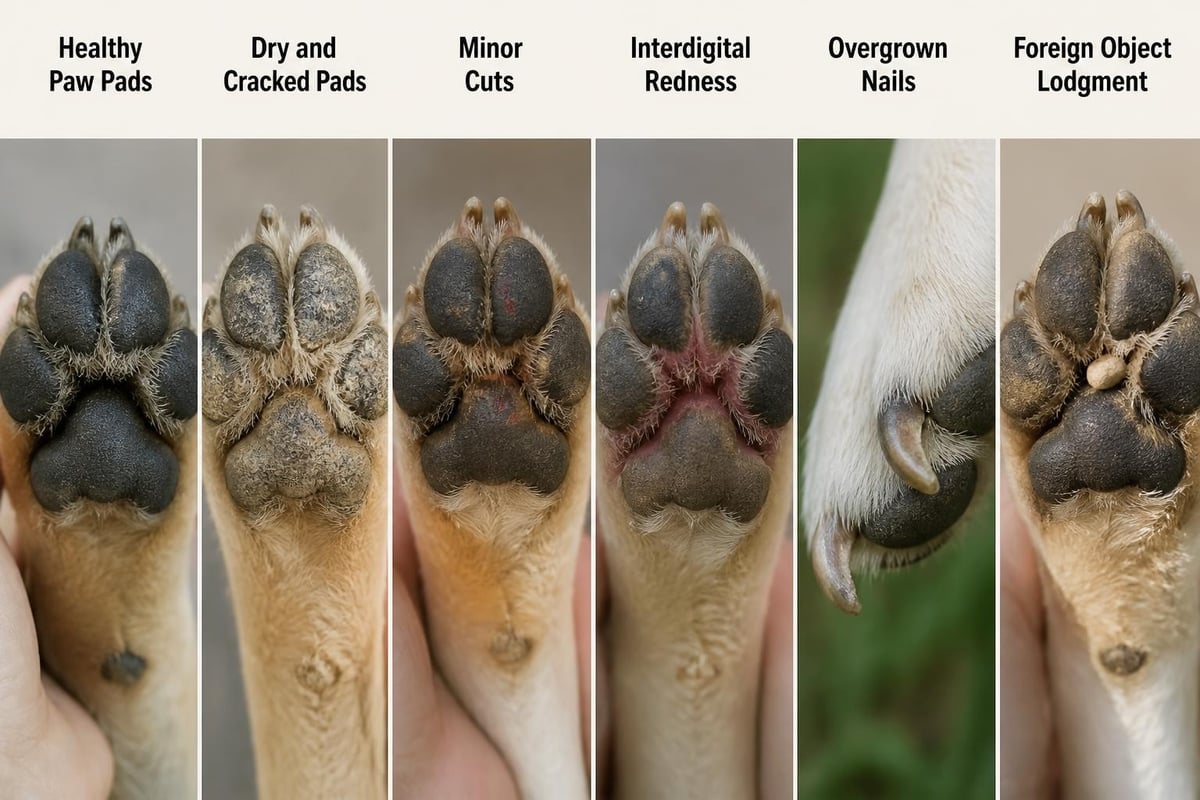
- Visible cracks or fissures in the pad surface
- Dry, flaky appearance
- Rough texture instead of supple pads
- Your dog frequently licking or chewing paws
Seasonal changes often trigger dryness. Winter heating indoors and summer heat outdoors both strip moisture from paw pads.
Choosing the Right Products
Dog-specific paw balms work best because they're formulated to be safe if licked. Look for natural ingredients like shea butter, coconut oil, beeswax, and vitamin E.
Apply balm after cleaning and drying paws, massaging gently into pads and between toes. Most dogs need application 2-3 times weekly, though working breeds or those in harsh climates may benefit from daily use.
Avoid human lotions, which often contain ingredients toxic to dogs or fragrances that encourage excessive licking.
Recognizing and Addressing Common Paw Problems
Even with excellent care, paw issues can develop. Knowing what to watch for and when to seek help protects your dog's health.
Minor Cuts and Scrapes
Small cuts happen. If the wound is minor and not bleeding heavily, clean it with warm water and apply a pet-safe antiseptic. Keep the area clean and watch for signs of infection like swelling, heat, or discharge.
The AVMA pet-first-aid brochure includes veterinary-backed first-aid steps for paw injuries, helping you know what you can handle at home versus what needs professional care.
Infections and Interdigital Issues
The spaces between toes can develop infections, often from trapped moisture, allergies, or foreign bodies. Signs include:
- Redness and swelling between toes
- Excessive licking or chewing
- Foul odor
- Discharge or oozing
These issues need veterinary attention. Merck Veterinary Manual’s clinical review on interdigital furunculosis explains how these infections develop and why professional diagnosis matters for proper treatment.
When to Contact Your Veterinarian
Some situations require immediate professional care. Don't wait if you notice:
- Heavy bleeding that doesn't stop with pressure
- Deep cuts or puncture wounds
- Severe burns or frostbite
- Limping or inability to bear weight
- Signs of infection (heat, swelling, pus)
- Foreign objects you can't easily remove
Quick response prevents complications. For guidance on dog emergencies including serious paw injuries, visit our dog emergency resource for immediate action steps.
Breed-Specific Paw Care Considerations
Different breeds face unique paw challenges based on their size, coat type, and original purpose. Tailoring your paw care for dogs approach to your specific breed ensures better results.
Large and Giant Breeds
Breeds like Great Danes, Mastiffs, and Saint Bernards carry significant weight on their paws. Their size makes them prone to pad cracks and nail issues.
These gentle giants benefit from:
- More frequent moisturizing to prevent weight-related cracking
- Regular nail trims to reduce joint stress
- Cushioned surfaces for resting
- Careful monitoring during growth spurts
Small and Toy Breeds
Chihuahuas, Yorkies, and other tiny pups have delicate paws vulnerable to injury. Their small size means even minor issues can significantly impact mobility.
Focus on protection from larger dogs, rough surfaces, and temperature extremes. Many small breed owners find booties invaluable for outdoor adventures. Check out our guide to most popular US dog breeds to learn more about breed-specific needs.
Working and Athletic Breeds
Border Collies, Huskies, and sporting dogs put tremendous stress on their paws through constant activity. These athletes need conditioning and recovery support.
Build endurance gradually, use protective wax during intense activities, and inspect paws thoroughly after work or play sessions. Athletic dogs benefit from paw massage to improve circulation and identify issues early.
Frequently Asked Questions About Paw Care for Dogs
How often should I check my dog's paws?
Perform quick visual checks daily after outdoor activities, and conduct thorough examinations weekly. Active dogs or those in harsh environments may need more frequent attention to catch issues early.
Can I use human moisturizer on my dog's paws?
No, stick to dog-specific paw balms. Human lotions often contain ingredients toxic to dogs if ingested, and dogs will lick their paws. Dog balms are formulated to be safe and effective for this natural behavior.
What's the best way to get my dog comfortable with paw handling?
Start young if possible, using positive reinforcement with treats and praise. Handle paws gently during calm moments, gradually increasing duration. Make it part of bonding time rather than a battle. Most dogs adapt within a few weeks of consistent, positive practice.
How do I know if my dog's nails are too long?
Listen for clicking on hard floors when your dog walks. Visually, nails shouldn't touch the ground when your dog stands. If you can see nails extending past the paw pads or your dog's toes are spreading, it's time for a trim.
Are dog booties necessary?
Not for every dog, but they're valuable in specific situations: extreme heat or cold, rough terrain, post-surgery protection, or for dogs with chronic paw issues. Many dogs resist them initially but adapt with patience and positive training.
What should I do if my dog is limping?
Examine the paw for obvious issues like cuts, foreign objects, or swelling. If you can't identify or easily resolve the problem, contact your veterinarian. Persistent limping always warrants professional evaluation, even without visible injury.
How can I toughen my dog's paw pads naturally?
Gradual exposure to varied surfaces builds natural calluses. Start with short walks on different terrain, slowly increasing distance and difficulty. Avoid sudden jumps in intensity. Consistent, moderate activity over weeks develops resilient pads better than forcing tough conditions.
Building Your Paw Care Routine
Creating a sustainable paw care for dogs routine doesn't require hours of time. Consistency matters more than perfection.
Weekly Routine Template
Here's a simple schedule that works for most dogs:
Daily (1 minute):
- Quick visual paw check after outdoor time
- Wipe paws with damp cloth
2-3 times weekly (3 minutes):
- Apply paw balm or moisturizer
Weekly (10 minutes):
- Thorough paw examination
- Trim paw fur if needed
- Check nail length
Every 3-4 weeks (15 minutes):
- Trim nails or schedule groomer appointment
Adjust this template based on your dog's breed, activity level, and environment. Beach dogs need post-swim rinses. Winter pups need more frequent balm application. Working dogs benefit from daily massage.
Making It Enjoyable
Turn paw care into quality bonding time rather than a chore. Use a calm, happy voice. Offer special treats reserved only for paw care sessions. Some dogs love paw massages once they understand how good they feel.
Create positive associations from the start. If your dog seems anxious, slow down and break tasks into smaller steps. Celebrate small victories. The goal is a relaxed dog who accepts or even enjoys paw attention.
Supplies to Keep on Hand
Stock a simple paw care kit with essentials:
- Quality nail clippers appropriate for your dog's size
- Nail file or grinder
- Dog-safe paw balm or moisturizer
- Blunt-tipped scissors for fur trimming
- Soft towels dedicated to paw drying
- Pet-safe antiseptic for minor cuts
- Tweezers for removing debris
Keep everything in one accessible spot so you're ready for regular maintenance or unexpected issues.
Supporting Overall Paw Health
Paw care for dogs extends beyond external maintenance. Internal factors significantly impact paw health too.
Nutrition for Healthy Paws
Proper nutrition supports strong nails, resilient pads, and healthy skin. Omega-3 fatty acids promote skin health and reduce inflammation. Biotin strengthens nails. Zinc supports healing and tissue integrity.
Quality dog food typically provides these nutrients, but some dogs benefit from supplements. Consult your veterinarian before adding supplements to ensure appropriate dosing and avoid interactions.
Weight Management
Excess weight puts tremendous stress on paws, accelerating pad wear and increasing injury risk. Maintaining your dog's ideal weight protects joints and paws simultaneously.
If your dog is overweight, work with your veterinarian on a safe weight loss plan. Even modest weight reduction can significantly improve paw comfort and overall mobility.
Exercise Balance
Regular activity strengthens paws, but too much too fast causes damage. Build endurance gradually, especially when introducing new activities or surfaces.
Watch for signs your dog's paws need rest: excessive licking, favoring legs, or reluctance to continue activities they normally enjoy. Rest days are essential for recovery and preventing overuse injuries.
Healthy paws keep your dog comfortable, active, and ready for every adventure life brings. By incorporating these practical paw care for dogs strategies into your routine, you're giving your furry friend the foundation for a happy, pain-free life. Remember that consistent attention prevents most problems, and early detection makes treatment easier when issues do arise. Whether you're new to dog ownership or looking to improve your current routine, Dog Care Guide offers the cheerful, practical support you need to keep your pup's paws in perfect condition. Visit us for more heartwarming advice on grooming, health, and giving your dog the wonderful life they deserve.