
Discover gentle, easy-to-follow steps to guide your pup with love! Explore sweet and simple tips for teaching fun new tricks, gently working through stubborn habits, and making training and behavior work a rewarding bonding experience for you both.
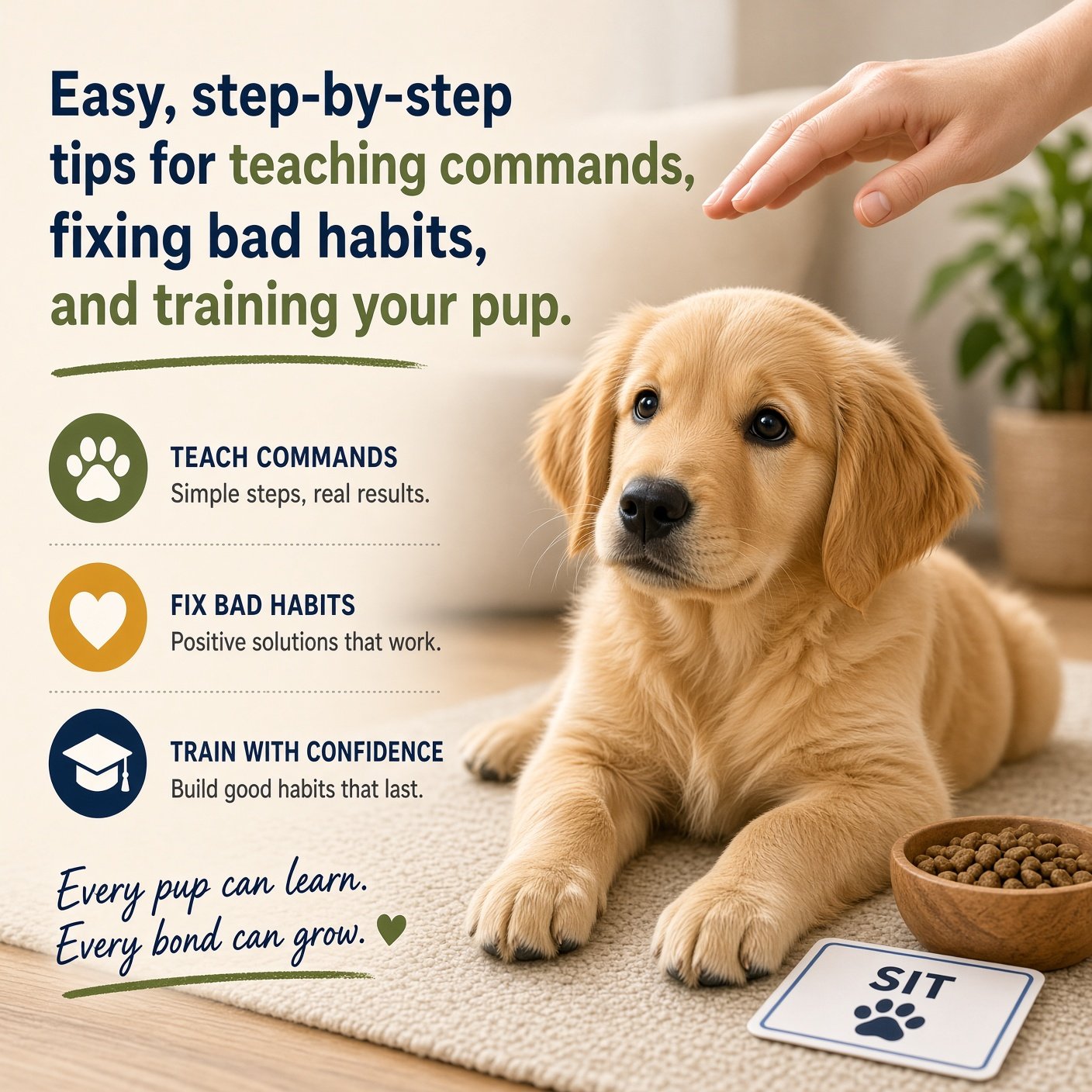
Kind training and behavior habits that actually stick
Your dog learns best when practice feels safe and clear. Therefore, short sessions, calm praise, and one simple cue at a time often work better than long, frustrating drills. In fact, a few focused minutes can teach more than an hour of mixed signals.
These training and behavior guides are written for real homes. You can start with one small skill today, then build confidence as your pup succeeds. Over time, that kind approach helps manners, focus, and trust grow together.
- Keep sessions short, upbeat, and easy to end on a win.
- Reward the behavior you want the moment it happens.
- Use the same words and hand signals so your dog can predict what comes next.
- Practice in a quiet room first, then slowly add mild distractions.
- Watch body language so you can pause before your pup feels overwhelmed.
Tricks, manners, and calmer everyday life
Training is not only sit, stay, and leave it. It is also how your dog greets guests, settles in a crate, walks on a leash, and tells you they need space. Moreover, when you respond with patience, hard habits are easier to reshape.
Start with skills that make daily life smoother. Then add fun tricks that keep your dog mentally busy. Likewise, pair practice with rest, play, and cozy downtime so learning never feels like pressure. For home routines that support calmer days, visit our Dog Care Tips page. For feeding and wellness support, see Health And Nutrition.
For extra science-based training guidance, you can also review the American Veterinary Medical Association advice on training your pet.
Latest training and behavior guides
Browse every article in this category below. New guides appear here as they are published, so you can keep finding gentle, practical help for life with your dog.
-
Dog Boarding Near Disneyland: Your Complete 2026 Guide
Planning a Disneyland trip? Find the perfect dog boarding near Disneyland with our guide to facilities, tips, and how to keep your pup happy.
-
Doggie Day Out: Making Every Outing Fun and Safe
Plan the perfect doggie day out with tips on destinations, safety, gear, and activities that keep your pup happy, healthy, and engaged.
-
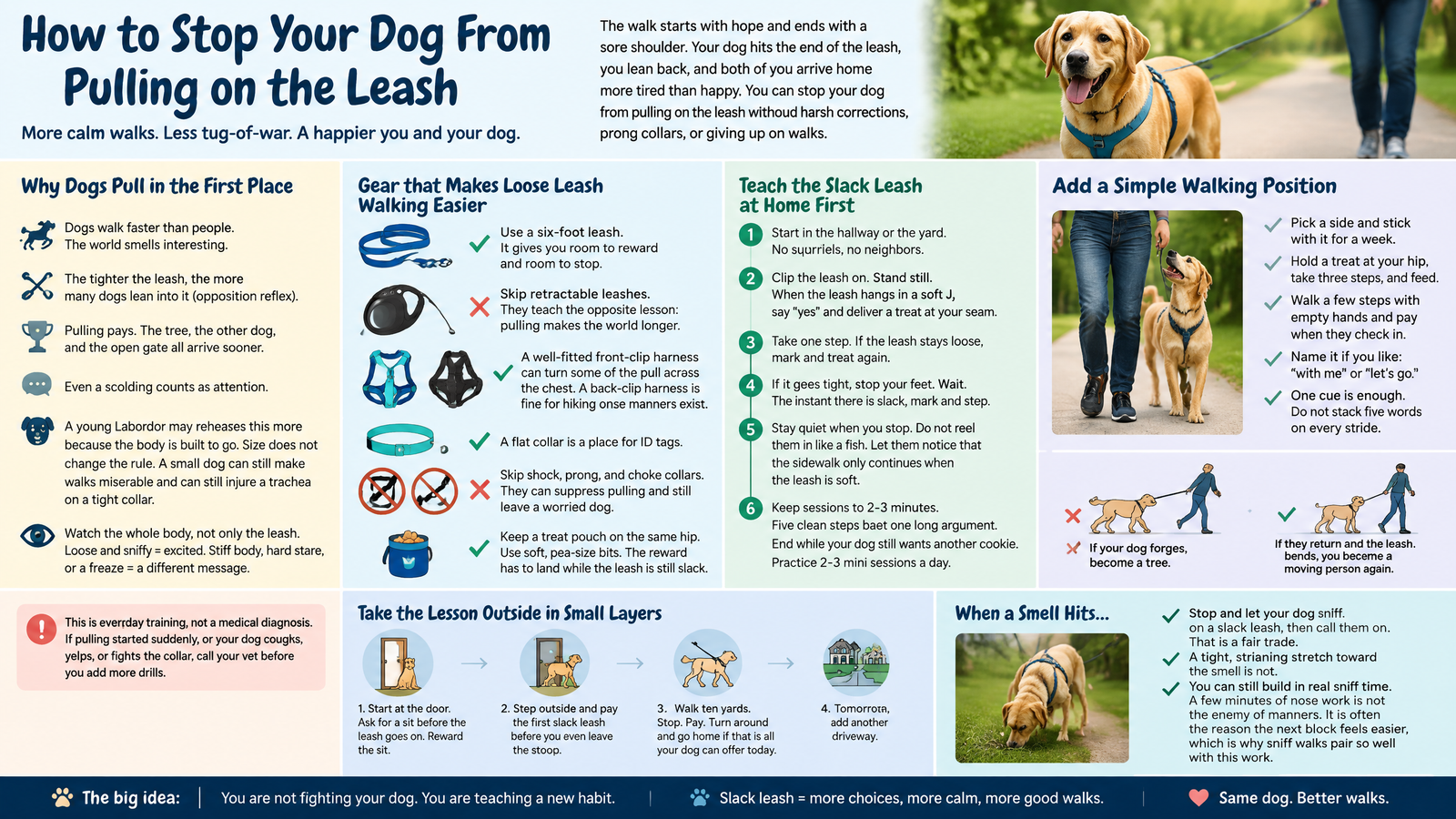
How to Stop Your Dog From Pulling on the Leash
Pulling pays, because the tree arrives sooner. Stop when the leash goes tight, pay when it hangs loose, and start in the hallway.
-
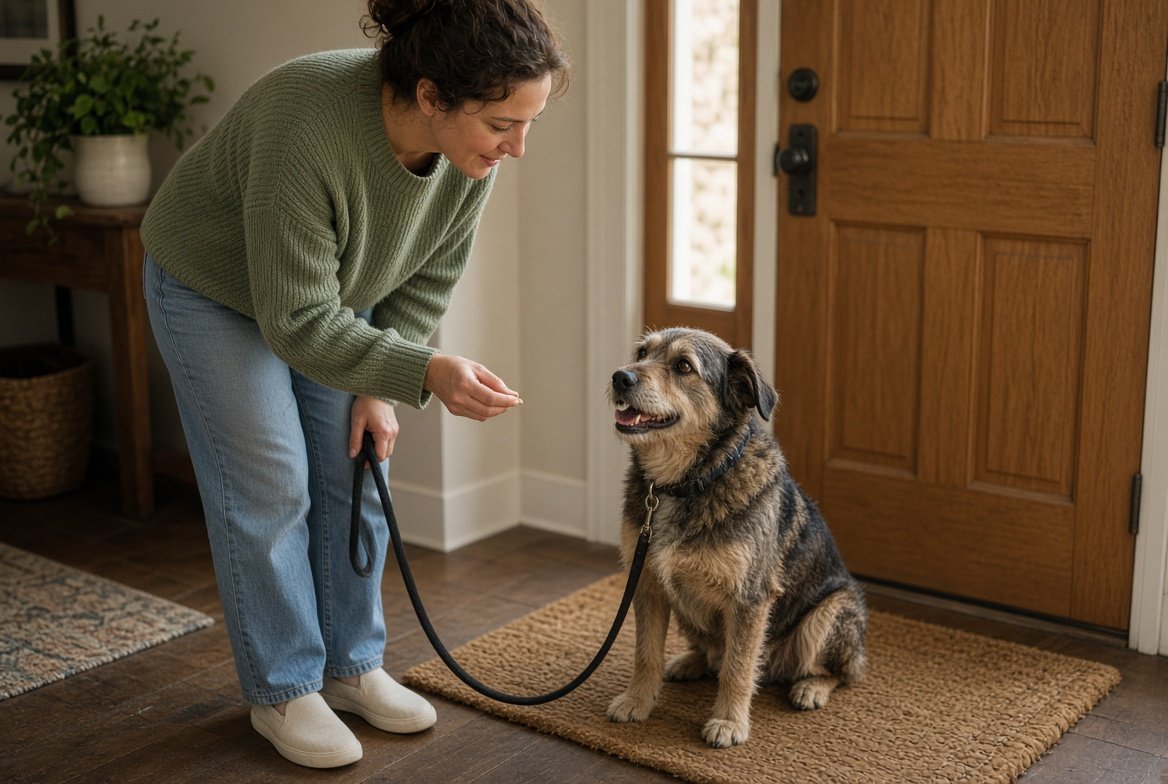
How to Stop Your Dog From Jumping on People
Jumping works because people look at the dog. Turn the hello into a sit, and stop paying the leap.
-
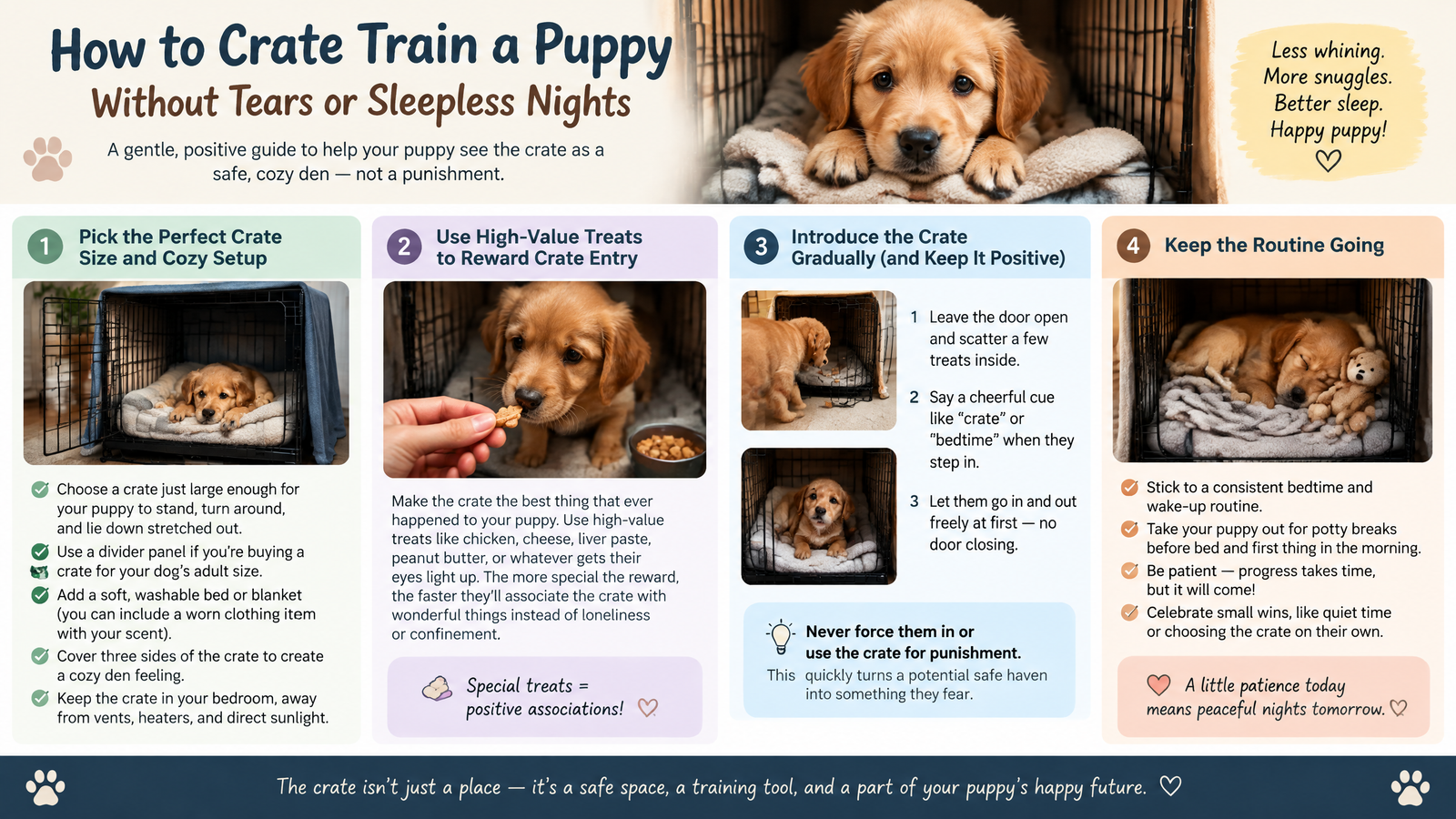
How to Crate Train a Puppy Without Tears or Sleepless Nights
Crate training works when the crate is the right size, the door stays open at first, and night potty trips are boring on purpose.
-
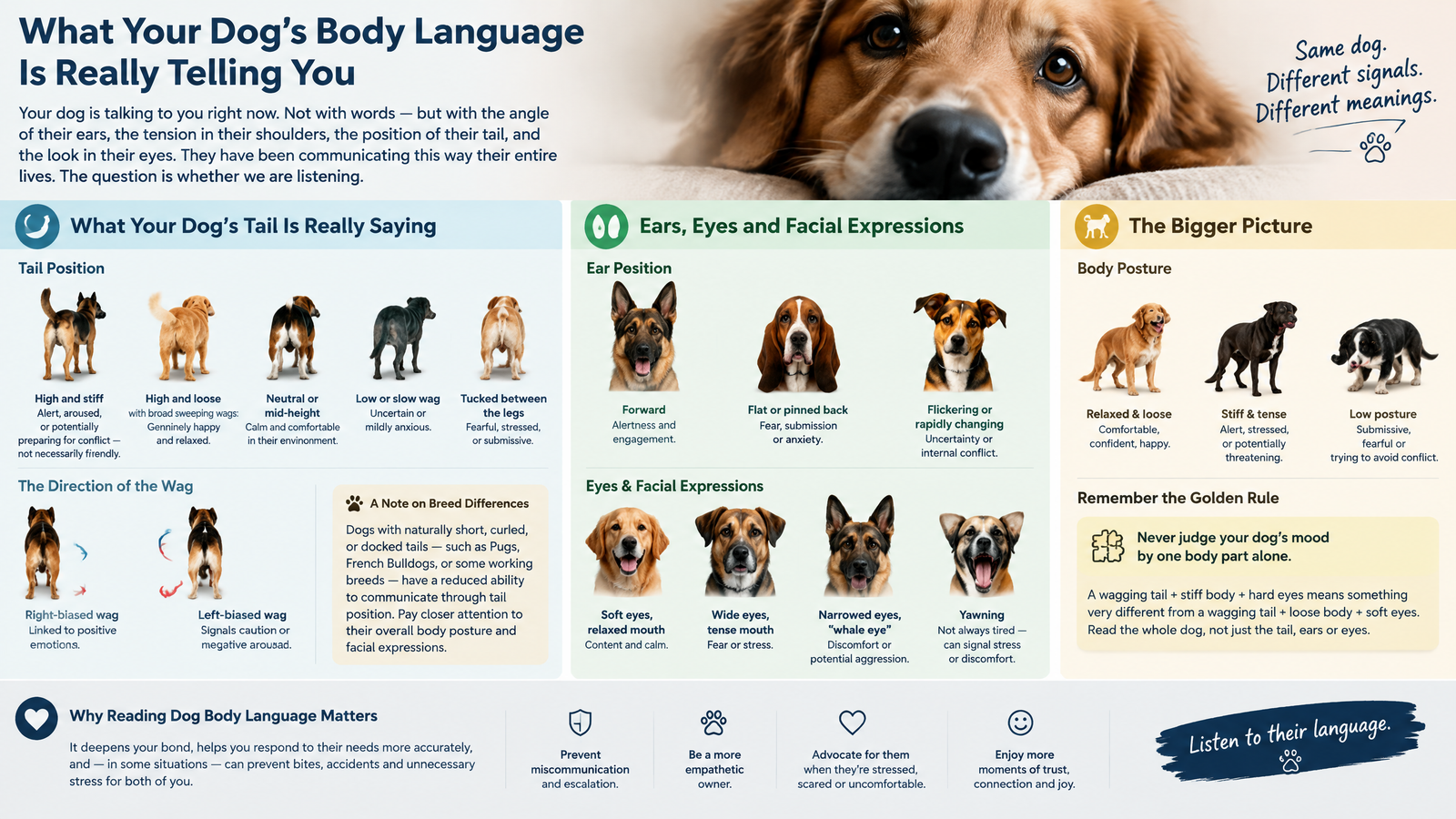
What Your Dog’s Body Language Is Really Telling You
A wag is not always a yes. How to read tail, ears, eyes, and posture together so you stop missing the quiet signals.
Frequently asked questions about training and behavior
How long should a training session last?
Most dogs do well with 3 to 10 minutes at a time. Then take a break, play, or rest. Several short sessions across the day usually beat one long lesson.
What if my dog already has a stubborn habit?
Start by making the unwanted habit less rewarding. Next, teach a clear alternative, such as sitting for greetings instead of jumping. Meanwhile, stay consistent so your pup does not get mixed messages.
When should I get extra help?
Reach out to a qualified trainer or veterinary behavior professional if fear, snapping, or sudden behavior changes appear. These pages are educational and kind, but they are not a substitute for hands-on help when safety is a concern.
Want to know who writes these guides? Visit About Us. If you have a question about your pup, we would love to hear from you on our Contact Us page.