
Every dog owner knows there's something truly special about their furry friend, but have you ever stopped to think about what actually makes dogs unique among all animals on our planet? From their incredible noses that can detect diseases to their expressive faces that seem to understand our every emotion, our canine companions possess a stunning array of traits that set them apart. Whether you're a lifelong dog lover or considering adding a pup to your family, understanding these remarkable characteristics will deepen your appreciation for these amazing animals and help you provide even better care for your four-legged friend.
The Extraordinary Canine Nose
When we talk about what makes dogs unique, we absolutely have to start with their phenomenal sense of smell. Your dog's nose contains up to 300 million olfactory receptors, compared to our measly 6 million. That's a staggering 50 times more smell-detecting power than humans possess!
But the numbers only tell part of the story. The canine brain also dedicates about 40 times more processing power to analyzing scents than our brains do. Research on canine olfaction reveals that dogs can detect odors in concentrations as low as parts per trillion, which explains why they're so valuable in medical detection, search and rescue, and law enforcement work.
How Dogs Use Their Super Noses
Different breeds have developed specialized scenting abilities based on their original purposes:
- Bloodhounds can follow scent trails that are days or even weeks old
- German Shepherds excel at detecting explosives and narcotics
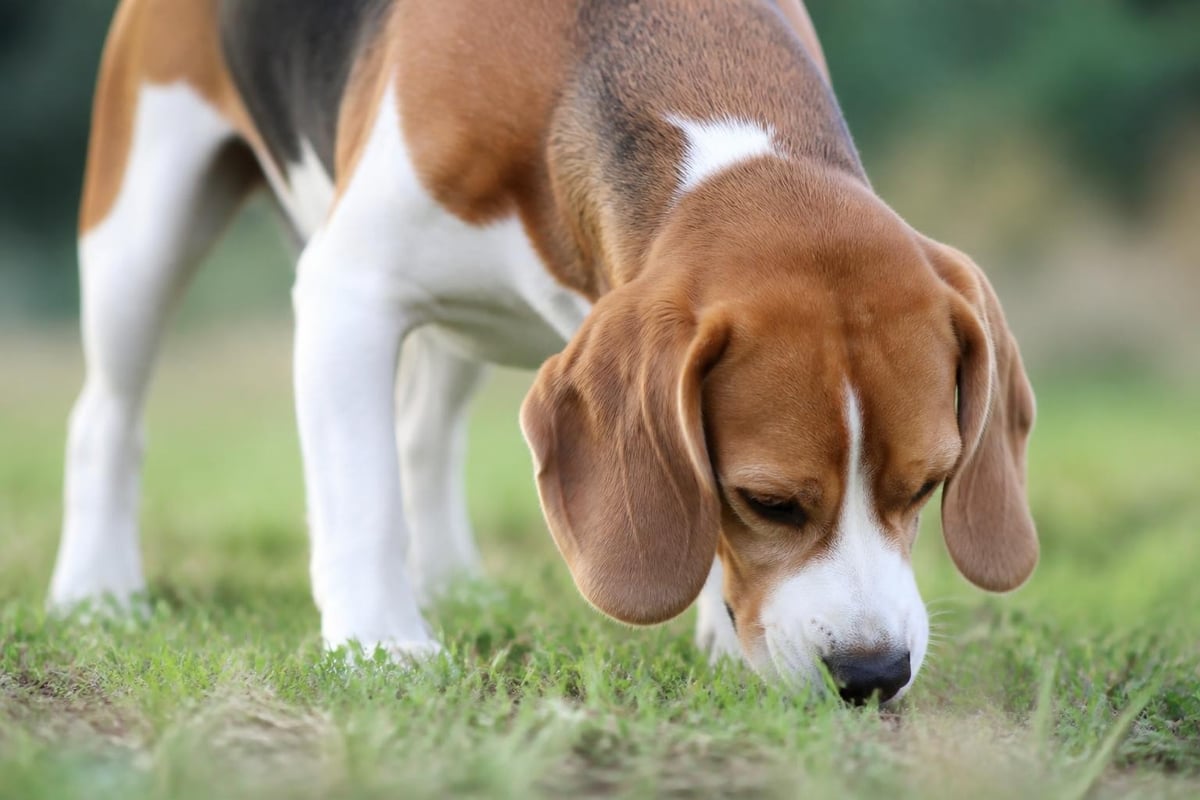
- Beagles are masters at tracking small game and contraband food
- Medical detection dogs can identify cancer, diabetes, and seizures before they happen
This incredible ability impacts how your dog experiences the world. Every walk is a rich tapestry of smells that tells stories you'll never perceive. Understanding what makes dogs unique in their sensory experience helps us appreciate why they need adequate sniffing time during walks and mental stimulation through scent-based games.
Rare Breeds That Showcase Canine Diversity
When exploring what makes dogs unique, the sheer diversity of breeds stands as remarkable evidence. While most of us are familiar with popular breeds like the German Shepherd, there are fascinating rare breeds that showcase just how varied the canine world truly is.
The rarest dog breeds in America include stunning examples like the Norwegian Lundehund, which has six toes on each foot and extraordinary joint flexibility that allowed them to climb cliffs and hunt puffins. The Azawakh, a West African sighthound, can reach speeds up to 40 mph and thrives in extreme heat that would overwhelm most other breeds.
Unique Physical Traits Across Breeds
| Breed | Unique Feature | Original Purpose |
|---|---|---|
| Xoloitzcuintli | Completely hairless skin | Ancient Mexican companion |
| Bergamasco Sheepdog | Matted coat forming "flocks" | Alpine herding |
| Catalburun | Split or double nose | Turkish bird hunting |
| Tibetan Mastiff | Massive size (up to 160 lbs) | Himalayan livestock guardian |
These rare breeds you’ve never heard of demonstrate nature's incredible ability to adapt dogs for specific environments and jobs. Each breed's unique characteristics emerged from centuries of selective breeding for particular tasks, climates, or companionship roles.
Genetic Diversity and Coat Variations
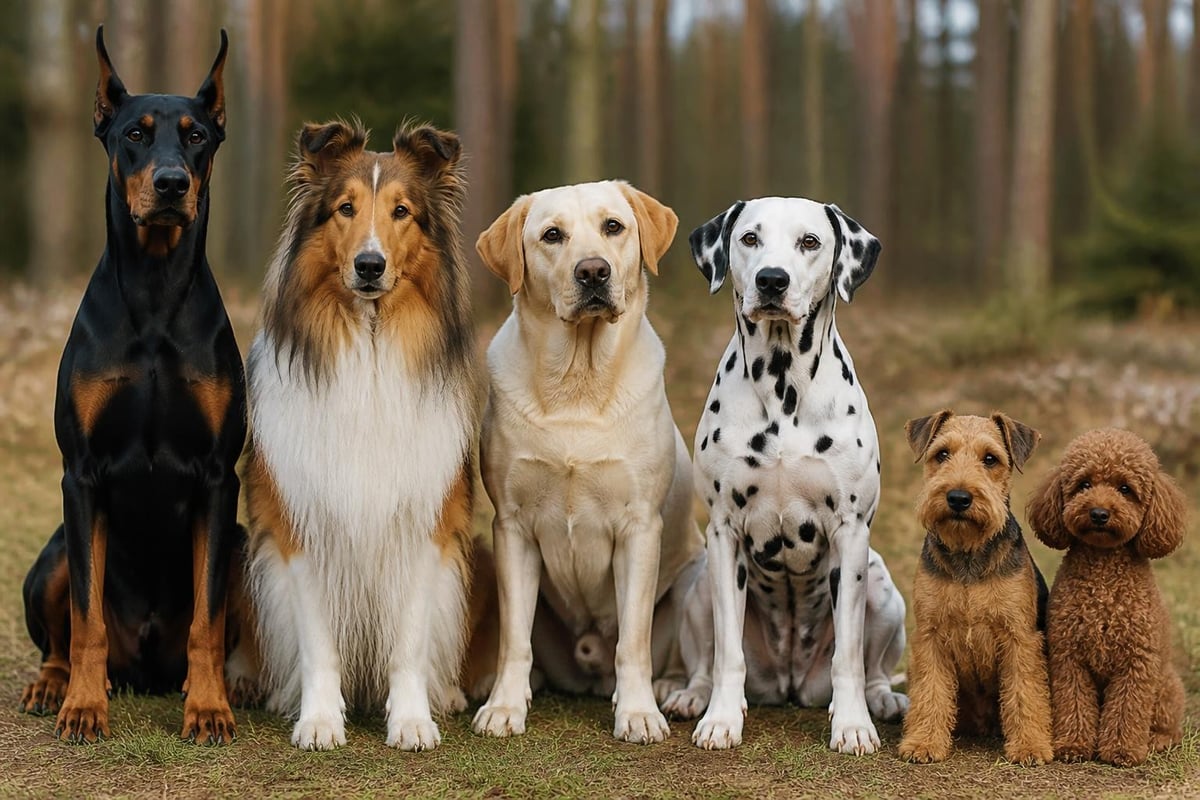
What makes dogs unique on a genetic level is equally fascinating. The domestic dog (Canis familiaris) displays more physical variation than any other mammal species. From the tiny 2-pound Chihuahua to the 200-pound English Mastiff, dogs show an astonishing range that scientists continue to study.
Research into coat variation genetics has identified specific genes responsible for everything from curly versus straight hair to color patterns and even hairlessness. Just three genes control most coat length variations, while color patterns involve complex interactions between multiple genetic locations.
This genetic flexibility means we see:
- Over 400 recognized breeds worldwide
- Countless color combinations and patterns
- Coat types ranging from hairless to corded to double-coated
- Size variations spanning over 100-fold in weight
Understanding these genetic foundations helps explain why proper grooming varies so dramatically between breeds. A Poodle's continuously growing coat requires completely different maintenance than a Labrador's water-resistant double coat. Knowing your dog's genetic background informs better grooming practices and health care decisions.
Communication Skills That Bridge Species
One aspect that makes dogs unique among domesticated animals is their exceptional ability to read and respond to human communication cues. After thousands of years living alongside humans, dogs have developed skills that even our closest primate relatives don't possess.
Reading Human Gestures
Studies consistently show that dogs can:
- Follow pointing gestures to find hidden food
- Interpret human gaze direction
- Recognize facial expressions and emotional states
- Respond to verbal tone even without understanding specific words
- Make eye contact in ways wolves never do
Your dog doesn't just respond to your commands-they're actually reading your body language, facial expressions, and even your emotional state. This is why understanding dog body language creates such powerful two-way communication.
Dogs have evolved specific facial muscles that wolves lack, particularly around the eyes. These muscles allow dogs to make those irresistible "puppy dog eyes" that tug at our heartstrings. This adaptation likely occurred because dogs who could better communicate with humans received more care and resources, passing these traits to their offspring.
Behavioral Diversity Rooted in Genetics
What makes dogs unique behaviorally goes far beyond training. Large-scale genomic studies have identified genetic foundations for breed-specific behaviors, explaining why Border Collies instinctively herd, Pointers freeze when they detect game, and Retrievers naturally carry objects in their mouths.
These hardwired behaviors emerged through selective breeding:
- Herding breeds were developed to manage livestock with minimal human direction
- Scent hounds were bred to follow trails independently and vocalize when they find their target
- Guard dogs naturally protect their territory and family without extensive training
- Companion breeds were selected specifically for their desire to stay close to humans
Understanding your dog's genetic predispositions helps you provide appropriate mental and physical stimulation. A working breed like a Border Collie needs far more mental challenges than a laid-back Bulldog. This knowledge guides effective training approaches tailored to your dog's natural inclinations.
The Social Intelligence Factor
Dogs possess a level of social intelligence that makes them unique even among highly social species. They've mastered the art of living in both canine pack structures and human family units, adapting their behavior based on context.
Pack Mentality Meets Family Dynamics
Your dog views your household as their pack, but unlike wolves, they've learned to accept humans as pack leaders. This flexibility demonstrates remarkable cognitive adaptation. Dogs can:
- Recognize individual humans and remember them for years
- Adjust their behavior based on which family member they're with
- Show empathy when humans are distressed
- Cooperate with humans on tasks in ways that require understanding shared goals
- Learn from observing both other dogs and humans
This social flexibility explains why dogs integrate so seamlessly into diverse family structures. Whether you live alone, have children, or share your home with multiple pets, dogs adapt to the social environment you provide. However, this also means they need proper socialization to develop these skills fully.
Physical Adaptations for Human Partnership
Beyond behavior and intelligence, what makes dogs unique includes physical adaptations specifically suited to working with humans. These evolutionary changes distinguish dogs from their wolf ancestors in subtle but significant ways.
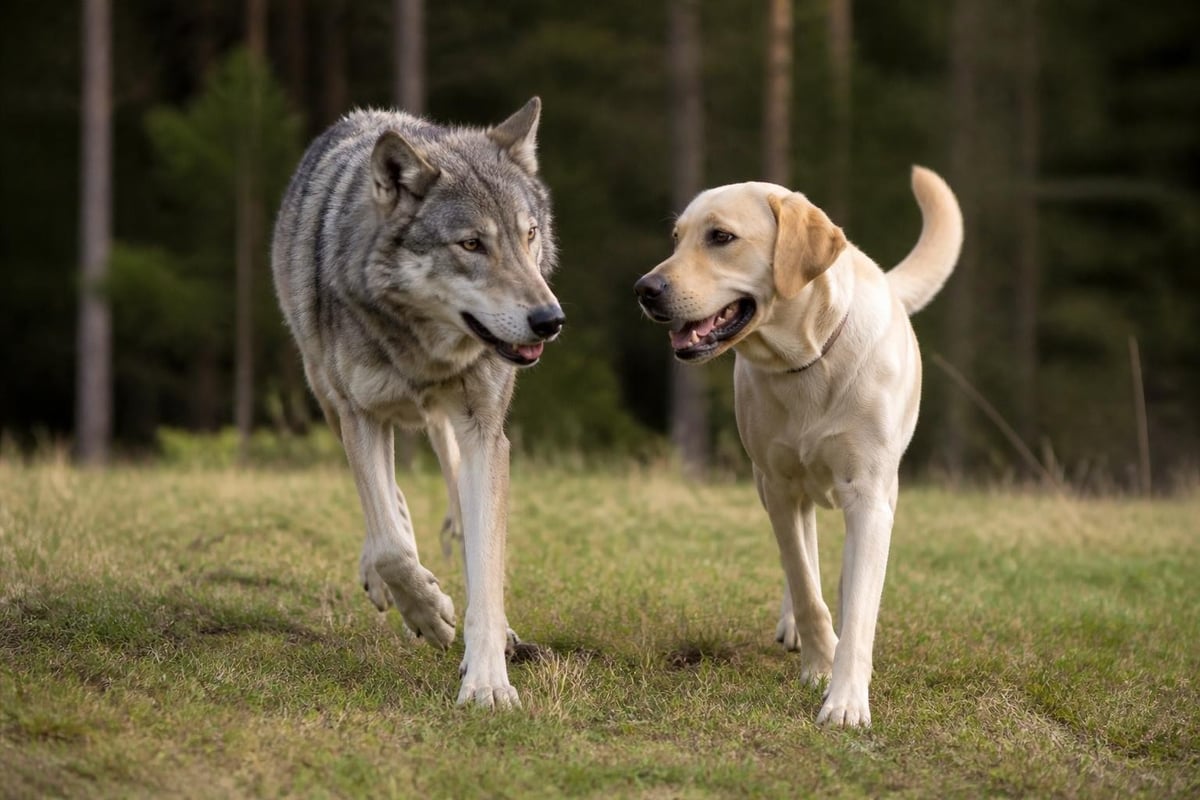
Digestive System Evolution: Unlike wolves, dogs have developed enzymes that efficiently digest starches. This adaptation occurred as dogs began eating human food scraps, allowing them to thrive on a more varied diet than their carnivorous ancestors.
Sleep Patterns: Dogs are crepuscular (most active at dawn and dusk) but have adapted to match human schedules. They can adjust their sleep-wake cycles to sync with their owners, something few animals can do. This flexibility strengthens the human-dog bond and makes them ideal companions.
| Physical Trait | Dogs | Wolves | Benefit for Human Partnership |
|---|---|---|---|
| Starch digestion | Efficient | Limited | Can eat human food |
| Bark frequency | High | Low | Better communication |
| Eye contact | Comfortable | Threatening | Enhances bonding |
| Physical maturity | Variable | Uniform | Breeds for different tasks |
Specialized Working Abilities
What makes dogs unique in the animal kingdom includes their unmatched versatility as working partners. No other species performs such a diverse array of jobs alongside humans.
Modern Working Roles
Today's working dogs perform tasks that showcase their unique abilities:
- Service dogs assist people with disabilities, performing tasks from opening doors to detecting medical emergencies
- Therapy dogs provide emotional support in hospitals, schools, and disaster areas
- Search and rescue dogs locate missing persons in wilderness, urban disasters, and avalanches
- Detection dogs find everything from drugs and explosives to agricultural pests and invasive species
- Livestock guardians protect flocks from predators without harming the animals they guard
Each of these roles leverages different aspects of what makes dogs unique: their noses, their trainability, their desire to work with humans, or their natural protective instincts. Some dogs even perform multiple roles throughout their lives, demonstrating remarkable adaptability.
The Longevity and Health Spectrum
Size variations in dogs create unique health considerations that don't exist in other species. Giant breeds like Great Danes often live only 7-8 years, while small breeds like Chihuahuas commonly reach 15-18 years. This inverse relationship between size and lifespan is more extreme in dogs than any other mammal.
Understanding breed-specific health concerns helps you provide better preventive care:
- Brachycephalic breeds (flat-faced dogs) need special attention to breathing and temperature regulation
- Deep-chested breeds face higher risks of bloat, a life-threatening emergency
- Small breeds often experience dental issues requiring regular teeth brushing
- Large breeds are prone to joint problems that benefit from weight management
By understanding what makes dogs unique in their health needs, you can partner with your veterinarian to create preventive care plans tailored to your specific dog.
Frequently Asked Questions
What makes dogs unique compared to other pets?
Dogs possess an unmatched combination of trainability, social intelligence, and desire to work cooperatively with humans. Their ability to read human gestures and emotions, combined with their diverse working abilities, sets them apart from all other domesticated animals. No other species has been bred into such varied forms for so many different purposes.
Are certain dog breeds more unique than others?
Every breed has unique characteristics, but some stand out for extreme specializations. Breeds like the Norwegian Lundehund with extra toes, hairless breeds like the Xoloitzcuintli, or the massive Tibetan Mastiff showcase dramatic variations. However, even common breeds possess unique genetic and behavioral traits that make them special.
How did dogs develop such unique traits?
Dogs developed their unique traits through thousands of years of selective breeding by humans and natural adaptation to living alongside people. Genetic changes accumulated as humans bred dogs for specific tasks, while dogs that could better communicate with humans received better care and passed these traits to offspring.
What's the most unique thing about a dog's sense of smell?
The most remarkable aspect is not just sensitivity but discriminatory power. Dogs can detect individual scent components within complex mixtures and can track how scent changes over time. This allows them to follow trails, detect diseases, and identify specific substances even when masked by other strong odors.
How can I identify what makes my dog unique?
Observe your dog's breed characteristics, individual personality, and natural inclinations. Research your dog's breed background using resources like breed-finding tools to understand genetic predispositions. Notice what activities your dog naturally gravitates toward, as this reveals their unique strengths and interests.
Understanding what makes dogs unique enhances every aspect of the relationship you share with your canine companion. From their incredible noses to their specialized abilities and genetic diversity, these remarkable animals continue to amaze us with their adaptability and devotion. At Dog Care Guide, we're passionate about helping you celebrate and nurture your dog's unique qualities through practical grooming tips, training guidance, and health advice tailored to your furry friend's individual needs. Let us help you give your dog the specialized care they deserve!