
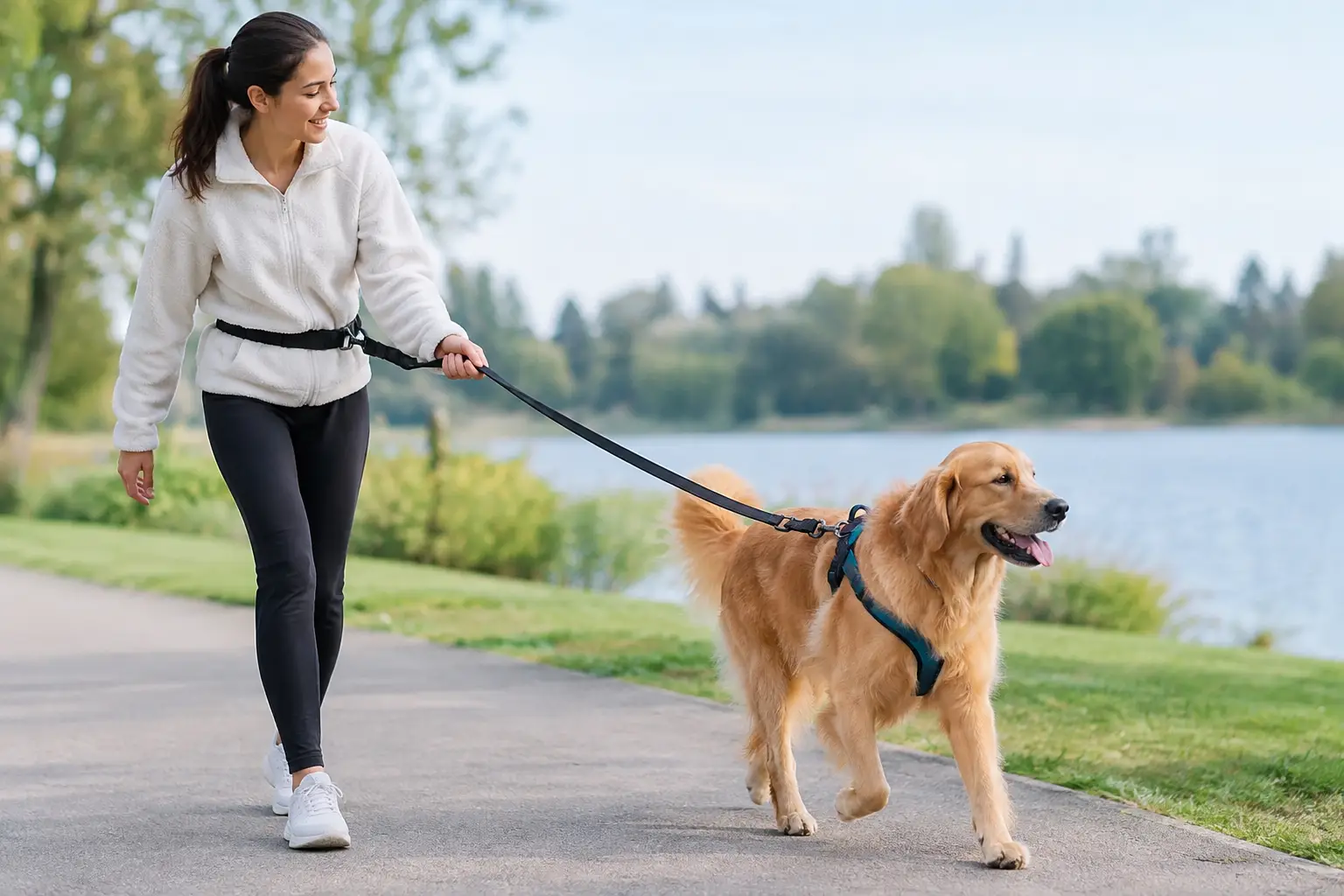
Your arm is stretched, your coffee is sloshing, and your dog is determined to reach the next tree before you do. If you are wondering how to stop leash pulling, you are not alone. Pulling is one of the most common walking challenges, and it does not mean your furry best friend is stubborn or trying to be in charge. It usually means the world outside is exciting, your dog has learned that pulling gets them where they want to go, or the walk is moving faster than their self-control can keep up with.
The good news is that loose-leash walking can be taught with patience, clear routines, and plenty of rewards. Your goal is not a perfect heel for every second of every walk. It is a dog who can move through the world with you safely, comfortably, and with a relaxed leash more often than not.
Why Dogs Pull on the Leash
Dogs naturally move faster than people, especially when there are squirrels, scents, neighbors, and other dogs nearby. For many pups, pulling works: they pull toward a fire hydrant, and eventually they get to sniff it. That accidental reward can make the habit stronger every day.
Some dogs pull because they are bursting with energy. Others are anxious, reactive, or overstimulated by a busy environment. A young puppy may simply not understand what the leash means yet. The best approach depends on the reason behind the behavior, which is why calm observation matters before you begin training.
A tight leash can also create more tension for both of you. Your dog may feel restrained and push harder, while you brace yourself and pull back. Gentle training helps interrupt that cycle without turning walks into a battle.
Start With the Right Walking Setup
Training is easier when your equipment supports kind, safe handling. A well-fitted front-clip harness is often a helpful choice for dogs who pull because it redirects their body slightly toward you when they surge ahead. A standard flat collar can work for dogs that already walk politely, but repeated pressure on the neck is not ideal for a strong puller.
Choose a regular leash that is about 4 to 6 feet long. Retractable leashes can make training harder because they teach dogs that steady pressure on the leash leads to more freedom. Save extra-long lines for controlled sniffing time in safe open areas, rather than using them for sidewalk practice.
Avoid tools designed to cause discomfort or fear, including choke, prong, and shock collars. They may suppress behavior in the moment, but they do not teach your dog what you want them to do instead. For dogs who are fearful or reactive, painful corrections can also worsen the emotions driving the behavior.
Before each walk, check that the harness fits snugly enough that your dog cannot slip out, while still allowing comfortable shoulder movement. If your dog suddenly begins pulling more than usual or seems sore when the harness is on, schedule a veterinary checkup. Pain, vision changes, or other health concerns can affect walking behavior.
Teach Your Dog That Staying Close Pays
The heart of loose-leash training is simple: your dog learns that walking near you makes good things happen. Begin indoors or in a quiet yard, where there is less competition from exciting smells and movement.
Hold a few small, soft treats at your side. When your dog looks at you, steps toward you, or happens to stand beside you with a loose leash, mark that moment with a cheerful yes and offer a treat near your leg. This helps your pup understand exactly where the reward zone is.
Take one or two steps. If your dog stays with you, reward again. Keep the early sessions short enough for success, perhaps two to five minutes. You are building a skill, not testing endurance.
It can help to choose one side for your dog to walk on during practice, but there is no need to insist on formal obedience precision. A relaxed leash and a dog who checks in with you are far more useful for everyday family walks than a rigid position.
Use real-life rewards, not treats alone
Treats are powerful teaching tools, but the outdoors offers rewards your dog may value even more. Sniffing grass, greeting a familiar neighbor, or moving toward a favorite tree can all become rewards for a loose leash.
Try this pattern: ask for a few steps on a slack leash, then say go sniff and walk with your dog to the interesting spot. Your pup learns that staying connected to you does not end the fun. It is the path to the fun.
What to Do the Moment Your Dog Pulls
When the leash tightens, stop moving. Stay quiet and steady rather than jerking your dog backward or repeating commands. The moment your dog turns back, softens the leash, or takes even one step toward you, praise warmly and continue walking.
At first, you may stop often. That is normal. Your dog is learning that pulling no longer moves the walk forward, while a loose leash does. Consistency matters more than speed.
For dogs who forge ahead intensely, calmly change direction instead. Say something friendly such as this way, turn, and reward your dog when they catch up beside you. This keeps the lesson active and can prevent you from getting stuck beside one tempting patch of grass for several minutes.
Do not expect your dog to perform beautifully in a crowded park before they can succeed on a quiet block. If pulling returns in a harder setting, it is not defiance. It is useful information that the environment is currently too challenging. Create more distance from distractions, shorten the walk, or return to an easier practice area.
How to Stop Leash Pulling on Real Walks
A training session and a daily walk can be the same outing, but it helps to give your dog clear expectations. Start with a few focused minutes near home, rewarding check-ins and loose-leash steps. Then build in a decompression portion where your dog can sniff at a slower pace on a longer leash in a safe space.
This balance is especially helpful for energetic dogs. A walk should not feel like a constant stream of commands. Sniffing is enriching, calming, and mentally tiring. When dogs get appropriate opportunities to explore, they may find it easier to cooperate during the more structured portions of the outing.
Keep rewards frequent when you are working near triggers. If your dog notices another dog across the street and looks back at you, offer a treat before the leash tightens. This teaches your pup that checking in is rewarding and gives you time to create distance if needed.
If your dog lunges, barks, freezes, or spins at people, dogs, bikes, or cars, leash pulling may be part of a bigger fear or reactivity concern. Do not force close greetings or punish the reaction. Work at a distance where your dog can still take treats and respond to you, and consider a credentialed, reward-based trainer for tailored support.
Build Skills Between Walks
A dog with a full tank of energy may struggle to learn on the sidewalk. Short play sessions, food puzzles, scent games, and basic training at home can take the edge off before you clip on the leash. For some dogs, a few minutes of tug or a scatter of kibble in the yard makes the next walk noticeably calmer.
Practice attention games indoors, too. Say your dog’s name once, reward eye contact, then release them to continue what they were doing. You can also reward your dog for choosing to come to your side. These small moments strengthen the habit of checking in without the pressure of a busy street.
Every family member who walks the dog should use the same general plan. If one person allows pulling to reach every exciting smell while another stops consistently, progress will take longer. You do not need identical words or perfect timing, but your dog benefits when the rule stays clear: a loose leash gets us moving.
Be Patient With Progress
Some dogs show improvement within a few days, while others need several weeks of steady practice. Age, breed tendencies, past experience, energy level, and the walking environment all play a role. A scent-driven hound may need more sniff breaks than a dog who naturally stays close, and an adolescent dog may temporarily seem to forget skills they knew last month.
Celebrate the small wins: one calm driveway, a quick check-in near a distraction, or a leash that stays loose for five extra steps. Those moments add up. With calm handling and plenty of reasons to choose you, your pup can learn that walking together is not a tug-of-war – it is one of the happiest parts of the day.