
We all want our dogs to feel safe, loved, and understood. That's where the concept of "dog gentle" comes into play-a mindset and set of practices that prioritize kindness, patience, and respect in every interaction with our furry friends. Whether you're teaching a new puppy basic commands, helping a rescue dog adjust to their new home, or managing behavior challenges, a gentle approach creates stronger bonds and better outcomes. When we embrace dog gentle methods, we're not just training our pets-we're building trust that lasts a lifetime. Let's explore how gentle care and training transform the relationship between you and your canine companion.
Understanding the Dog Gentle Philosophy
The dog gentle philosophy centers on one simple truth: dogs learn best when they feel safe and motivated, not scared or pressured. This approach recognizes that our dogs are sentient beings with emotions, preferences, and individual personalities. When we commit to gentle methods, we're choosing to see training and care through our dog's eyes.
Modern veterinary behaviorists and trainers increasingly advocate for reward-based, force-free methods because research consistently shows these techniques produce better long-term results. According to the American Veterinary Society of Animal Behavior’s position statement on humane dog training, punishment-based methods can create fear, anxiety, and even aggression, while positive reinforcement builds confident, well-adjusted dogs.
Why Gentle Methods Work Better
Dog gentle training aligns with how dogs naturally learn. Dogs repeat behaviors that bring them good things and avoid behaviors that bring unpleasant consequences. By focusing on rewarding what we want rather than punishing what we don't, we give our dogs clear information in a language they understand.
Here's what makes gentle methods so effective:
- Builds trust and strengthens your bond
- Reduces stress and anxiety for both dog and owner
- Creates enthusiasm for learning and cooperation
- Prevents fear-based behavioral problems
- Improves overall welfare and quality of life
Research comparing different training approaches has demonstrated clear welfare benefits of gentle methods. A study published in PLOS ONE found that dogs trained with aversive tools showed more stress-related behaviors than those trained with reward-based methods, highlighting why dog gentle approaches are essential for canine welfare.
Core Principles of Dog Gentle Training
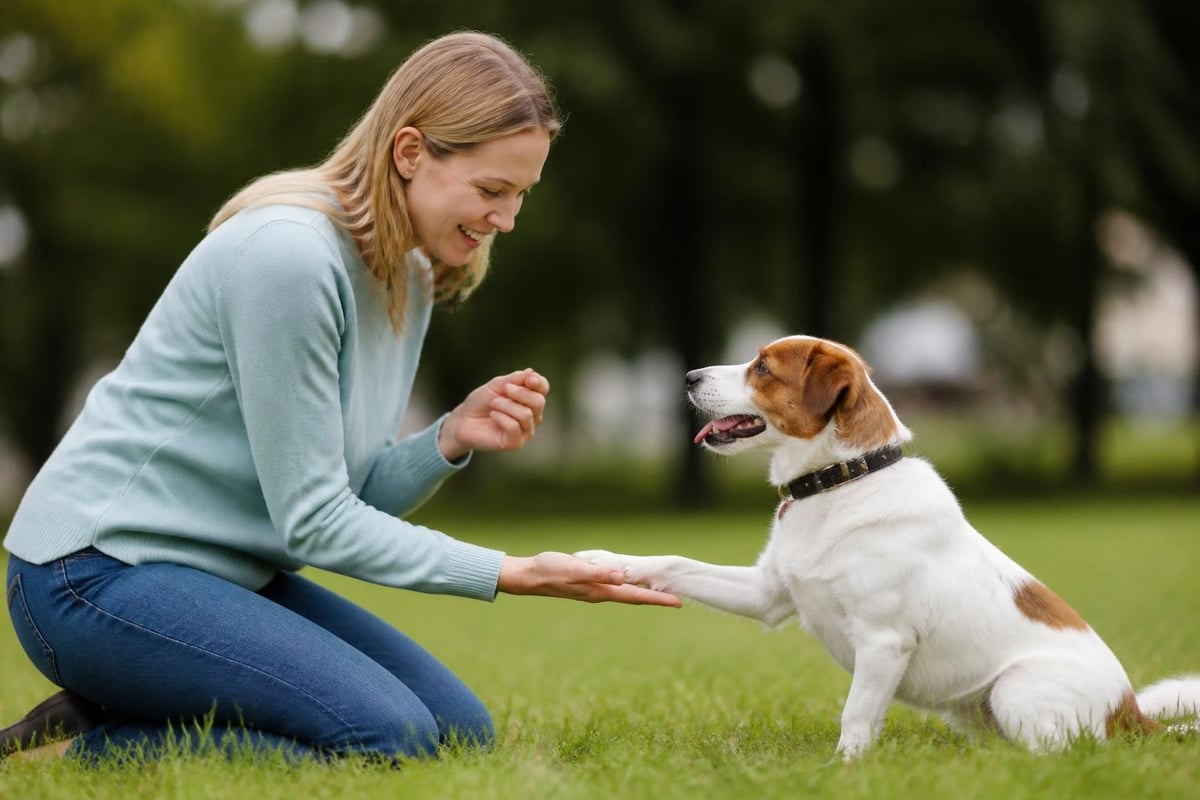
Implementing dog gentle methods doesn't mean you lack structure or boundaries. It means you enforce those boundaries with kindness rather than force. Professional trainers who embrace the LIMA (Least Intrusive, Minimally Aversive) approach understand that effective training starts with the gentlest possible intervention.
Positive Reinforcement First
At the heart of dog gentle training is positive reinforcement-rewarding behaviors you want to see more often. This can include treats, praise, toys, play, or anything your individual dog finds rewarding. The timing is crucial: reward within 1-2 seconds of the desired behavior so your dog makes the connection.
When teaching "sit," for example, you might:
- Hold a treat near your dog's nose
- Slowly move it up and back over their head
- As their bottom touches the ground, immediately say "yes!" and give the treat
- Repeat several times in short sessions
- Gradually add the verbal cue "sit" once they reliably perform the action
Patience and Consistency
Dog gentle methods require us to slow down and meet our dogs where they are. Some dogs learn quickly; others need more repetition. Different breeds may have varying learning speeds and motivations, but all dogs benefit from patient, consistent teaching.
Consistency means everyone in the household uses the same cues and rewards the same behaviors. If one person allows jumping while another discourages it, you'll confuse your dog and slow progress. Create a family training plan that everyone follows.
Management and Prevention
A key aspect of dog gentle care is setting your dog up for success by managing their environment. If your dog counter-surfs, don't leave food on the counter. If they're anxious around strangers, don't force interactions. Prevention stops unwanted behaviors before they become habits.
| Challenging Behavior | Gentle Management Strategy |
|---|---|
| Jumping on guests | Keep dog in another room initially, reward calm behavior before greeting |
| Stealing food | Remove temptation, teach "leave it," reward for ignoring food |
| Pulling on leash | Stop walking when leash tightens, reward walking beside you |
| Barking at window | Block visual access, redirect to a toy, reward quiet behavior |
Implementing Dog Gentle Care in Daily Routines
Beyond formal training sessions, dog gentle principles should infuse every aspect of how we care for our companions. From grooming to veterinary visits, gentle handling creates positive associations and reduces stress.
Gentle Grooming Practices
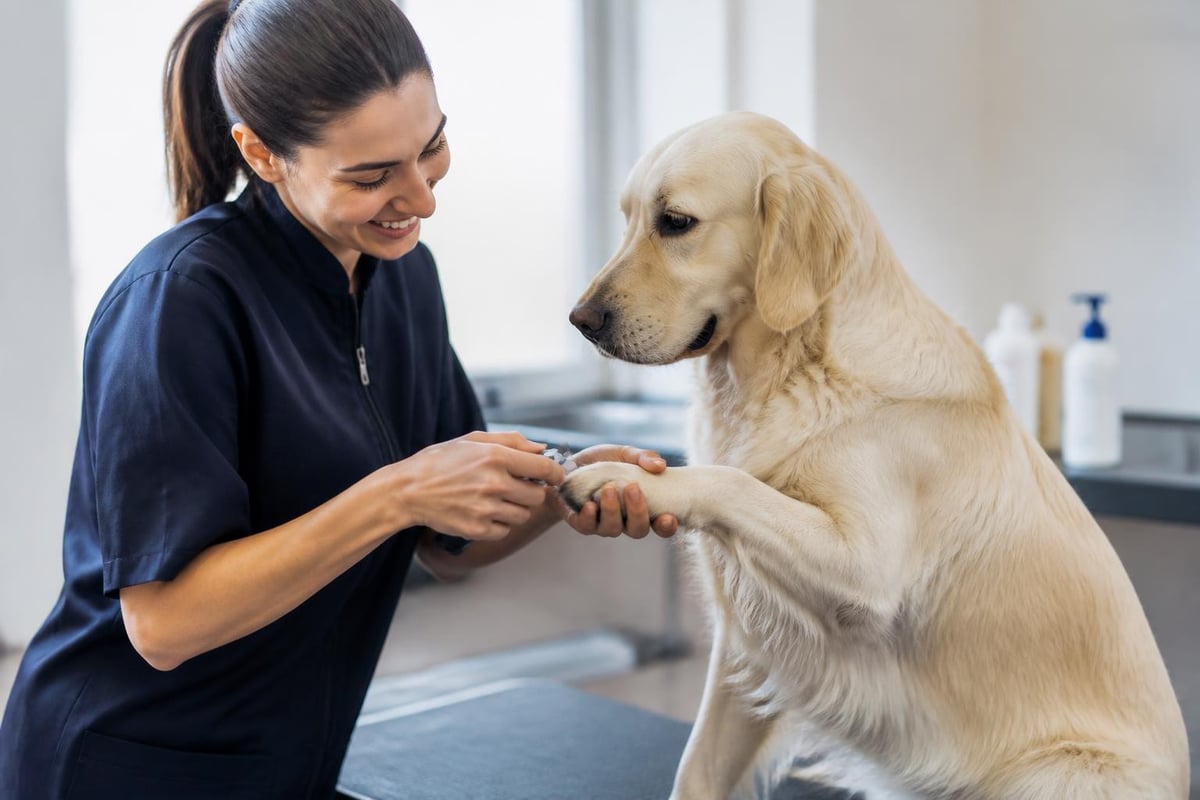
Many dogs feel anxious during grooming, but we can change that with patience and positive associations. Start by touching your dog gently for just a few seconds, then immediately offer a high-value treat. Gradually increase the duration and introduce grooming tools slowly.
For nail trimming, one of the most stressful grooming tasks:
- Let your dog sniff and investigate the clippers
- Touch their paw briefly, then treat
- Apply gentle pressure to one nail (without cutting), then treat
- Trim just the tip of one nail, then have a party with treats and praise
- Build up gradually over days or weeks
Never rush the process. If your dog shows signs of stress (pulling away, whale eye, lip licking), slow down and return to an easier step. This patient approach prevents grooming from becoming a battle.
Calm Handling During Health Care
Veterinary visits and health care at home can be stressful, but dog gentle techniques make them manageable. The ASPCA’s resources on behavior issues emphasize how gentle handling during stressful situations prevents fear-based reactions.
Practice cooperative care exercises at home:
- Touch your dog's ears, then treat
- Look at their teeth, then treat
- Hold their paw gently, then treat
- Practice "chin rest" where your dog rests their chin on your hand for examination
These exercises teach your dog that handling predicts good things, making actual medical care less stressful for everyone involved.
Dog Gentle Approaches for Common Challenges
Every dog owner faces behavioral challenges at some point. The difference lies in how we respond. Dog gentle methods provide effective solutions without damaging the trust we've built with our pets.
Addressing Anxiety and Fearfulness
Fearful or anxious dogs especially benefit from gentle approaches. Forcing a scared dog into frightening situations (called "flooding") can worsen fear and create lasting trauma. Instead, use gradual desensitization and counter-conditioning.
If your dog fears thunderstorms:
- Desensitization: Play recorded storm sounds at very low volume while doing fun activities
- Counter-conditioning: Pair the sound with special treats or favorite games
- Gradual increase: Very slowly increase volume over weeks or months
- Never force: If your dog shows stress, lower the intensity
For rescue dogs adjusting to new homes, the RSPCA’s guidance for rescue dogs offers practical, welfare-focused tips for creating calm, supportive environments that help anxious dogs thrive.
Managing Overexcitement
Dogs who jump, bark excessively, or zoom around frantically aren't being "bad"-they're often overstimulated or haven't learned self-regulation. Dog gentle methods teach calm behavior without suppression or punishment.
Teaching calmness:
- Reward your dog whenever they're lying down quietly
- Create a "calm protocol" where you gradually increase duration of relaxed behavior
- Provide adequate mental and physical exercise to prevent pent-up energy
- Teach "settle" on a mat as a default behavior
The Humane Society’s practical training tips emphasize short, effective sessions that prevent frustration and maintain enthusiasm-essential elements of dog gentle training.
Working with Resource Guarding
Resource guarding-when dogs growl, stiffen, or snap when someone approaches their food, toys, or space-is a serious issue that requires a gentle, thoughtful approach. Punishment makes guarding worse by confirming the dog's fear that people steal valuable things.
Instead, teach your dog that human approach predicts even better things:
- Walk past the dog eating, drop a high-value treat in their bowl, and walk away
- Gradually decrease distance as your dog shows relaxed body language
- Trade items rather than simply taking them
- Never corner or force a guarding dog
For severe cases, consult with a force-free professional. The IAABC Foundation’s resources on compassionate behavior consulting provide evidence-based guidance for handling complex behavioral challenges safely.
Science Supporting Dog Gentle Methods
Understanding the research behind gentle training helps us make informed decisions about how we interact with our dogs. The scientific community has produced compelling evidence supporting reward-based methods over aversive techniques.
What Research Tells Us
Professional trainers themselves recognize the importance of gentle approaches. A recent qualitative study of professional dog trainers explored practitioners' perspectives on training methods and ethics, revealing growing consensus around humane, evidence-based techniques.
Key research findings include:
- Dogs trained with positive methods show fewer stress behaviors
- Punishment-based training correlates with increased aggression
- Reward-based methods are equally or more effective for obedience
- Gentle training improves the human-animal bond
- Force-free approaches have better long-term retention
This body of evidence gives us confidence that choosing dog gentle methods isn't about being "soft"-it's about being smart, effective, and ethical.
Understanding Canine Communication
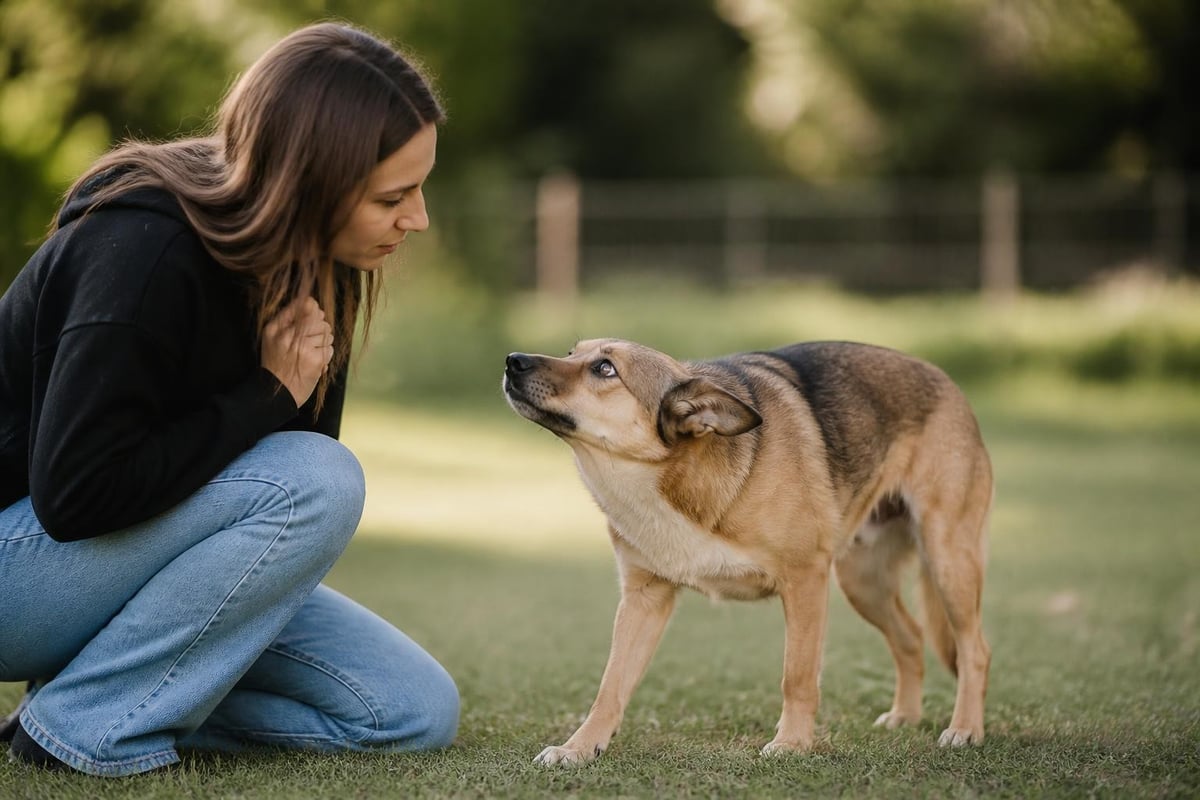
Part of being dog gentle involves learning to read and respect canine body language. Dogs communicate constantly through subtle signals, and honoring those signals prevents stress and conflict.
| Body Language Signal | What It Means | Gentle Response |
|---|---|---|
| Lip licking, yawning | Mild stress or discomfort | Reduce pressure, give space |
| Whale eye (showing whites) | Anxiety or resource guarding | Back away, don't approach |
| Play bow | Invitation to play | Engage appropriately or redirect |
| Loose, wiggling body | Relaxed and happy | Continue current interaction |
| Stiff, frozen posture | High stress, potential precursor to aggression | Create distance, remove stressor |
When we respond appropriately to these signals, we show our dogs we're listening-a fundamental aspect of dog gentle philosophy.
Practical Dog Gentle Training Sessions
Successful dog gentle training sessions are short, fun, and productive. The goal is to end each session with your dog wanting more, not exhausted or frustrated. Here's how to structure effective gentle training.
Session Structure
Keep training sessions brief-5 to 10 minutes for most dogs, even shorter for puppies or easily distracted dogs. Multiple short sessions throughout the day beat one long marathon session.
Before you start:
- Choose a low-distraction environment initially
- Have plenty of small, soft treats ready
- Bring your positive energy and patience
- Know exactly what behavior you're teaching
- Have a plan for gradually increasing difficulty
During the session, maintain a 80-20 ratio: your dog should succeed about 80% of the time. If they're struggling, make the task easier. Success builds confidence and enthusiasm.
Troubleshooting with Kindness
When training stalls, dog gentle methods ask us to examine what we might change rather than blaming the dog. Consider these factors:
- Are treats high-value enough for the difficulty level?
- Is the environment too distracting?
- Have you broken the behavior into small enough steps?
- Is your timing precise?
- Does your dog understand what you're asking?
- Are you training when your dog is tired or stressed?
Sometimes the kindest thing you can do is simply end the session early, take a break, and try again later with a fresh perspective.
Creating a Dog Gentle Household
Dog gentle principles extend beyond training into how we structure our homes and daily lives. Creating an environment that supports your dog's natural needs reduces stress and prevents problems before they start.
Environmental Enrichment
Mental stimulation is just as important as physical exercise for a well-balanced dog. Enrichment activities engage your dog's brain and satisfy natural behaviors in appropriate ways.
Gentle enrichment ideas:
- Scatter feeding (tossing kibble in grass for sniffing and foraging)
- Puzzle toys that release treats gradually
- Snuffle mats that hide food in fabric strips
- Frozen Kong toys stuffed with dog-safe foods
- Cardboard boxes to shred (supervised)
- Rotating toys to maintain novelty
These activities let dogs express natural behaviors like sniffing, chewing, and problem-solving without frustration or overstimulation.
Establishing Gentle Routines
Dogs thrive on predictability. Consistent routines reduce anxiety and help dogs feel secure. When you're predictable about meals, walks, play, and rest times, your dog can relax knowing their needs will be met.
Your daily routine might include:
- Morning walk and bathroom break
- Breakfast after the walk settles
- Midday enrichment activity or training session
- Afternoon exercise or playtime
- Evening meal and quiet time
- Final bathroom break before bed
Adjust based on your dog's age, breed, and individual needs, but maintain consistency once you establish a schedule.
Frequently Asked Questions
What does dog gentle training mean?
Dog gentle training refers to reward-based, force-free methods that prioritize a dog's emotional welfare while teaching desired behaviors. It focuses on positive reinforcement, patience, and respecting canine communication rather than using punishment, intimidation, or aversive tools. This approach builds trust and creates enthusiastic, confident learners.
Can dog gentle methods work for stubborn or strong-willed dogs?
Absolutely. The label "stubborn" often means we haven't found the right motivator or broken the behavior into small enough steps. Dog gentle methods work for all dogs because they're based on how learning actually happens in the canine brain. Strong-willed dogs often respond even better to positive methods because they resist pressure and thrive when given choices and rewards.
How long does dog gentle training take to see results?
You'll often see initial results within days, but building solid, reliable behaviors takes weeks to months depending on complexity. Simple behaviors like "sit" may take just a few sessions, while behavior modification for anxiety or aggression requires longer timelines. The key is consistency and patience-dog gentle methods create lasting change, not quick fixes that fade.
Is dog gentle training suitable for aggressive dogs?
Yes, but professional guidance is essential for safety. Punishment-based methods often worsen aggression by increasing fear and defensiveness. Dog gentle approaches address the underlying emotions driving aggressive behavior, typically fear or anxiety, through desensitization and counter-conditioning. Working with a certified force-free trainer or veterinary behaviorist ensures safe, effective progress.
What tools do I need for dog gentle training?
The basics are simple: high-value treats (small, soft pieces), a standard 6-foot leash, a comfortable collar or harness, and patience. Avoid choke chains, prong collars, or shock collars, which contradict gentle principles. Optional helpful tools include treat pouches, clickers for precise marking, puzzle toys, and long lines for distance training in safe areas.
How do I transition from old training methods to dog gentle approaches?
Start fresh with new cues for behaviors if old ones are associated with punishment or frustration. Focus on rewarding desired behaviors heavily while ignoring or redirecting unwanted ones. Be patient with yourself and your dog during the transition-it takes time to build new habits. Many owners find that their relationship with their dog improves quickly once they embrace gentle methods, making the transition worthwhile.
Can dog gentle methods work alongside professional guidance?
Definitely, and we encourage it! Dog gentle training aligns perfectly with modern veterinary behaviorists, certified professional dog trainers (CPDT), and certified behavior consultants who use science-based, humane methods. Professional guidance helps you implement gentle techniques correctly, especially for complex behavioral issues. At Dog Care Guide, we support your journey with practical resources that complement professional training.
Embracing dog gentle methods transforms not just your dog's behavior, but your entire relationship. When you choose patience, kindness, and respect in every interaction, you're giving your dog the gift of feeling safe and understood. Whether you're just starting your journey with a new puppy or working through challenges with a longtime companion, gentle approaches create lasting positive change. Ready to dive deeper into caring for your furry friend with warmth and wisdom? Dog Care Guide offers cheerful, practical guidance on everything from training to nutrition, helping you pamper and protect your dog with proven, heartwarming advice.