
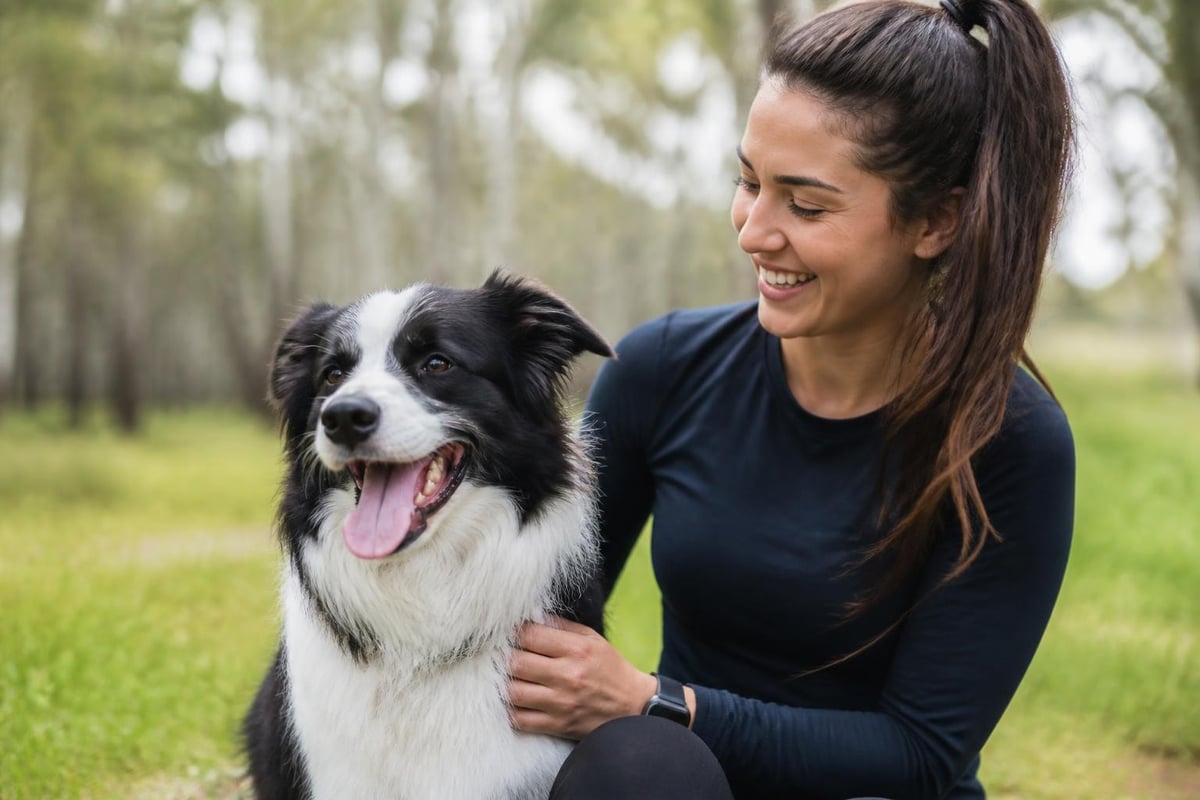
There's something magical about watching your dog's tail wag with pure joy as you head out the door together for an adventure. Whether you're exploring a new hiking trail, visiting a dog-friendly café, or simply enjoying a different neighborhood park, a well-planned doggie day out creates wonderful memories and provides essential mental and physical stimulation for your furry companion. These special outings strengthen your bond, offer enrichment opportunities, and give your pup the chance to experience the world beyond your backyard. Let's explore how to make every doggie day out safe, enjoyable, and tail-waggingly memorable for both of you.
Understanding Why Your Dog Needs Regular Outings
Dogs thrive on variety and new experiences. Just like us, our canine friends can get bored with the same routine day after day. Research shows that dog walking and outings positively influence both physical activity and mental health for dogs and their owners alike.
Regular outings beyond your usual walking route provide crucial mental enrichment. New sights, sounds, and especially smells engage your dog's brain in ways that indoor play simply cannot match. This cognitive stimulation helps prevent behavioral issues that often stem from boredom, such as excessive barking, destructive chewing, or anxiety.
Physical and Mental Benefits
A doggie day out offers benefits that extend far beyond simple exercise:
- Enhanced socialization with new people, dogs, and environments
- Stress reduction through novel experiences and natural exploration
- Improved recall and obedience when practicing in different settings
- Stronger human-canine bond through shared adventures
- Better sleep from healthy exhaustion after a full day of activity
These outings also give you the opportunity to observe your dog's behavior in different contexts. You might discover that your pup loves water, excels at agility-style obstacles on trails, or prefers quiet nature walks over bustling urban environments. Understanding these preferences helps you tailor future outings to what truly brings your dog joy.
Planning Your Perfect Doggie Day Out
Successful adventures start with thoughtful planning. Before you load up the car, consider your dog's age, fitness level, temperament, and any special needs they might have. A senior dog or brachycephalic breed like a French Bulldog will have different needs than a high-energy Labrador Retriever.
Choosing the Right Destination
The best destinations match your dog's personality and physical capabilities. Active breeds might love a challenging hike, while calmer dogs may prefer a leisurely stroll through a botanical garden or along a beach.
Consider these popular doggie day out destinations:
- Dog-friendly hiking trails where leashed pets are welcome
- Beach or lakefront areas with designated dog sections
- Outdoor shopping districts with pet-friendly stores and patios
- Dog parks and off-leash areas for social play
- Agility or training facilities for structured fun
- Brewery or café patios that welcome four-legged guests
Before heading out, check local regulations and requirements. The National Park Service provides excellent guidance on hiking with pets including which trails and parks allow dogs and important trail etiquette to follow.
Weather and Safety Considerations
Weather plays a crucial role in planning your doggie day out. Hot pavement can burn paw pads in summer, while winter conditions may require protective booties. The American Veterinary Medical Association offers essential warm-weather pet safety guidelines that every dog owner should review before summer outings.
| Season | Key Considerations | Safety Tips |
|---|---|---|
| Summer | Heat, pavement temperature, hydration | Early morning or evening outings, plenty of water, shade breaks |
| Winter | Cold, ice, salt on sidewalks | Protective booties, shorter outings, towel off after walks |
| Spring/Fall | Variable temperatures, ticks | Layered approach, tick prevention, check weather forecast |
Essential Gear and Supplies
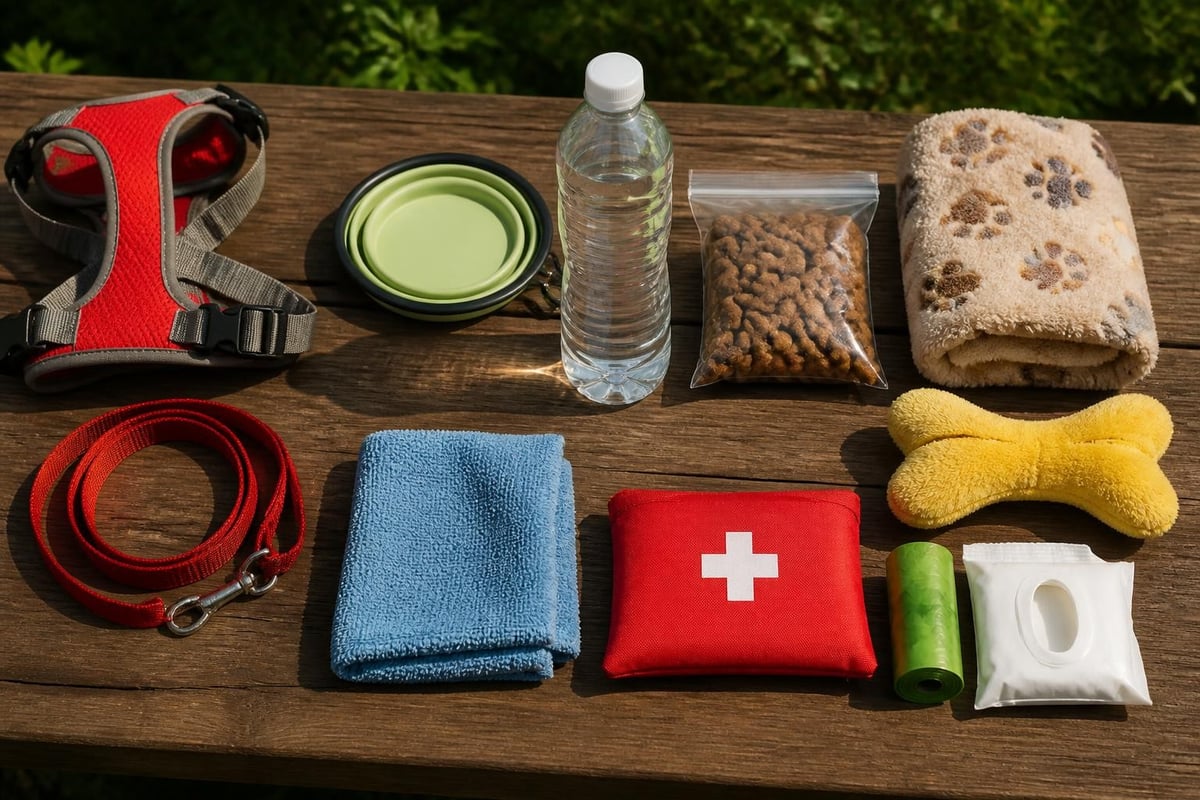
Packing the right supplies ensures you're prepared for whatever your doggie day out brings. Think of it as building an adventure kit tailored specifically to your pup's needs.
Must-Have Items
Your basic doggie day out kit should include:
- Plenty of fresh water and a collapsible bowl
- High-value treats for training and rewards
- Waste bags (always pack extra)
- Current ID tags and proof of vaccinations
- Leash and backup leash appropriate for the environment
- First aid supplies including bandages and antiseptic wipes
- Towels for cleanup after muddy or wet adventures
The American Red Cross recommends building a comprehensive pet emergency kit that includes medications, medical records, and emergency contact information. Even on short outings, having key items from this kit provides peace of mind.
Specialized Equipment for Different Activities
Different adventures call for different gear. If you're planning water activities, a canine life jacket offers safety even for strong swimmers. For car travel, proper restraints keep everyone safe. AAA’s pet travel resources provide excellent guidance on choosing appropriate restraint systems and planning pet-friendly road trips.
Training for Successful Outings
The best doggie day out experiences happen when your dog has solid foundational training. This doesn't mean your pup needs to be perfect, but certain skills make adventures safer and more enjoyable for everyone.
Core Skills Every Adventure Dog Needs
Focus on these essential behaviors before tackling more ambitious outings:
Reliable recall tops the list of important skills. Even if you plan to keep your dog leashed, situations arise where a strong "come" command could prevent disaster. The American Kennel Club offers excellent guidance on recall training that works for dogs at any training level.
Loose-leash walking transforms your outings from a pulling match into a pleasant shared experience. If your dog tends to pull, check out our guide on how to stop your dog from pulling on the leash before planning longer adventures.
Polite greetings prevent awkward encounters with other people and dogs. Teaching your pup to remain calm when meeting new friends makes every outing more pleasant. Our article on how to stop your dog from jumping on people provides practical strategies you can implement right away.
Practicing in New Environments
Training doesn't end at home or in familiar settings. Your doggie day out provides the perfect opportunity to practice skills in distracting environments. Start with less stimulating locations and gradually increase difficulty as your dog succeeds.
Bring high-value treats that your dog doesn't get every day. These special rewards help maintain focus when surrounded by exciting new smells and sights. Understanding what your dog’s body language is really telling you helps you recognize stress signals early and adjust your plans accordingly.
Making the Most of Social Opportunities
A doggie day out often includes encounters with other dogs and people. These social interactions provide valuable enrichment, but they require careful management to ensure positive experiences.
Dog Park Visits and Off-Leash Play
Dog parks can be wonderful venues for social play, but they're not right for every dog or every situation. Before your first visit, review the American Kennel Club’s dog park etiquette tips to understand best practices and safety considerations.
Not all dogs enjoy the chaos of busy dog parks. Some prefer one-on-one play dates with familiar friends, while others do best with parallel play where they explore near other dogs without direct interaction. Observe your dog's preferences and respect their comfort level.
Café and Restaurant Patios
Many establishments welcome well-behaved dogs on their outdoor patios. These settings offer wonderful opportunities for your doggie day out to include relaxation and socialization in a controlled environment.
Prepare your pup for café culture:
- Practice "settle" or "place" commands on a mat or blanket
- Ensure your dog can remain calm while you eat
- Bring a long-lasting chew to occupy them
- Choose quieter times for initial visits
- Keep your dog close to your table, not in walkways
Health and Wellness During Outings
Even the most exciting doggie day out should prioritize your pup's health and wellbeing. Pay attention to signs of fatigue, stress, or discomfort throughout your adventure.
Recognizing When Your Dog Needs a Break
Dogs often push themselves beyond their limits, especially when excited about new experiences. Watch for these signs that your pup needs rest:
- Heavy panting or difficulty catching breath
- Lagging behind or slowing down significantly
- Seeking shade or lying down frequently
- Loss of interest in treats or play
- Excessive drooling or stumbling
Current research on canine welfare and behavior emphasizes the importance of monitoring dogs for signs of stress during enrichment activities. What's meant to be fun can become overwhelming if we don't watch for these cues.
Hydration and Nutrition
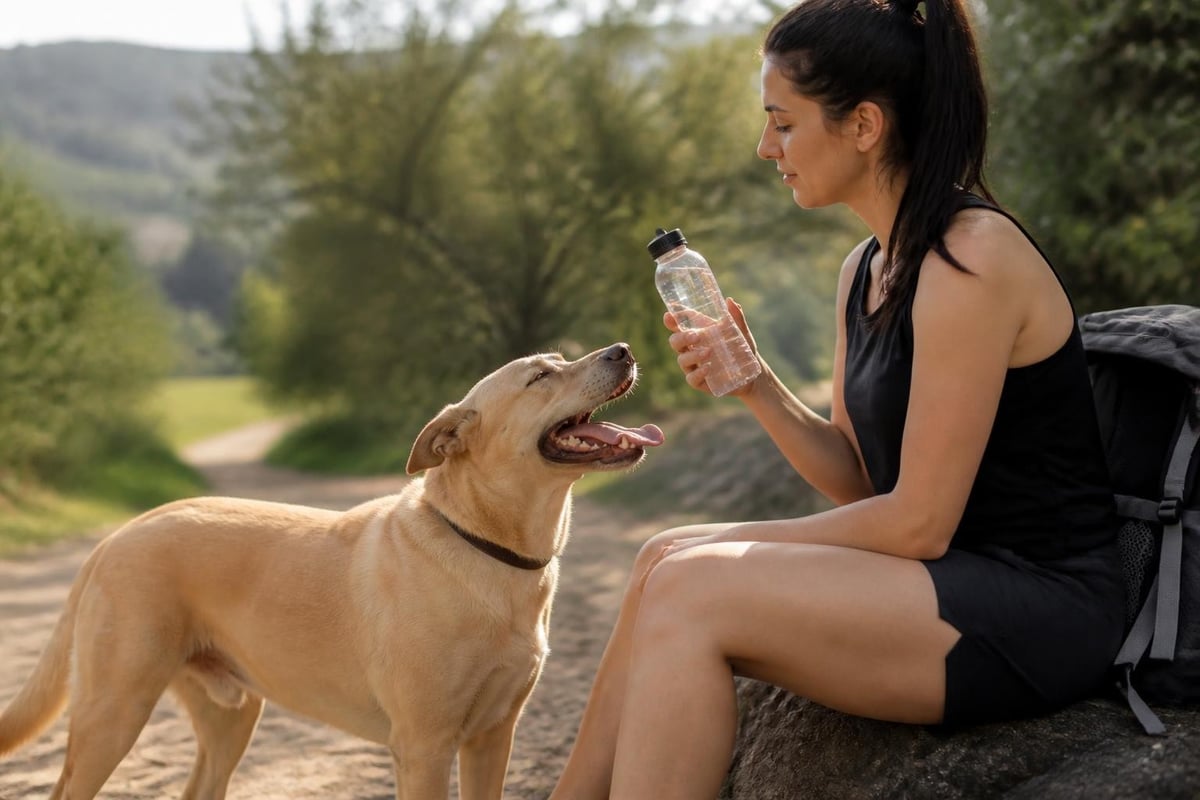
Water breaks should happen frequently, especially in warm weather or during strenuous activity. Offer water every 15-20 minutes during active play or hiking. Some dogs drink more readily from running water or specific bowl types, so know your pup's preferences.
For longer outings, pack nutritious snacks. Our guide to personalized dog nutrition can help you choose appropriate treats and meals that support your dog's energy needs during adventures.
Post-Adventure Care
The doggie day out doesn't end when you return home. Proper post-adventure care ensures your pup recovers well and stays healthy for your next outing together.
Cleanup and Grooming
After outdoor adventures, especially in muddy or wet conditions, your dog needs a thorough cleanup. Our article on how to care for your dog after a rainy walk provides excellent strategies that apply to any messy outing.
Check your dog thoroughly for:
- Ticks, burrs, or foxtails in the coat
- Cuts or scrapes on paw pads
- Foreign objects between toes
- Irritation or hot spots on skin
Regular grooming at home between professional sessions keeps your adventure dog healthy. Learn how to trim your dog’s nails at home and how to brush your dog’s teeth to maintain wellness between outings.
Rest and Recovery
Don't be surprised if your pup sleeps heavily after a big doggie day out. Quality rest allows their body to recover from physical exertion and their mind to process all the new experiences they encountered.
Provide a comfortable, quiet space for recovery. Some dogs become extra thirsty hours after exercise, so ensure fresh water remains available. Watch for any signs of injury or illness that might not have been apparent during the excitement of your outing, and consult your vet if concerns arise. Our health and nutrition resources can help you identify when professional care is needed.
Different Outings for Different Dogs
Every dog is unique, and the perfect doggie day out for a German Shepherd might look completely different from the ideal day for a French Bulldog. Tailor your adventures to your specific dog's breed characteristics, age, and personality.
Breed-Specific Considerations
Understanding your dog's breed tendencies helps you plan appropriate activities:
High-energy breeds like Labrador Retrievers and German Shepherds thrive on challenging hikes, swimming, or agility-based activities. These dogs need substantial physical and mental stimulation to feel satisfied.
Brachycephalic breeds such as French Bulldogs require special attention to temperature and exertion levels. Shorter, less strenuous outings work best, with plenty of rest breaks and careful monitoring for breathing difficulties.
Sporting and retrieving breeds like Golden Retrievers often excel at water-based activities and fetch games. Incorporate their natural instincts into your doggie day out planning.
Age-Appropriate Activities
Puppies and senior dogs have different needs than adult dogs in their prime. Young puppies shouldn't over-exercise as their bones and joints are still developing. Senior dogs may have arthritis or reduced stamina that requires shorter, gentler outings with more frequent breaks.
| Life Stage | Ideal Outing Length | Best Activities | Special Considerations |
|---|---|---|---|
| Puppy (under 1 year) | 15-30 minutes per outing | Short walks, socialization, gentle play | Avoid excessive jumping, stick to softer surfaces |
| Adult (1-7 years) | 1-3 hours | Hiking, swimming, dog sports, extended exploration | Match intensity to fitness level |
| Senior (7+ years) | 20-60 minutes | Gentle walks, sniffing adventures, shallow water play | Watch for fatigue, provide extra rest breaks |
Building a Regular Outing Routine
Consistency helps both you and your dog get the most from your doggie day out adventures. Building these special outings into your regular routine ensures your pup receives ongoing enrichment and stimulation.
Creating Your Adventure Calendar
Start by designating specific days or times for special outings. Maybe every Saturday morning becomes your long adventure day, while Wednesday evenings are reserved for exploring a new neighborhood café. This structure helps you commit to providing regular variety in your dog's life.
Rotate through different types of activities to keep things fresh. One week might feature a challenging hike, the next a beach day, followed by an urban exploration or a play date with dog friends. This variety provides comprehensive enrichment that engages different senses and skills.
Incorporating Sniff Walks
Not every doggie day out needs to be an epic adventure. Sometimes the most enriching experiences come from simply allowing your dog to explore at their own pace. Sniff walks provide tremendous mental stimulation as your dog investigates their environment through their most powerful sense.
These decompression walks let your dog be a dog. Rather than focusing on distance or speed, sniff walks prioritize exploration and investigation. They're perfect for days when you're short on time or when weather limits more ambitious plans.
Safety Tips for Every Adventure
No matter where your doggie day out takes you, certain safety principles apply universally. The ASPCA provides comprehensive pet travel safety guidance that every responsible dog owner should review.
Vehicle Safety
Many doggie day out adventures begin with a car ride. Proper vehicle safety protects everyone on board:
- Use crash-tested restraint systems, crates, or barriers
- Never allow dogs to ride in truck beds or with heads out windows
- Keep the car well-ventilated and cool
- Never leave your dog unattended in a parked vehicle
- Take breaks on longer drives for water and bathroom needs
Emergency Preparedness
Hope for the best but prepare for unexpected situations. Know the location of emergency veterinary clinics near your destination. Keep your regular vet's contact information and your dog's medical records accessible on your phone.
Familiarize yourself with basic canine first aid. Understanding how to handle common injuries like cut paw pads, insect stings, or minor scrapes allows you to provide immediate care while determining whether professional veterinary attention is needed. For routine health matters, our training and behavior resources and dog care tips offer practical guidance.
Making Every Outing Count
The beauty of a doggie day out lies not in checking boxes or visiting the most Instagram-worthy locations, but in the quality time spent together and the joy these adventures bring to your dog's life. Each outing strengthens your bond and creates positive associations with the world beyond your home.
Pay attention to what truly lights up your dog's eyes. Maybe they love the social buzz of busy parks, or perhaps they prefer quiet trails where wildlife scents tell stories you can only imagine. Some dogs adore water while others prefer staying dry. Discovering these preferences transforms generic outings into personalized adventures perfectly suited to your individual dog.
Document your adventures through photos or a simple journal. Looking back on these memories reminds you of growth, funny moments, and the special places you've explored together. These records also help you identify patterns in what works best for your pup and what to avoid in the future.
Remember that consistency matters more than intensity. Regular, modest outings provide more sustained benefits than occasional extravagant adventures. Even a simple trip to a new park or a walk through a different neighborhood counts as a valuable doggie day out that enriches your dog's life.
Planning regular doggie day out adventures keeps your furry friend mentally stimulated, physically healthy, and deeply connected to you through shared experiences. By considering your dog's individual needs, preparing properly, and prioritizing safety alongside fun, you create meaningful outings that enhance both your lives. Whether you're just starting to explore beyond your usual routine or looking to expand your adventure repertoire, Dog Care Guide offers the cheerful, practical guidance you need to make every outing with your pup safe, joyful, and tail-waggingly wonderful.