
Every dog owner wants their furry friend to live their best life, but understanding what your dog truly needs can feel overwhelming. From puppyhood through their golden years, our canine companions depend on us to meet their physical, emotional, and mental requirements. Whether you're welcoming your first pup or you're a seasoned dog parent, knowing these fundamental dog needs helps you build a stronger bond and ensures your four-legged family member thrives in every stage of life.
Understanding Your Dog's Basic Physical Needs
Our dogs rely on us completely for their physical well-being, and meeting these fundamental requirements forms the foundation of responsible pet ownership. Physical dog needs go far beyond just food and water-they encompass everything your pup requires to maintain a healthy body.
Proper Nutrition and Hydration
Quality nutrition stands as one of the most critical dog needs you'll address every single day. Your dog's diet should match their age, size, activity level, and any special health considerations. Puppies need different nutrients than senior dogs, and large-breed dogs have specific nutritional requirements that support healthy bone and joint development.
Fresh, clean water must be available at all times. Dogs can become dehydrated quickly, especially during warm weather or after exercise. Here are the nutritional essentials:
- Age-appropriate food: Puppy, adult, or senior formulas
- Portion control: Follow feeding guidelines to prevent obesity
- Consistent meal times: Regular feeding schedules support digestion
- Quality ingredients: Look for named proteins as the first ingredient
- Fresh water: Changed daily and available 24/7

Different breeds have varying metabolic rates and dietary sensitivities. Researching your specific breed helps you understand their unique nutritional profile and potential food allergies.
Health Care and Preventive Medicine
Veterinary care represents one of the non-negotiable dog needs that protects your companion from preventable diseases and catches health issues early. Routine health care for dogs includes regular check-ups, vaccinations, parasite prevention, and dental care.
Essential Veterinary Services
Annual wellness exams allow your veterinarian to monitor your dog's overall health, catch problems before they become serious, and keep vaccinations current. The WSAVA vaccination guidelines provide comprehensive recommendations for core and non-core vaccines based on your dog's lifestyle and risk factors.
| Health Service | Frequency | Purpose |
|---|---|---|
| Wellness exam | Annual (senior dogs: twice yearly) | Overall health assessment |
| Core vaccines | As recommended by vet | Prevent serious diseases |
| Heartworm test | Annual | Early detection |
| Dental cleaning | As needed | Prevent periodontal disease |
| Parasite prevention | Monthly | Protect from fleas, ticks, worms |
Heartworm prevention deserves special attention among your dog needs. The American Heartworm Society guidelines emphasize year-round prevention, even in colder climates, because these parasites can be fatal if left untreated.
Grooming and Hygiene Requirements
Regular grooming isn't just about keeping your dog looking cute-it's a genuine health need. Brushing removes dead hair, distributes natural oils, and lets you check for lumps, bumps, or skin issues. Nail trimming prevents painful overgrowth and mobility problems, while ear cleaning reduces infection risk.
Your grooming routine should include:
- Brushing: Daily to weekly, depending on coat type
- Bathing: Monthly or as needed (over-bathing strips natural oils)
- Nail trimming: Every 3-4 weeks
- Ear cleaning: Weekly for floppy-eared breeds
- Teeth brushing: Daily is ideal, minimum three times weekly
Exercise and Physical Activity Requirements
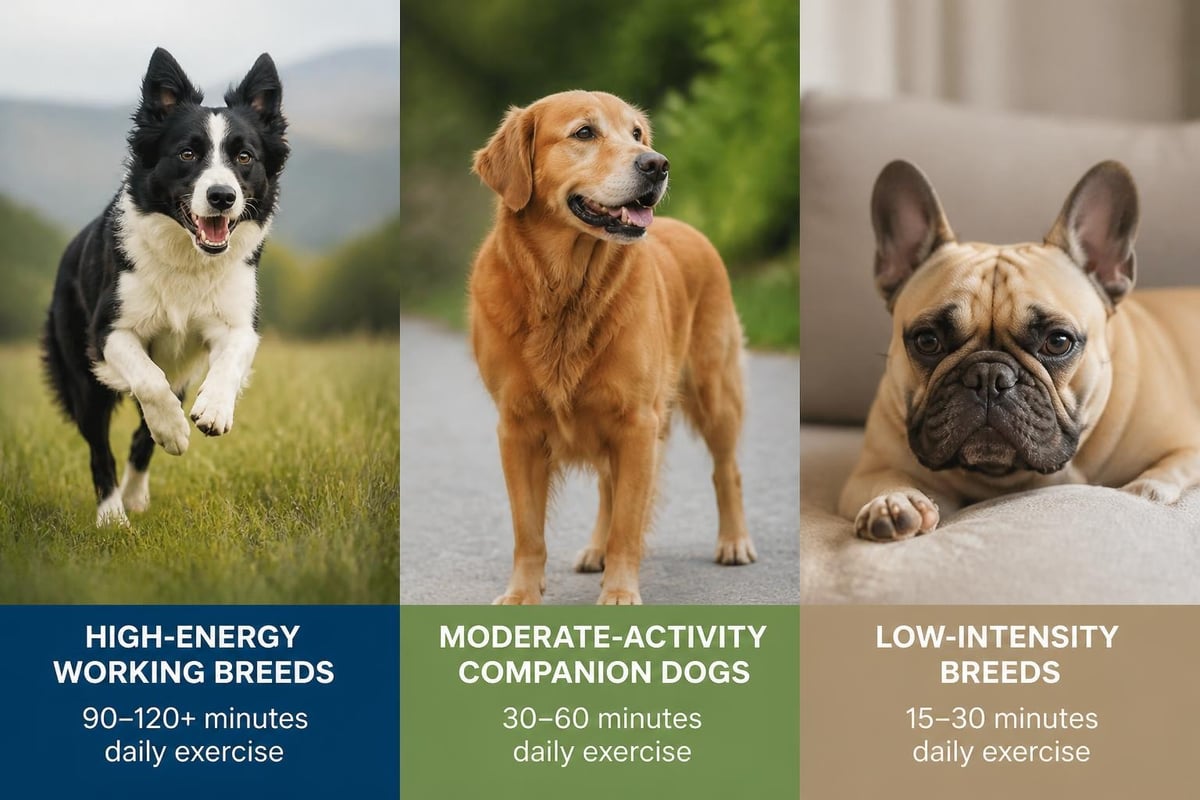
Physical activity ranks among the most important dog needs for maintaining healthy weight, strong muscles, and good cardiovascular function. The amount of exercise your dog requires depends heavily on their breed, age, and individual energy level.
High-energy breeds need substantially more activity than their laid-back counterparts. A Border Collie or Australian Shepherd might need two hours of vigorous exercise daily, while a Bulldog may be content with a couple of short walks. Understanding breed-specific characteristics helps you meet these activity requirements appropriately.
Creating an Exercise Plan
Design your dog's exercise routine around their specific needs and capabilities. Puppies have lots of energy but shouldn't over-exercise while their bones are still growing. Senior dogs benefit from gentle, consistent movement that keeps joints mobile without causing strain.
- Daily walks: Two or three walks provide baseline activity
- Play sessions: Fetch, tug-of-war, or interactive games
- Swimming: Low-impact exercise for dogs with joint issues
- Dog parks: Social exercise and mental stimulation combined
- Hiking: Adventure and bonding for active breeds
Weather considerations matter too. During hot summer months, schedule walks for early morning or evening to protect paw pads from burning and prevent heatstroke. Winter weather might require booties for salt protection and shorter outdoor sessions.
Mental Stimulation and Enrichment
Mental exercise is just as vital as physical activity when considering comprehensive dog needs. A bored dog often becomes a destructive dog, developing problem behaviors like excessive barking, digging, or chewing. Mental stimulation keeps your dog's brain sharp, reduces anxiety, and provides a productive outlet for their natural instincts.
Enrichment Activities for Happy Dogs
The ASPCA’s canine enrichment resources offer creative ways to challenge your dog's mind. Food puzzles make mealtime engaging, scent games tap into their incredible nose, and training sessions build skills while strengthening your bond.
Try these enrichment strategies:
- Puzzle feeders: Slow down eating while engaging problem-solving skills
- Hide and seek: Hide treats or toys for your dog to find
- Training new tricks: Mental workout plus bonding time
- Sniff walks: Let your dog stop and smell everything
- Rotating toys: Keep a toy rotation to maintain novelty
| Enrichment Type | Benefit | Example Activities |
|---|---|---|
| Food-based | Problem-solving, slows eating | Puzzle toys, snuffle mats, frozen Kongs |
| Scent work | Uses natural abilities, builds confidence | Hide treats, scent trails, nose work classes |
| Social | Reduces isolation, teaches manners | Playdates, dog parks, training classes |
| Exploratory | Novelty, environmental confidence | New walking routes, pet-friendly stores |
Training shouldn't stop after basic obedience. Advanced tricks, agility, nose work, or even therapy dog certification provide ongoing mental challenges that fulfill important dog needs for learning and accomplishment.
Emotional and Social Well-Being
Dogs are pack animals with deep emotional needs that many owners underestimate. Your dog needs companionship, security, and a sense of belonging to truly thrive. Neglecting these emotional requirements can lead to anxiety, depression, and behavioral problems.
Building Strong Bonds
Bonding with your puppy starts from day one, but the relationship continues developing throughout your dog's life. Quality time together-whether through play, training, or simply relaxing on the couch-strengthens your connection and reassures your dog that they're a valued family member.
Separation anxiety highlights how crucial emotional security is among dog needs. Cornell University’s guidance on anxious behavior provides evidence-based strategies for helping dogs cope with alone time and stressful situations.
Socialization Throughout Life
Early socialization shapes your puppy's confidence and social skills, but ongoing social experiences remain important dog needs even for adult dogs. Positive interactions with other dogs, people, and environments prevent fearfulness and aggression.
Safe socialization includes:
- Puppy classes: Controlled environments for young dogs to learn
- Regular dog friends: Consistent playmates with compatible play styles
- Varied environments: Exposure to different sights, sounds, and surfaces
- Positive experiences: Always end on a good note
- Respect individual temperament: Not all dogs are social butterflies
Safety and Security Requirements
Creating a safe environment addresses fundamental dog needs that prevent injury and reduce stress. Your home should be a sanctuary where your dog feels protected and secure.
Home Safety Essentials
Dog-proofing your home means removing or securing potential hazards. Electrical cords, toxic plants, chemicals, and small objects that could be swallowed all pose risks. Secure fencing provides safe outdoor access, while proper identification (collar tags and microchip) ensures your dog can be returned if they wander off.
Safety considerations include:
- Toxic substance storage: Keep cleaners, medications, and chemicals locked away
- Secure fencing: At least 6 feet high for most breeds
- Identification: Collar tags plus microchip registration
- Temperature control: Adequate heating and cooling
- Safe toys: Size-appropriate, durable, without small parts

Age-Specific Considerations
Dog needs evolve dramatically from puppyhood through senior years, and adapting your care approach ensures your companion receives appropriate support at every life stage.
Puppy Requirements
Puppies need frequent meals, plenty of sleep (16-20 hours daily), and gentle socialization. Their immune systems are still developing, so vaccination schedules and limited exposure to unknown dogs protect them from disease.
Adult Dog Stability
Adult dogs thrive on consistent routines that meet their established dog needs. Maintaining steady meal times, exercise schedules, and training reinforcement provides the structure dogs find comforting.
Senior Dog Accommodations
Older dogs need modified exercise, joint supplements, more frequent vet visits, and environmental adjustments like ramps or orthopedic beds. Their dog needs shift toward comfort, pain management, and quality of life maintenance.
| Life Stage | Key Needs | Special Considerations |
|---|---|---|
| Puppy (0-1 year) | Socialization, training, frequent meals | Vaccination schedule, chew-appropriate toys |
| Adult (1-7 years) | Consistent routine, maintenance care | Breed-specific health screening |
| Senior (7+ years) | Comfort, pain management, adapted exercise | Cognitive support, mobility aids |
Breed and Size-Specific Requirements
Different breeds have distinct dog needs shaped by centuries of selective breeding. Working breeds need jobs to do, herding breeds need space to move, and toy breeds need protection from cold weather and careful handling.
Size dramatically impacts care requirements. Giant breeds need joint-protective nutrition and controlled exercise during growth. Toy breeds need calorie-dense food, dental care, and protection from injury.
Understanding breed tendencies helps you provide targeted care. For comprehensive breed information and care tips specific to different types of dogs, explore detailed guides at Dog Care Guide.
Frequently Asked Questions
What are the most basic dog needs every owner must meet?
The most fundamental dog needs include nutritious food, fresh water, veterinary care, daily exercise, mental stimulation, safe shelter, and emotional companionship. These form the foundation of responsible dog ownership and ensure your dog's physical and psychological well-being.
How much exercise does my dog really need?
Exercise requirements vary widely by breed, age, and individual temperament. High-energy breeds may need 1-2 hours of vigorous activity daily, while lower-energy dogs might be satisfied with 30-60 minutes of moderate exercise. Watch your dog's behavior-excessive energy or destructiveness often signals insufficient exercise.
Are mental stimulation needs as important as physical exercise?
Absolutely! Mental stimulation is a critical dog need that prevents boredom, anxiety, and destructive behaviors. Food puzzles, training sessions, scent games, and new experiences challenge your dog's brain and provide fulfillment that physical exercise alone cannot deliver.
How do dog needs change as they age?
Puppies need frequent meals, extensive socialization, and controlled exercise. Adult dogs thrive on consistent routines and maintenance care. Senior dogs require modified exercise, joint support, more frequent vet visits, and environmental accommodations like orthopedic beds or ramps for mobility challenges.
What emotional needs do dogs have?
Dogs need companionship, security, consistent routine, and a sense of belonging within their family pack. They require positive social interactions, mental engagement, and quality time with their owners. Neglecting emotional dog needs can lead to anxiety, depression, and behavioral problems.
Meeting your dog's comprehensive needs-from nutrition and health care to exercise, mental stimulation, and emotional bonding-creates the foundation for a happy, healthy life together. Every dog deserves an owner who understands and addresses these essential requirements with love and consistency. At Dog Care Guide, we're here to support you every step of the way with practical, cheerful guidance on grooming, training, health, and nutrition that helps you pamper and protect your furry friend with confidence.