
Golden Retrievers capture hearts with their friendly personalities, boundless energy, and gorgeous coats. If you’ve welcomed one of these wonderful companions into your home, you already know they’re special. Proper golden retriever care ensures your furry friend lives a long, healthy, and joyful life. From their signature golden coats to their active lifestyles, these dogs have specific needs that deserve our attention and love. Let’s explore everything you need to know to give your Golden Retriever the best care possible.
Understanding Your Golden Retriever’s Unique Needs
Golden Retrievers are medium to large dogs that typically weigh between 55 and 75 pounds, with males generally larger than females. These sporting dogs have specific breed characteristics that influence their care requirements.
Their double coat, friendly temperament, and athletic build make them wonderful family companions. However, these same traits mean they need dedicated grooming, plenty of exercise, and regular health monitoring.
Life Expectancy and Health Considerations
Most Golden Retrievers live between 10 and 12 years when provided with excellent care. They’re generally healthy dogs, but the breed does have predispositions to certain health conditions.
Common health concerns include:
- Hip and elbow dysplasia
- Various types of cancer
- Heart conditions
- Eye disorders
- Ear infections
Understanding these potential issues helps us provide preventive care and catch problems early. We’ll explore these topics in detail throughout this guide.
Grooming Your Golden Retriever’s Beautiful Coat
That gorgeous golden coat needs regular attention to stay healthy and tangle-free. Golden retriever care includes a solid grooming routine that keeps your dog comfortable and looking their best.
Brushing and Coat Maintenance
Golden Retrievers shed year-round, with heavier shedding twice annually during seasonal changes. Daily brushing during shedding seasons and three to four times weekly otherwise keeps loose hair under control.
Professional grooming techniques for Golden Retrievers emphasize using the right tools for their double coat. A slicker brush removes loose undercoat, while a metal comb helps detangle longer feathering on the legs, tail, and chest.
| Grooming Task | Frequency | Tools Needed |
|---|---|---|
| Brushing | 3-7 times weekly | Slicker brush, metal comb |
| Bathing | Every 6-8 weeks | Dog shampoo, conditioner |
| Nail trimming | Every 3-4 weeks | Nail clippers or grinder |
| Ear cleaning | Weekly | Ear cleaner, cotton balls |
| Teeth brushing | Daily | Dog toothbrush, toothpaste |
Bathing and Skin Care
Bathe your Golden every six to eight weeks, or when they get particularly dirty. Over-bathing strips natural oils from their coat, potentially causing dry skin.
Use a gentle dog shampoo and follow with conditioner to keep the coat soft and manageable. Pay special attention to drying your dog thoroughly, especially in the dense undercoat where moisture can linger.
Ear Care for Water-Loving Dogs
Golden Retrievers love water, making ear care especially important. Their floppy ears create a warm, moist environment perfect for bacterial and yeast growth.
Check ears weekly for redness, odor, or discharge. Ear infections are common in dogs with drop ears, particularly those who swim frequently. Clean ears with a veterinarian-approved solution after swimming or bathing.
Nutrition and Feeding Guidelines
Proper nutrition forms the foundation of excellent golden retriever care. These active dogs need balanced diets that support their energy levels, maintain healthy weight, and promote joint health.
Choosing Quality Dog Food
Select a high-quality dog food formulated for medium to large breeds. Golden Retrievers do well on foods with moderate protein (around 25-30% for adults) and appropriate fat levels (12-18%).
The World Small Animal Veterinary Association’s nutrition guidelines recommend choosing foods from manufacturers with strong quality control and nutritional expertise. Look for foods that meet AAFCO standards for your dog’s life stage.
Key nutritional considerations:
- Joint-supporting ingredients like glucosamine and chondroitin
- Omega-3 fatty acids for coat health and inflammation control
- Appropriate calcium and phosphorus ratios for bone health
- Digestible protein sources
Portion Control and Weight Management
Golden Retrievers love food and can easily become overweight. Excess weight stresses joints and increases health risks, particularly concerning given their predisposition to hip dysplasia and cancer.
Feed measured portions based on your dog’s age, weight, and activity level. Most adult Goldens do well with two meals daily, typically totaling three to four cups of dry food, though individual needs vary.
Monitor your dog’s body condition regularly. You should be able to feel their ribs easily without seeing them prominently, and they should have a visible waist when viewed from above.

Exercise and Mental Stimulation
These energetic dogs were bred as working retrievers, meaning they need substantial daily exercise. Golden retriever care isn’t complete without addressing their physical and mental activity requirements.
Daily Exercise Requirements
Plan for at least 60 minutes of exercise daily, split into multiple sessions. This might include walks, fetch sessions, swimming, or hiking adventures.
Swimming provides excellent low-impact exercise that’s particularly beneficial for dogs with joint concerns. Structured exercise programs help build strength and endurance while protecting developing or aging joints.
Excellent activities for Golden Retrievers:
- Retrieving games (they’re naturals!)
- Swimming and dock diving
- Hiking and trail walking
- Agility training
- Nose work and scent games
Mental Enrichment
Don’t forget mental exercise! Golden Retrievers are intelligent dogs that thrive on learning and problem-solving. Puzzle toys, training sessions, and interactive games prevent boredom and destructive behaviors.
Rotate toys regularly to maintain interest. Hide-and-seek games, treat-dispensing puzzles, and training new tricks provide the mental challenges your Golden craves.
Training and Socialization
Positive reinforcement training methods work beautifully with Golden Retrievers’ eager-to-please personalities. These dogs excel in obedience, making training a joy for most owners.
Puppy Training Basics
Start training and socialization early. Golden Retriever puppies are impressionable between 8 and 16 weeks, making this an ideal window for positive experiences.
Focus on basic commands like sit, stay, come, and loose-leash walking. Keep training sessions short (5-10 minutes) and fun, ending on a positive note.
Socialization introduces puppies to various people, animals, environments, and experiences. Well-socialized Goldens grow into confident, friendly adults.
Ongoing Training and Enrichment
Continue training throughout your dog’s life. Golden Retrievers enjoy learning and benefit from the mental stimulation that training provides.
Consider activities like:
- Advanced obedience classes
- Rally obedience
- Therapy dog certification
- Dock diving or field training
- Trick training for fun
Visit our training resources for detailed guides on specific behaviors and activities.
Health Monitoring and Preventive Care
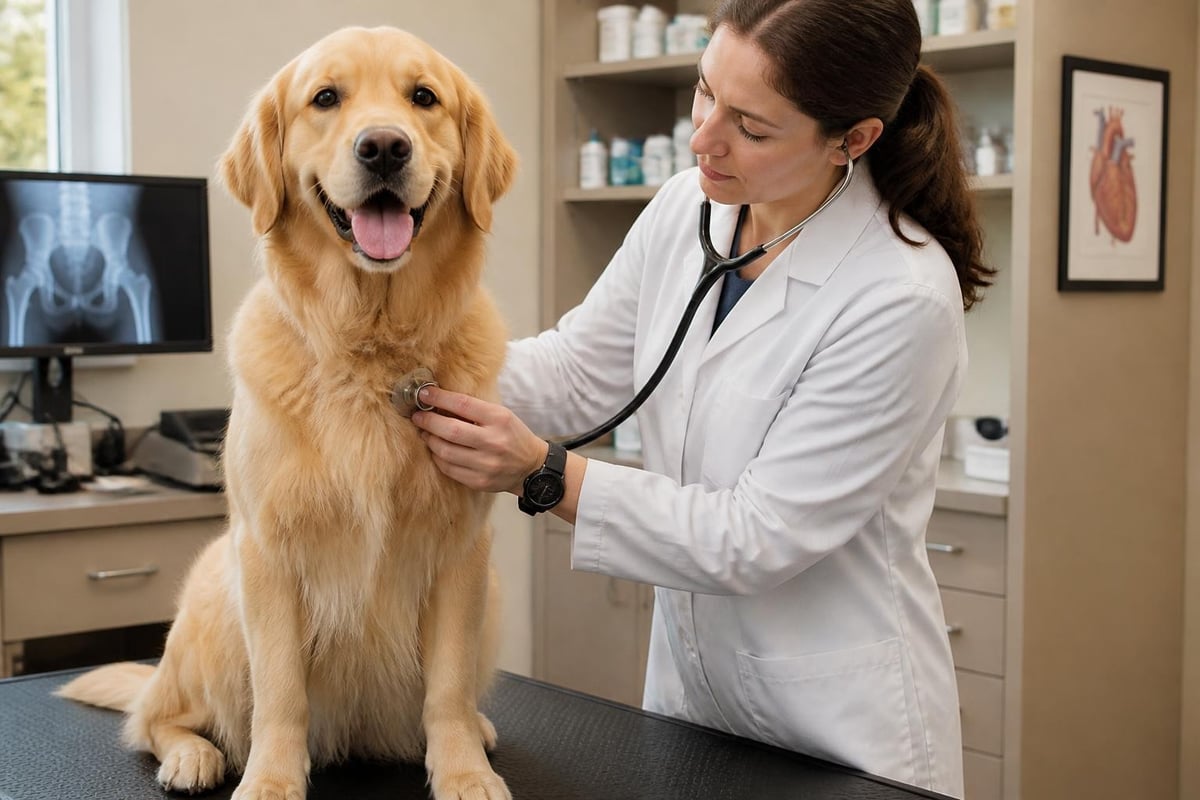
Proactive health care helps Golden Retrievers live longer, healthier lives. Regular veterinary visits, appropriate screenings, and preventive measures are essential aspects of golden retriever care.
Routine Veterinary Care
Schedule annual wellness exams, or twice yearly for senior dogs (7+ years). These visits allow your veterinarian to detect issues early and keep vaccinations current.
Common diseases affecting dogs include kennel cough, parvovirus, and distemper. Follow your veterinarian’s recommended vaccination schedule to protect your Golden.
| Age | Veterinary Care | Health Screenings |
|---|---|---|
| Puppy (8 weeks-1 year) | Multiple visits for vaccines, deworming | Initial health check |
| Adult (1-7 years) | Annual wellness exam | Hip/elbow evaluation (age 2), annual heartworm test |
| Senior (7+ years) | Biannual exams | Annual bloodwork, cardiac screening, cancer monitoring |
Breed-Specific Health Screenings
Golden Retrievers benefit from specific health screenings. The Golden Retriever Club of America recommends several evaluations for breeding dogs and as preventive measures for all Goldens.
Recommended screenings include:
- Hip and elbow evaluations
- Cardiac examinations
- Eye examinations by a board-certified ophthalmologist
- DNA testing for inherited conditions
Hip dysplasia screening through the Orthopedic Foundation for Animals helps identify joint issues early. While typically done before breeding, these evaluations provide valuable information for all owners about their dog’s orthopedic health.

Dental Health
Dental disease affects most dogs by age three without proper care. Periodontal disease prevention starts with daily tooth brushing and regular professional cleanings.
Brush your Golden’s teeth daily using dog-specific toothpaste. Dental chews and toys supplement brushing but don’t replace it. Schedule professional dental cleanings as recommended by your veterinarian.
Parasite Prevention
Year-round parasite prevention protects against fleas, ticks, heartworms, and intestinal parasites. Golden Retrievers’ outdoor-loving nature increases exposure risks, making consistent prevention crucial.
Choose veterinarian-recommended products and administer them exactly as directed. Heartworm prevention is particularly important, as treatment is expensive, risky, and challenging.
Special Considerations for Golden Retriever Care
Managing Shedding in Your Home
Accept that Golden Retriever ownership means living with dog hair! Regular brushing reduces loose hair, but you’ll still find golden strands throughout your home.
Invest in a quality vacuum designed for pet hair. Washable furniture covers and strategic placement of dog beds help contain shedding to manageable areas.
Climate Considerations
Golden Retrievers tolerate cold weather well thanks to their double coats but can overheat in hot climates. During summer, exercise during cooler morning and evening hours.
Provide plenty of fresh water and shaded rest areas. Never leave your Golden in a parked car, even briefly, as temperatures rise dangerously fast.
Life Stage Adjustments
Adjust care as your Golden ages. Puppies need frequent meals, shorter exercise sessions, and extensive socialization. Adults thrive with established routines and regular exercise.
Senior Goldens benefit from joint supplements, softer bedding, ramps for vehicle access, and modified exercise routines. Regular senior wellness exams catch age-related issues early.
Frequently Asked Questions
How often should I groom my Golden Retriever?
Brush your Golden Retriever three to seven times weekly, depending on the season. During heavy shedding periods (spring and fall), daily brushing helps manage loose hair. Bathe every six to eight weeks, trim nails monthly, clean ears weekly, and brush teeth daily for complete grooming care.
What is the best diet for a Golden Retriever?
Choose high-quality dog food formulated for medium to large breeds with moderate protein (25-30%) and appropriate fat levels (12-18%). Look for joint-supporting ingredients like glucosamine, omega-3 fatty acids for coat health, and foods meeting AAFCO standards for your dog’s life stage.
How much exercise does a Golden Retriever need daily?
Golden Retrievers need at least 60 minutes of exercise daily, ideally split into multiple sessions. Include activities like walks, fetch, swimming, and hiking. Mental stimulation through training, puzzle toys, and interactive games is equally important for this intelligent, energetic breed.
Are Golden Retrievers prone to health problems?
Golden Retrievers can be predisposed to hip and elbow dysplasia, various cancers, heart conditions, eye disorders, and ear infections. Regular veterinary care, appropriate health screenings, maintaining healthy weight, and preventive measures help manage these risks and support long, healthy lives.
When should I start training my Golden Retriever puppy?
Start training immediately after bringing your puppy home, typically around 8 weeks old. Focus on basic commands, house training, and socialization during the critical 8-16 week period. Use positive reinforcement methods and keep training sessions short, fun, and rewarding for best results.
How can I prevent my Golden Retriever from developing hip dysplasia?
While genetics play a major role, you can reduce risks by maintaining healthy weight, providing appropriate exercise without over-stressing growing joints, feeding quality food with proper calcium-phosphorus ratios, and considering joint supplements. Ask breeders about parental hip certifications when selecting a puppy.
What makes Golden Retriever coat care unique?
Golden Retrievers have double coats consisting of a dense, water-repellent undercoat and a longer outer coat. This requires specific grooming techniques using slicker brushes for the undercoat and metal combs for feathering. Regular brushing prevents matting and manages seasonal shedding effectively.
Creating a Care Routine That Works
Successful golden retriever care comes down to establishing consistent routines. Create a schedule that includes daily brushing sessions, regular exercise times, and training moments.
Track important dates like veterinary appointments, vaccination due dates, and medication schedules. Many owners find success using calendar reminders or pet care apps.
Remember that every Golden Retriever is an individual. While breed characteristics provide general guidelines, your dog may have unique needs or preferences. Pay attention to what works best for your specific companion.
Building a Support Network
Connect with other Golden Retriever owners through local meet-ups, online communities, or training classes. Sharing experiences and advice helps us all provide better care for our dogs.
Establish relationships with trusted professionals including your veterinarian, a groomer familiar with the breed, and a positive-reinforcement trainer. These experts become invaluable resources throughout your dog’s life.
For comprehensive information on caring for all breeds, explore our complete collection of dog care resources covering everything from puppy basics to senior dog care.
Year-Round Wellness Planning
Think of golden retriever care as a year-round commitment rather than isolated tasks. Spring might emphasize parasite prevention and managing increased shedding. Summer focuses on heat management and water safety.
Fall often brings another shedding surge requiring extra grooming attention. Winter considerations include paw care for ice and salt exposure, maintaining exercise despite weather challenges, and monitoring for dry skin from indoor heating.
Planning ahead ensures you’re prepared for seasonal challenges and never caught off guard by changing needs.
Caring for a Golden Retriever is a rewarding journey filled with joy, companionship, and unconditional love. By focusing on proper grooming, nutrition, exercise, training, and preventive health care, you’re giving your Golden the foundation for a wonderful life together. Whether you’re navigating puppyhood, enjoying active adult years, or treasuring senior moments, Dog Care Guide offers the practical, cheerful guidance you need to pamper and protect your furry friend every step of the way.