
Taking care of your dog's ears might not be the first thing on your grooming checklist, but it's one of the most important routines you can establish. Ear problems are among the top reasons dogs visit the veterinarian, yet many of these issues are preventable with proper attention and care. Whether you're a new dog parent or a seasoned owner, understanding ear care for dogs will help you keep your furry friend comfortable, healthy, and happy. Let's explore everything you need to know about maintaining those adorable ears!
Understanding Your Dog's Ear Anatomy
Dogs have a unique ear structure that makes them more susceptible to problems than humans. The ear canal is L-shaped, creating a warm, moist environment where bacteria and yeast can thrive. This design traps debris, moisture, and microorganisms deep within the canal.
Different breeds face different challenges. Dogs with floppy ears, like Cocker Spaniels and Basset Hounds, have reduced air circulation that creates an ideal breeding ground for infections. Meanwhile, breeds with hairy ear canals, such as Poodles and Schnauzers, may trap more debris.
Why Ear Health Matters
Healthy ears are essential for your dog's overall wellbeing and quality of life. The ear canal contains delicate tissues that, when inflamed or infected, cause significant discomfort and pain. Dogs rely heavily on their hearing to navigate the world, communicate, and stay alert to their surroundings.
Chronic ear problems can lead to serious complications:
- Permanent hearing loss
- Balance issues and head tilt
- Chronic pain and discomfort
- Secondary skin infections
- Behavioral changes from constant irritation
According to the Merck Veterinary Manual’s overview of otitis externa, ear infections are one of the most common conditions treated in veterinary practice, affecting up to 20% of dogs.
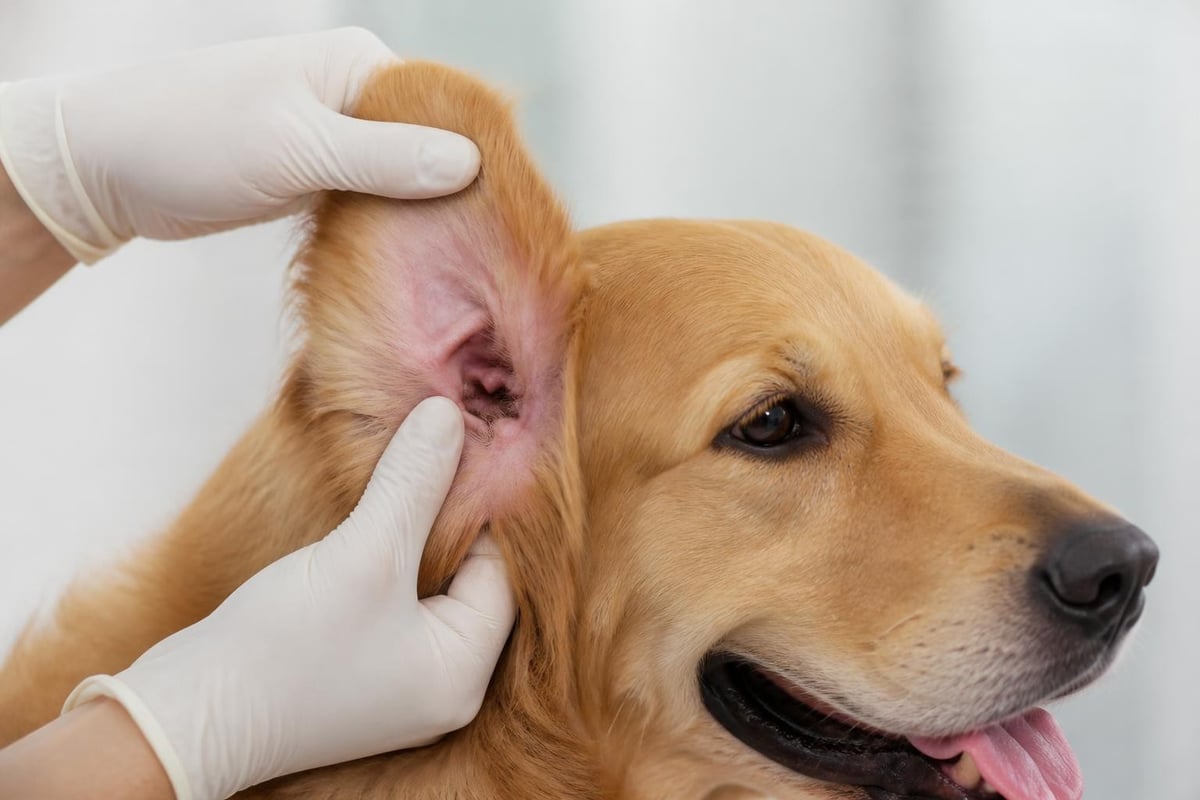
Recognizing Common Ear Problems
Being able to spot trouble early makes a huge difference in treatment outcomes. Your dog can't tell you when something's wrong, so you'll need to watch for these telltale signs.
Warning Signs to Watch For
Pay attention to these behavioral and physical indicators:
- Head shaking or tilting to one side
- Scratching at ears persistently
- Rubbing ears against furniture or floor
- Whimpering when ears are touched
- Redness or swelling around the ear
- Unusual discharge (yellow, brown, or bloody)
- Strong odor coming from the ears
- Crusty or scabby skin on ear flaps
- Loss of balance or walking in circles
Cornell University’s veterinary guidance on itchy ear problems emphasizes that persistent scratching often signals allergies, mites, or infection requiring veterinary attention.
Types of Ear Conditions
| Condition | Primary Cause | Common Symptoms | Risk Factors |
|---|---|---|---|
| Bacterial Otitis | Bacteria overgrowth | Yellow/green discharge, odor | Moisture, allergies, foreign objects |
| Yeast Infection | Malassezia overgrowth | Brown waxy discharge, sweet smell | Allergies, antibiotics, humidity |
| Ear Mites | Parasites | Dark crumbly discharge, intense itching | Puppies, outdoor exposure |
| Allergic Inflammation | Food or environmental allergens | Redness, swelling, chronic recurrence | Breed predisposition, seasonal patterns |
Recent research from the University of Illinois College of Veterinary Medicine highlights how fungal ear infections can develop resistance to treatments, making early intervention and proper diagnosis crucial.
Proper Ear Cleaning Techniques
Regular cleaning is the foundation of good ear care for dogs. But there's a right way and a wrong way to do it. Done incorrectly, cleaning can actually push debris deeper or damage delicate tissues.
When to Clean Your Dog's Ears
Not every dog needs the same cleaning schedule. Base frequency on your dog's individual needs:
Weekly cleaning recommended for:
- Dogs with floppy ears
- Water-loving breeds
- Dogs with chronic ear issues
- Breeds with excessive ear hair
Monthly or as-needed cleaning for:
- Dogs with upright ears
- Indoor dogs with no history of problems
- Breeds with clean, dry ears naturally
The ASPCA’s grooming guidance recommends checking ears weekly and cleaning only when necessary to avoid over-cleaning, which can disrupt the ear's natural balance.
Step-by-Step Cleaning Process
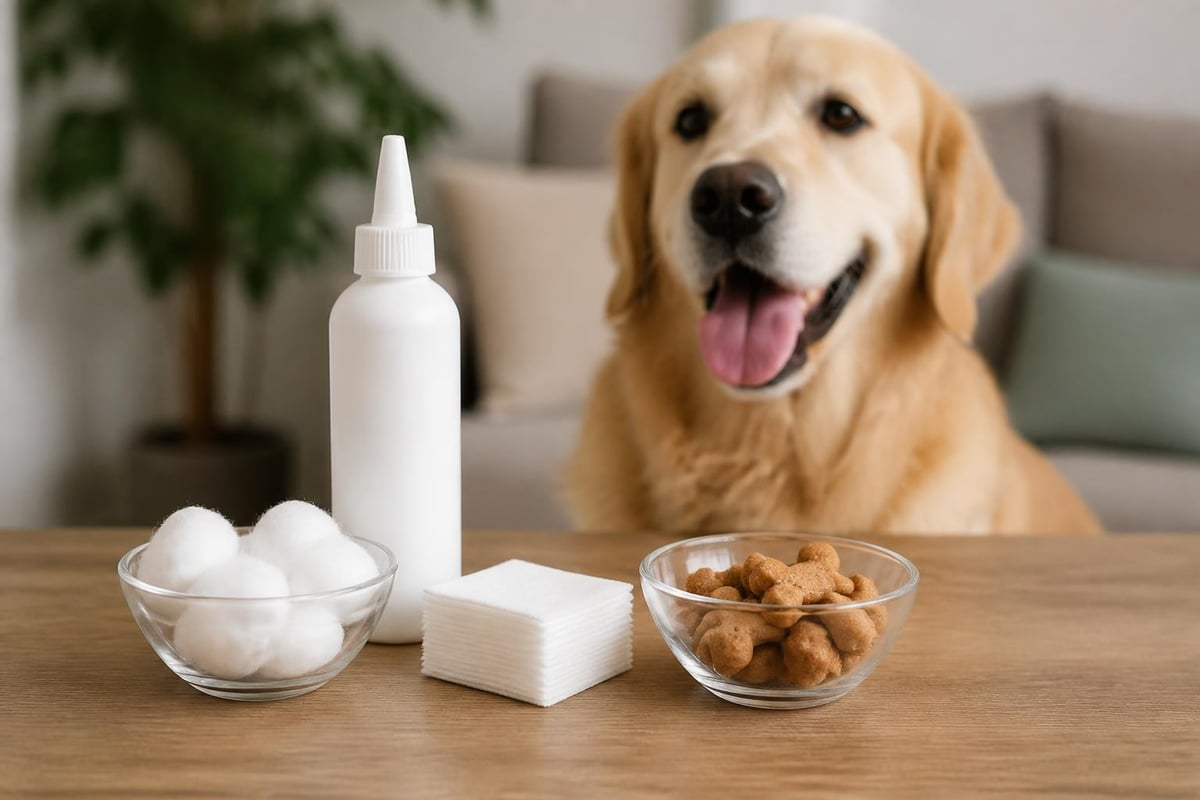
- Gather your supplies: veterinary-approved ear cleaner, cotton balls or gauze pads, treats for positive reinforcement
- Position your dog comfortably in a well-lit area where you can easily access both ears
- Lift the ear flap and fill the ear canal with cleaning solution (follow product instructions)
- Massage the base of the ear for 20-30 seconds to break up debris
- Let your dog shake their head to bring debris to the outer canal
- Wipe away debris from the outer ear with cotton balls (never insert anything into the canal)
- Reward generously with treats and praise to create positive associations
What NOT to Do
Avoid these common mistakes that can harm your dog's ears:
- Never use cotton swabs deep in the ear canal
- Don't use hydrogen peroxide or alcohol (too harsh)
- Avoid over-cleaning, which disrupts natural flora
- Never ignore signs of pain during cleaning
- Don't use human ear products without vet approval
Managing and Preventing Infections
Prevention is always easier than treatment when it comes to ear care for dogs. A proactive approach saves your pup from discomfort and saves you from expensive vet bills.
Prevention Strategies That Work
Build these habits into your routine:
After swimming or bathing:
- Dry ears thoroughly with a soft towel
- Use a drying solution recommended by your vet
- Ensure water doesn't pool in the ear canal
For hairy-eared breeds:
- Pluck or trim excess ear hair (ask your groomer or vet)
- Keep the ear canal opening clear
- Monitor for signs of irritation
Diet and allergies:
- Work with your vet to identify food sensitivities
- Consider whether your dog’s nutrition supports overall immune health
- Address environmental allergies that contribute to ear inflammation
Research published in Veterinary Dermatology demonstrates that proper ear cleaning significantly improves treatment outcomes for dogs with otitis externa, highlighting the importance of correct technique and frequency.
When to See Your Veterinarian
Some situations require professional care. Don't wait if you notice:
- Severe pain or sensitivity
- Discharge that's thick, bloody, or foul-smelling
- Swelling that closes the ear canal
- Symptoms lasting more than a few days
- Recurrent infections (more than 2-3 per year)
- Head tilt, loss of balance, or circling
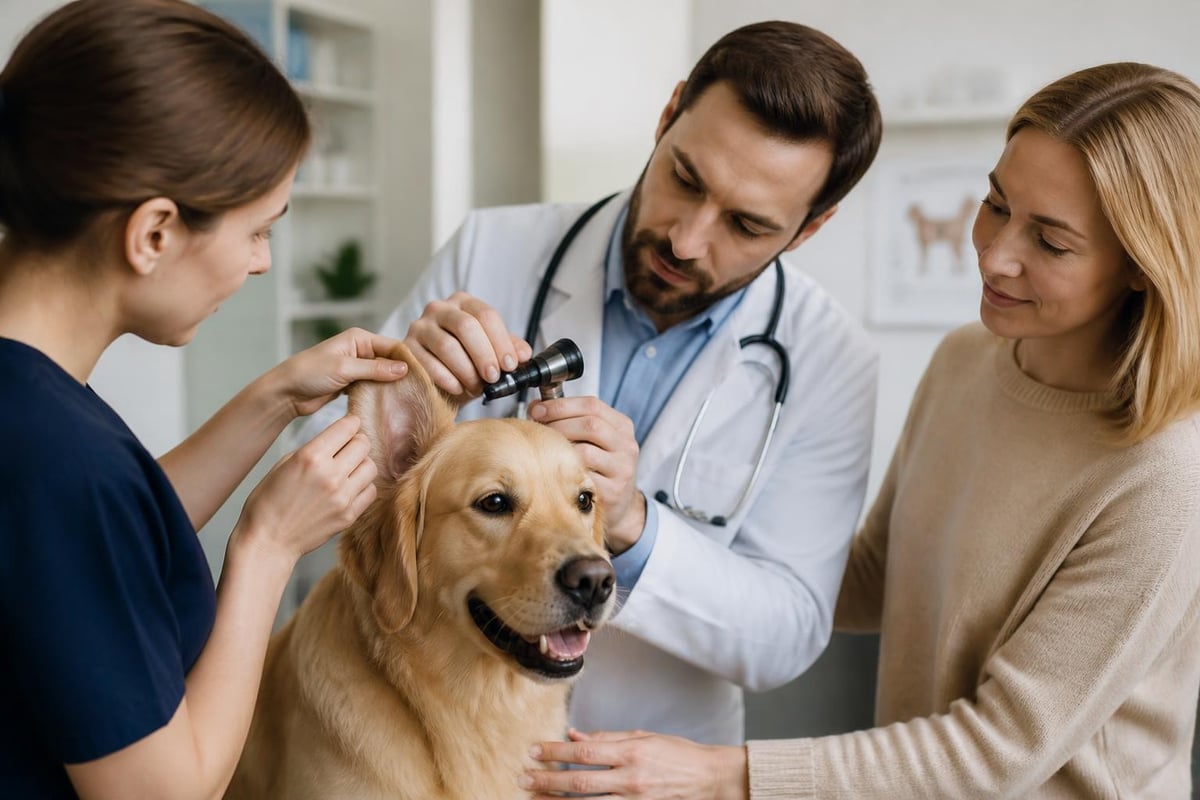
Your vet can perform cytology to identify the specific organism causing trouble and prescribe targeted treatment. This is especially important given emerging concerns about antifungal resistance in dogs, as detailed in recent genomic research.
Breed-Specific Ear Care Considerations
Understanding your dog’s breed characteristics helps you tailor your ear care routine to their specific needs.
High-Risk Breeds
Some breeds need extra attention due to their physical characteristics:
| Breed Type | Specific Risk | Care Strategy |
|---|---|---|
| Floppy-eared (Bassets, Spaniels) | Poor air circulation | Weekly cleaning, post-swim drying |
| Hairy ears (Poodles, Terriers) | Hair traps debris | Regular plucking/trimming, frequent checks |
| Allergic breeds (Bulldogs, Retrievers) | Chronic inflammation | Allergy management, vigilant monitoring |
| Water dogs (Labs, Spaniels) | Moisture exposure | Immediate post-swim care, preventive drying |
Different breeds also have different temperaments when it comes to handling. Some dogs are naturally gentle and patient during grooming, while others need gradual desensitization. Understanding breed temperament helps you approach ear care in a way that works for your specific dog.
Adapting Your Approach
Customize your routine based on your dog's lifestyle and individual factors:
- Outdoor adventurers need more frequent ear checks
- Senior dogs may have underlying conditions affecting ear health
- Puppies benefit from early positive associations with ear handling
- Dogs with previous infections require closer monitoring
The Role of Professional Grooming
Professional groomers are valuable partners in your dog's ear care routine. They bring expertise, specialized tools, and an objective eye to spot problems you might miss.
What Groomers Can Do
Regular grooming appointments support ear health through:
- Professional ear hair removal for breeds that need it
- Thorough cleaning with professional-grade products
- Early detection of problems before they worsen
- Expert advice on home care between appointments
- Proper drying techniques after baths
Most groomers include basic ear cleaning in standard grooming packages. For breeds needing ear hair removal, this specialized service prevents matting and improves air circulation.
Coordinating with Your Veterinarian
Your groomer and vet should work as a team. Groomers can alert you to potential issues, but they cannot diagnose or treat infections. If your groomer notices:
- Unusual discharge or odor
- Redness or swelling
- Signs of pain or sensitivity
- Suspected mites or foreign objects
Schedule a vet visit promptly. The UC Davis guidelines on managing otitis externa emphasize the importance of proper diagnosis before treatment to ensure effective outcomes.
Treatment Options for Ear Problems
When prevention isn't enough and your dog develops an ear problem, effective treatment depends on accurate diagnosis and appropriate medication.
Common Treatment Approaches
Veterinarians use various treatments based on the underlying cause:
For bacterial infections:
- Topical antibiotic drops or ointments
- Oral antibiotics for severe or deep infections
- Anti-inflammatory medications to reduce swelling
For yeast infections:
- Antifungal ear medications
- Thorough cleaning to remove waxy buildup
- Sometimes oral antifungals for resistant cases
For ear mites:
- Antiparasitic medications
- Cleaning to remove mite debris
- Treatment of all pets in the household
For allergies:
- Identifying and avoiding allergens
- Antihistamines or immunotherapy
- Managing secondary infections
Clinical guidelines on Malassezia dermatitis provide evidence-based recommendations for treating yeast-related ear disease, which requires different approaches than bacterial infections.
Following Through with Treatment
Success depends on completing the full treatment course:
- Apply medications exactly as prescribed
- Don't stop early even if symptoms improve
- Schedule follow-up appointments
- Continue preventive care after treatment ends
- Monitor for recurrence
Many ear infections require 2-4 weeks of treatment, and some chronic cases need long-term management.
Creating a Positive Ear Care Routine
The best ear care routine is one your dog tolerates happily. Building positive associations makes the process easier for everyone involved.
Desensitization Techniques
Start slowly, especially with puppies or dogs new to ear handling:
- Touch and reward: Simply touch the ears briefly, then give a treat
- Lift and look: Gently lift the ear flap, peek inside, reward
- Introduce tools: Let your dog sniff the ear cleaner bottle, reward
- Add solution: Apply just a drop or two, reward generously
- Full procedure: Complete the entire cleaning with lots of praise and treats
Practice these steps over several days or weeks. Never rush or force the process.
Making It Enjoyable
Transform ear care from a battle into bonding time:
- Choose a calm, quiet time when your dog is relaxed
- Use high-value treats reserved only for ear care
- Keep sessions short and positive
- End on a good note, even if you don't finish
- Consider two-person teamwork (one holds, one cleans)
- Follow up with a favorite activity or play session
Many dogs learn to tolerate or even enjoy ear care when it's associated with good things.
Frequently Asked Questions
How often should I clean my dog's ears?
The frequency depends on your individual dog's needs. Dogs with floppy ears, chronic ear issues, or water exposure benefit from weekly cleaning. Dogs with healthy, upright ears may only need monthly checks and cleaning as needed. Over-cleaning can disrupt the ear's natural balance, so work with your vet to determine the right schedule.
Can I use baby wipes to clean my dog's ears?
No, baby wipes are not recommended for ear care for dogs. They may contain ingredients that irritate the delicate ear canal and don't have the proper pH balance for canine ears. Always use veterinary-approved ear cleaning solutions designed specifically for dogs.
What does a healthy dog ear look like?
A healthy ear is pale pink, free of debris, has no odor, and shows no redness or swelling. The ear canal should be relatively dry with minimal wax. Your dog shouldn't show signs of discomfort when you gently touch or examine the ears.
Why do my dog's ears smell even after cleaning?
Persistent odor after cleaning usually indicates an infection or underlying condition that needs veterinary attention. Bacterial infections often produce a strong, unpleasant smell, while yeast infections may smell musty or sweet. Don't keep cleaning repeatedly; instead, schedule a vet appointment for proper diagnosis.
Are ear infections contagious between dogs?
Ear mites are contagious and can spread between dogs (and to cats), but bacterial and yeast ear infections are not typically contagious. However, if you have multiple pets and one has mites, treat all animals in the household to prevent reinfestation.
Can ear problems cause behavior changes?
Yes, ear pain and discomfort can significantly affect your dog's behavior. Dogs with ear problems may become irritable, aggressive when touched, lethargic, or anxious. Chronic ear pain affects their quality of life and can lead to depression or changes in appetite. Addressing ear issues often restores their normal, happy temperament.
Should I pluck my dog's ear hair?
For breeds with excessive ear hair (Poodles, Schnauzers, some Terriers), removing excess hair improves air circulation and reduces infection risk. However, this should be done carefully by a professional groomer or veterinarian, as improper technique can cause irritation. Not all dogs need ear hair removal, so consult your vet about your specific breed's needs.
Keeping your dog's ears healthy doesn't have to be complicated, but it does require consistent attention and the right approach for your individual pup. By understanding the basics of ear care for dogs, recognizing warning signs early, and maintaining a regular cleaning routine, you'll help your furry friend avoid painful infections and enjoy optimal ear health for years to come. Whether you're dealing with a breed prone to ear troubles or simply want to stay ahead of potential problems, remember that you're not alone on this journey. Dog Care Guide is here to support you with practical, cheerful guidance on everything from grooming and training to health and nutrition, helping you give your beloved companion the very best care possible.