
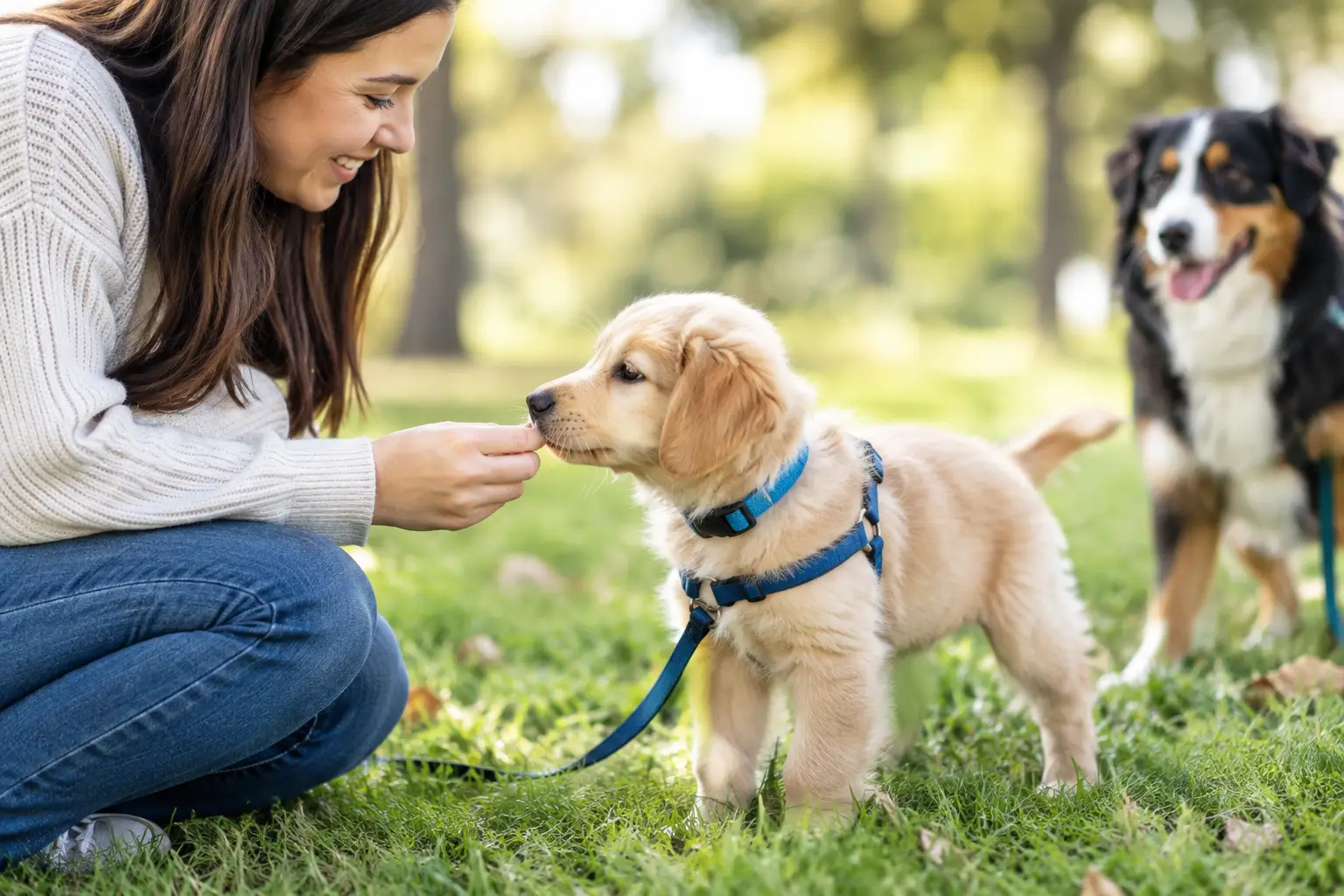
A puppy who happily trots toward a new sound, person, or place is not necessarily the boldest pup in the room. They are often the puppy who has learned, little by little, that new things can be safe. That is the heart of how to socialize a puppy safely: offering positive experiences at a pace your furry best friend can handle, while protecting their health and sense of security.
Socialization is not about making your puppy greet every dog at the park or tolerate being passed around by visitors. It is about helping them feel comfortable with the everyday world they will share with you – car rides, friendly strangers, children at a distance, grooming tools, household sounds, veterinary handling, and calm dogs. A gentle plan now can support happier outings and a more confident adult dog later.
Why the Early Weeks Matter So Much
Puppies are especially open to new experiences during their early developmental period, often before they are fully vaccinated. That timing can make new owners feel pulled in two directions: you want to protect your puppy from contagious illness, but you also do not want to miss valuable learning opportunities.
The good news is that safe socialization does not require risky exposure. You can introduce much of life from the safety of your home, your arms, a clean blanket, a stroller, or a well-managed visit with healthy, vaccinated dogs. Your veterinarian is your best partner in deciding which outings are appropriate based on your puppy’s age, vaccine schedule, local disease risks, and individual health.
The goal is not to check off dozens of experiences in a single week. One peaceful, pleasant encounter teaches more than several overwhelming ones. Think of confidence as something built through many small wins.
How to Socialize a Puppy Safely Before Full Vaccination
Until your veterinarian says your puppy can safely use public dog areas, skip dog parks, pet-store floors, busy communal potty spots, and places where unknown dogs may have been. Parvovirus and other illnesses can be serious, particularly for young puppies, so caution is loving care, not overprotection.
Instead, let your puppy observe the world without directly touching every part of it. Sit together on a clean bench or blanket outside a coffee shop, keeping your pup off the ground if recommended by your veterinarian. Offer tiny treats when a bus rumbles by, a neighbor rolls a trash bin down the driveway, or a jogger passes. The lesson is simple: unfamiliar sights and sounds predict good things.
At home, invite a few calm, dog-savvy visitors rather than hosting a busy puppy party. Ask guests to sit quietly, turn slightly sideways, and let your puppy choose whether to approach. A visitor should never reach over your puppy’s head, corner them, or insist on a cuddle. Your pup may be delighted to say hello, or they may prefer to watch from your lap. Both responses are okay.
For dog-to-dog practice, choose healthy, vaccinated adult dogs with a known gentle temperament. Short introductions in a clean private yard or home are usually easier to manage than a public setting. Keep leashes loose when possible and supervise closely. If either dog becomes stiff, overly excited, or uncomfortable, calmly create space and try another day.
Teach Your Puppy That Handling Feels Safe
Socialization includes the care your dog will need throughout life. A puppy who has practiced gentle handling is often better prepared for nail trims, brushing, ear checks, baths, and veterinary exams.
Start with very brief touch-and-treat sessions. Touch a paw, say a warm “yes,” and offer a small treat. Later, lift the paw for a second. Stroke an ear, reward, and stop. Show a brush, reward, then make one soft pass over the coat. These tiny exercises should feel like a game, not a test of patience.
The same approach helps with equipment. Let your puppy sniff their harness before you put it on. Pair the sound of a nail clipper opening and closing with treats before attempting a trim. Run a toothbrush gently along the outside of the mouth for a moment, then celebrate. If your puppy pulls away, reduce the difficulty. Trust grows when your pup learns they will be heard.
Follow Your Puppy’s Body Language
A wagging tail does not always mean a puppy is relaxed. Dogs communicate with their whole bodies, and their quieter signals deserve attention. When you notice early signs of stress, you can step in before your puppy feels frightened or trapped.
Common signs that your puppy may need more space include:
- Turning their head away, lip licking, yawning, or sniffing the ground when no food is present
- Crouching, tucking their tail, trembling, or trying to hide behind you
- Freezing, becoming unusually still, or staring intensely at a person, dog, or object
- Barking, growling, snapping, or repeatedly pulling away from the situation
Do not punish a growl. A growl is valuable information that your puppy is uncomfortable and needs help. Cheerfully move away, increase distance, and give them time to settle. Pushing through fear can make the experience harder next time, while a calm retreat teaches your puppy that you will keep them safe.
Make New Experiences Predictably Positive
Rewards are most useful when they arrive while your puppy notices something new and remains under their comfort threshold. If your puppy sees a skateboard from across the street and looks at it calmly, offer a treat. If they hear the vacuum start and stay relaxed, toss a few treats nearby. You are not bribing your puppy to endure something scary. You are helping them form a positive association before worry takes over.
Keep sessions short. Five cheerful minutes of watching school pickup from a comfortable distance may be plenty for a young puppy. End while your dog is still doing well, then head home for a nap. Puppies need a surprising amount of sleep, and an overtired pup is more likely to become cranky, fearful, or overly excited.
Variety matters, but so does gentleness. Over several weeks, introduce different surfaces, friendly people wearing hats or carrying umbrellas, car rides, doorbells, household appliances, and quiet trips near traffic. If you have children, teach them to let the puppy approach first and to pet softly along the shoulder or chest rather than hugging tightly. Supervise every interaction, even with kind children.
Choose Puppy Classes Carefully
A well-run puppy class can be a wonderful place to practice focus, handling, and calm interactions around other dogs. Look for a program that requires age-appropriate vaccinations, keeps groups small, cleans the training space carefully, and uses reward-based methods. The instructor should allow puppies to observe from a distance and should never force greetings.
A good class teaches owners, too. You should leave with practical skills for reading body language, rewarding calm behavior, and helping your puppy settle around distractions. If a setting feels chaotic, uses harsh corrections, or leaves your puppy consistently overwhelmed, it is okay to choose another option. The right class should help both of you feel supported.
When Your Puppy Has a Scary Moment
Even a thoughtful plan will include surprises. A delivery truck may backfire, a child may squeal, or another dog may bark suddenly. One startling moment does not ruin socialization. What matters is what happens next.
Create distance, speak softly, and give your puppy a chance to decompress. On another day, reintroduce a gentler version of the experience from farther away, paired with treats or play. For example, if your puppy was frightened by a loud vacuum, begin with the vacuum turned off across the room. Reward relaxed glances, then gradually work up to brief, low-intensity sound.
If your puppy shows persistent fear, frequent reactivity, or anxiety that interferes with daily life, talk with your veterinarian. They can rule out medical concerns and may recommend a qualified reward-based trainer or veterinary behavior professional. Early, compassionate support can make a meaningful difference.
Your puppy does not need to become friends with every person or dog they meet. The real win is raising a dog who can look to you for reassurance, move through the world with growing confidence, and know that new experiences will be met with patience, safety, and love.