
Choosing a dog is one of the most joyful decisions you’ll ever make, but finding the right match means understanding temperament. Every dog has a unique personality, but breed characteristics play a significant role in shaping behavior, energy levels, and how your furry friend interacts with your family. Whether you’re looking for a playful companion for your kids, a calm buddy for apartment living, or an energetic partner for outdoor adventures, knowing about the best dog breed temperament options helps you make an informed, heartwarming choice that leads to years of happiness together.
Understanding Dog Temperament and What It Really Means
Temperament refers to your dog’s natural disposition and how they typically respond to people, animals, and new situations. It’s the foundation of personality that includes traits like friendliness, confidence, anxiety levels, and energy. While individual dogs vary enormously, breed tendencies give us helpful starting points.
Key temperament traits to consider include:
- Friendliness toward strangers and other animals
- Energy levels and exercise requirements
- Trainability and eagerness to please
- Protective instincts and guarding behaviors
- Adaptability to change and new environments
- Patience with children and tolerance for handling
Research shows that genetics influence behavioral tendencies significantly. A comprehensive genomic study published in Cell revealed that domestic dog lineages contain genetic drivers that contribute to breed-associated behavioral trends, though individual variation remains substantial.
The American Temperament Test Society has conducted standardized testing for decades, measuring stability, shyness, aggressiveness, and friendliness across hundreds of breeds. Their data provides valuable comparative insights, though it’s essential to remember that individual dogs within any breed can differ dramatically from breed averages.
Best Dog Breed Temperament for Families with Children
Family-friendly dogs typically display patience, gentleness, and playfulness combined with moderate energy. These breeds have earned reputations for tolerating the unpredictable nature of children while remaining protective and loving.
Golden Retrievers: The Quintessential Family Dog
Golden Retrievers consistently rank among the best dog breed temperament choices for families. Their friendly, tolerant attitude makes them wonderful companions for children of all ages.
Why Golden Retrievers excel with families:
- Exceptionally patient and gentle with kids
- Eager to please, making training enjoyable
- Moderate to high energy perfect for active families
- Reliable, trustworthy temperament
- Sociable with other pets and strangers
Labrador Retrievers: Loyal and Outgoing
Labs share many qualities with Golden Retrievers but often bring slightly higher energy levels. They’re playful, devoted, and remarkably forgiving of mistakes young children might make during interactions.
Beagles: Compact and Merry
Beagles offer a smaller package with a cheerful disposition. They’re curious, friendly, and generally excellent with children, though their hound instincts mean they can be stubborn during training.
| Breed | Energy Level | Child Friendliness | Trainability | Size |
|---|---|---|---|---|
| Golden Retriever | High | Excellent | Excellent | Large |
| Labrador Retriever | Very High | Excellent | Excellent | Large |
| Beagle | Moderate-High | Very Good | Moderate | Small-Medium |
| Cavalier King Charles | Low-Moderate | Excellent | Good | Small |
| Boxer | High | Very Good | Good | Large |
Breeds with Calm, Gentle Temperaments for Relaxed Households
Not every family needs a high-energy companion. Some households thrive with dogs who prefer snuggling over sprinting, making peaceful, gentle breeds the best dog breed temperament match.
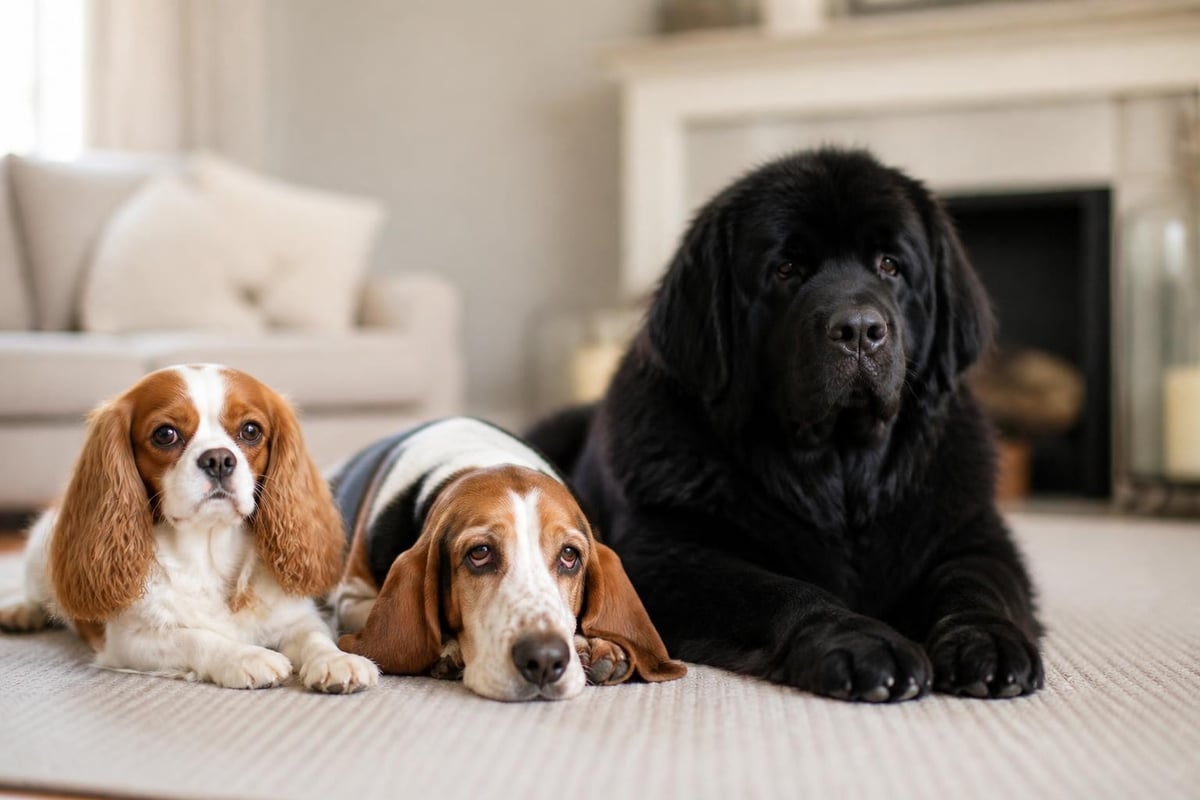
Cavalier King Charles Spaniels: Affectionate Lap Dogs
These small spaniels were bred specifically for companionship. They’re adaptable, gentle, and form deep bonds with their families. Cavaliers thrive in apartments or houses and adjust their energy to match their owners’ lifestyles.
Basset Hounds: Easygoing and Sweet
Despite their hunting heritage, Basset Hounds are remarkably laid-back. They’re patient, friendly, and content with moderate exercise, making them ideal for less active families.
Newfoundlands: Gentle Giants
These massive dogs possess surprisingly sweet, patient temperaments. Often called “nanny dogs,” Newfoundlands are protective yet gentle, combining calmness with loyalty.
The Cornell University College of Veterinary Medicine emphasizes that while breed tendencies matter, individual puppy temperament, parent behavior, and early socialization significantly affect adult personality. Meeting parent dogs and observing puppy behavior provides valuable insights beyond breed generalizations.
Active and Intelligent Breeds for Engaged Owners
Some families want partners for adventures, training challenges, and constant engagement. These breeds offer the best dog breed temperament for active, dedicated owners ready to invest time and energy.
Border Collies: Brilliant and Driven
Border Collies are arguably the most intelligent breed, capable of learning complex commands and tasks. They need substantial mental and physical stimulation but reward engaged owners with incredible loyalty and responsiveness.
Border Collie characteristics:
- Exceptional intelligence and trainability
- Very high energy requiring daily vigorous exercise
- Strong herding instincts that may direct toward children
- Intense focus and work drive
- Best suited for experienced, active owners
Australian Shepherds: Versatile and Energetic
Similar to Border Collies but often slightly more adaptable, Australian Shepherds excel in dog sports, hiking, and any activity involving their family. They’re affectionate, protective, and thrive on having a job to do.
German Shorthaired Pointers: Athletic Companions
These versatile hunting dogs combine athleticism with affection. They’re friendly, eager to please, and need extensive exercise but make wonderful companions for outdoor enthusiasts.
Protective Breeds with Loyal Temperaments
Some families specifically want dogs with protective instincts. These breeds naturally guard their families while maintaining stable, trustworthy temperaments when properly socialized.
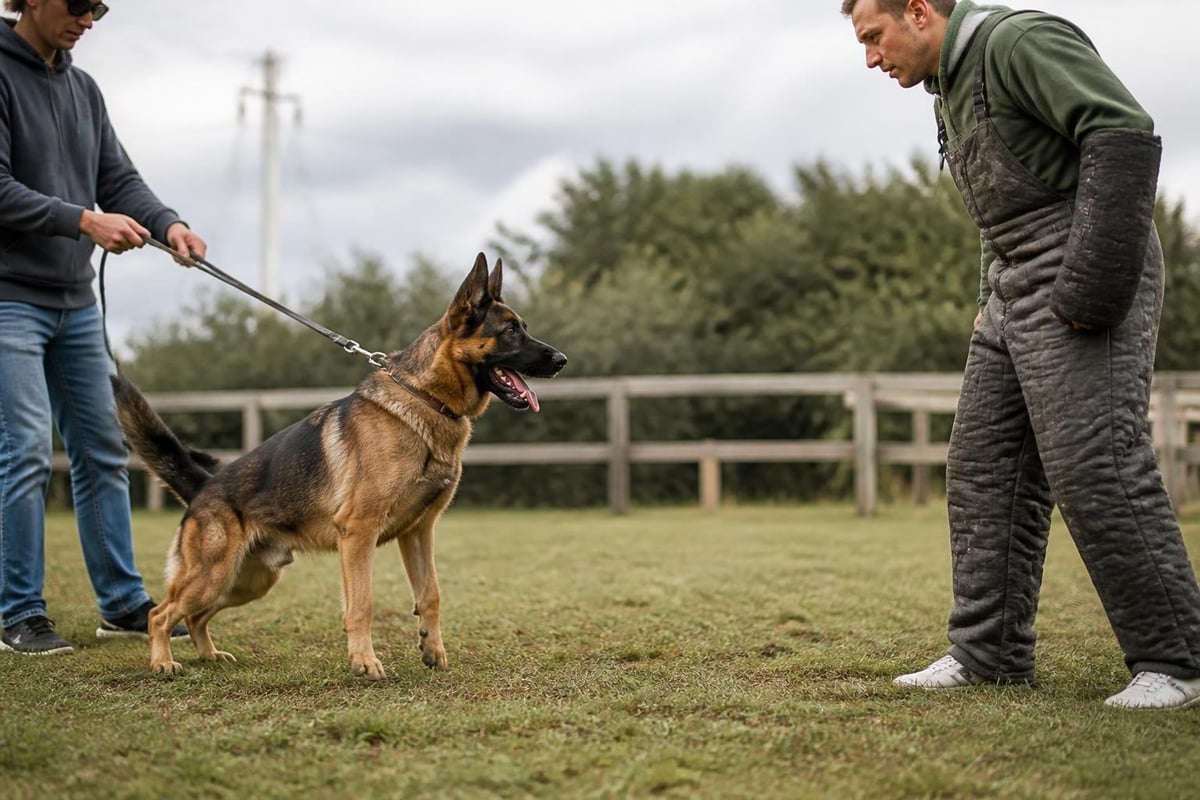
German Shepherds: Confident Guardians
German Shepherds balance protection with trainability. They’re confident, loyal, and highly intelligent, making them popular for both family companionship and working roles.
Doberman Pinschers: Alert and Devoted
Often misunderstood, well-bred and properly socialized Dobermans are loving family dogs with natural protective instincts. They’re athletic, intelligent, and form strong bonds with their families.
Rottweilers: Steady and Fearless
Rottweilers possess calm confidence combined with protective loyalty. They require experienced handling and consistent training but reward dedicated owners with unwavering devotion.
The ASPCA emphasizes that individual assessment, proper socialization, and training matter far more than breed labels when evaluating any dog’s behavior and temperament. Even protective breeds become wonderful family companions when raised with appropriate guidance and care.
Small Breeds with Big Personalities
Small dogs often pack enormous personality into compact packages. Finding the best dog breed temperament among smaller breeds means matching energy and attitude to your lifestyle.
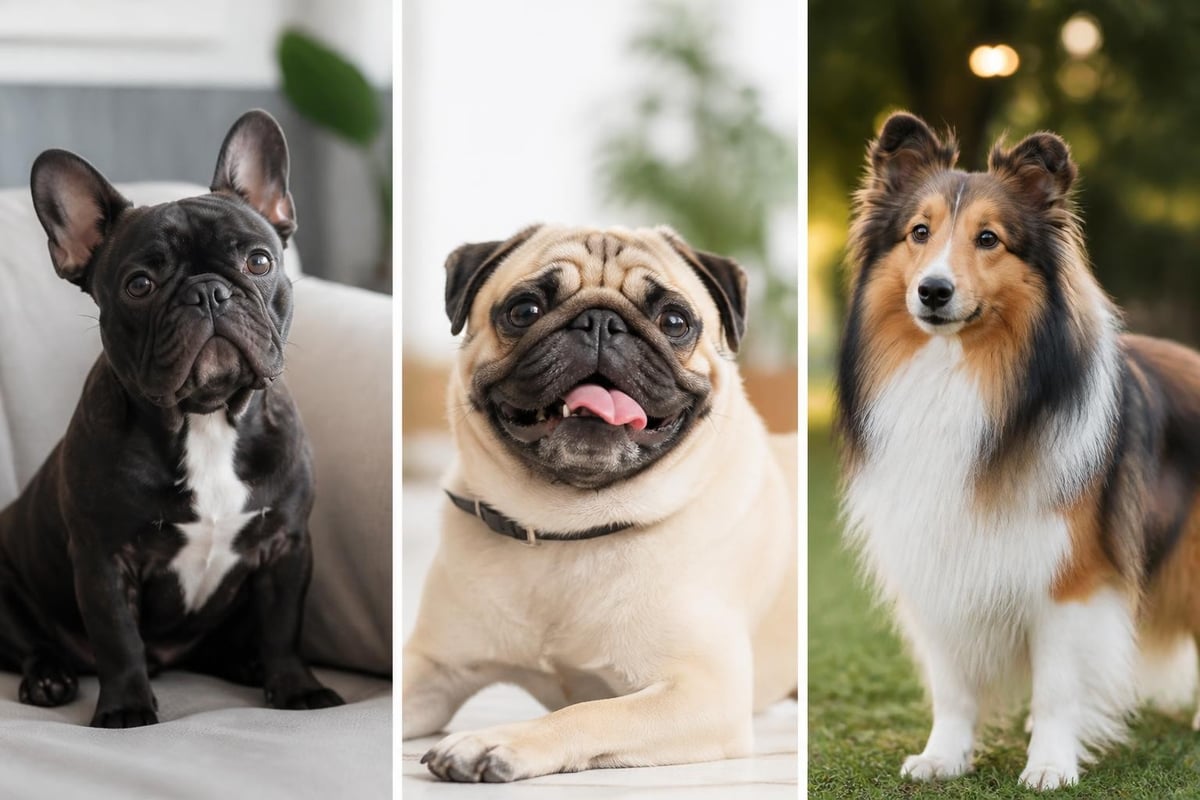
French Bulldogs: Playful and Adaptable
Frenchies are charming, affectionate, and relatively low-energy for their playful nature. They adapt well to apartment living and form close bonds with families.
Pugs: Sociable and Even-Tempered
Pugs are known for their friendly, stable temperaments. They’re excellent with children, other pets, and adapt to various living situations while maintaining cheerful dispositions.
Shetland Sheepdogs: Gentle and Trainable
Shelties offer herding intelligence in a smaller package. They’re gentle, responsive to training, and excellent with children, though they can be reserved with strangers.
| Small Breed | Temperament Highlights | Best For | Exercise Needs |
|---|---|---|---|
| French Bulldog | Playful, adaptable, affectionate | Apartments, families | Low-Moderate |
| Pug | Sociable, even-tempered, charming | First-time owners, seniors | Low |
| Shetland Sheepdog | Gentle, intelligent, trainable | Active families, training enthusiasts | Moderate |
| Bichon Frise | Cheerful, gentle, playful | Allergy sufferers, families | Moderate |
How to Evaluate Individual Temperament Beyond Breed
While breed tendencies guide expectations, every dog is an individual. Evaluating specific puppies or adult dogs ensures you find the right match regardless of breed reputation.
Meeting Parent Dogs
When selecting a puppy, observing parent dogs reveals valuable information about likely temperament. Friendly, confident parents typically produce similar offspring, though early experiences and training also shape personality.
Puppy Temperament Testing
Simple tests reveal personality differences among littermates. Observe how puppies react to new people, handle gentle restraint, and respond to sounds or novel objects. Confident, curious puppies who recover quickly from startling experiences often develop stable adult temperaments.
Adult Dog Assessment
Adopting adult dogs offers the advantage of established personalities. Spend time interacting with potential companions, observe their reactions to various situations, and ask shelter staff or rescue volunteers about behavior history.
Understanding standardized behavioral testing methods helps evaluate how different assessment approaches measure temperament and their limitations. No test perfectly predicts future behavior, but systematic observation provides helpful insights.
The Role of Socialization and Training in Temperament
Even dogs from breeds known for the best dog breed temperament require proper socialization and training to reach their potential. Genetics provide the foundation, but experiences shape the final personality.
Critical Socialization Periods
Puppies between 3 and 14 weeks old are especially receptive to new experiences. Positive exposure to various people, animals, environments, and situations during this window helps develop confident, well-adjusted adults.
Essential socialization experiences:
- Meeting diverse people (different ages, appearances, voices)
- Encountering other friendly, vaccinated dogs
- Experiencing various environments (urban, rural, indoor, outdoor)
- Hearing different sounds (traffic, appliances, thunderstorms)
- Handling and grooming practice
- Car rides and travel experiences
Consistent, Positive Training
Training builds communication and strengthens bonds while reinforcing desirable behaviors. Positive reinforcement methods work across all breeds and temperaments, creating happy, responsive companions.
The AKC recognizes various temperament testing programs that breed clubs use to certify stable temperaments. These programs encourage breeders to prioritize temperament alongside physical conformation.
Matching Temperament to Your Lifestyle
The truly best dog breed temperament isn’t universal but rather the perfect match for your specific situation. Honest self-assessment ensures lasting compatibility.
Consider Your Activity Level
High-energy breeds need vigorous daily exercise. If you’re not genuinely committed to long walks, runs, or play sessions, calmer breeds prevent frustration for both you and your dog.
Evaluate Your Experience
First-time owners often succeed better with eager-to-please, forgiving breeds. Strong-willed or highly intelligent dogs can challenge even experienced handlers.
Think About Your Living Situation
Apartment dwellers need dogs comfortable in smaller spaces with moderate exercise needs. Large properties suit high-energy breeds who need room to roam.
Factor in Family Composition
Households with young children benefit from patient, gentle breeds. Seniors might prefer calm, lower-maintenance companions. Active singles or couples can handle demanding, energetic dogs.
Frequently Asked Questions About Dog Breed Temperament
What breed has the best overall temperament?
No single breed has the “best” temperament for everyone. Golden Retrievers, Labrador Retrievers, and Cavalier King Charles Spaniels consistently rank highly for friendliness and adaptability, but the best dog breed temperament depends on your specific lifestyle, experience level, and what traits matter most to you.
Can training change a dog’s temperament?
Training influences behavior but doesn’t fundamentally change core temperament. A naturally shy dog can become more confident through positive experiences, and an energetic dog can learn impulse control, but basic personality traits remain relatively stable. Proper socialization and training help every dog reach their potential.
Are mixed-breed dogs’ temperaments unpredictable?
Mixed breeds combine traits from multiple backgrounds, but temperament isn’t necessarily more unpredictable than purebreds. Adult mixed-breed dogs show established personalities, and even mixed-breed puppies display observable temperament traits. Meeting parents (when possible) and assessing individual puppies provides good guidance.
Do male and female dogs have different temperaments?
Sex can influence temperament, though individual variation exceeds gender differences. Intact males often display more territorial and roaming behaviors, while females may show stronger nesting instincts. Spaying and neutering typically reduce hormone-driven behaviors, and training affects behavior more significantly than sex.
How important is the breeder in determining temperament?
Responsible breeders significantly impact temperament by selecting breeding dogs for stable personalities, providing excellent early socialization, and matching puppies to appropriate homes. Poor breeding practices and inadequate early experiences can undermine even breeds known for wonderful temperaments. Choosing ethical breeders or reputable rescues matters enormously.
At what age is a dog’s temperament fully developed?
Most dogs reach social maturity between 18 months and 3 years old, when adult temperament becomes established. Puppies show temperament tendencies early, but personalities continue developing through adolescence. Consistent training and positive experiences throughout this period shape adult behavior and confidence.
Finding the best dog breed temperament means understanding both breed tendencies and individual personality while honestly assessing your lifestyle and capabilities. Every dog deserves a home where their natural traits are appreciated and nurtured. Whether you choose an energetic Border Collie, a gentle Newfoundland, or a cheerful Beagle, the right match creates years of joy and companionship. Dog Care Guide is here to support your journey with practical tips on training, health, nutrition, and grooming that help your furry friend thrive. Explore our resources today to give your dog the loving care they deserve!
Category: Dog Breeds