
Keeping your furry friend looking and feeling their absolute best starts with understanding the fundamentals of proper grooming. When we talk about the best grooming dogs practices, we're really discussing a loving routine that strengthens your bond while protecting your pup's health. Grooming isn't just about aesthetics-it's a vital part of preventive care that lets you spot potential health issues early, keeps your dog comfortable, and creates those special moments of connection that make pet ownership so rewarding. Whether you're a first-time dog parent or a seasoned owner looking to refine your techniques, mastering these essential grooming skills will transform the way you care for your beloved companion.
Why Regular Grooming Matters for Your Dog's Health
Regular grooming sessions do so much more than keep your pup looking gorgeous. They're actually health checkpoints in disguise.
Every time you brush, bathe, or examine your dog, you're creating opportunities to catch problems before they become serious. Skin irritations, unusual lumps, parasites, and dental issues all become visible during routine grooming. This hands-on time helps you notice changes in your dog's body condition and behavior that might otherwise slip past unnoticed.
Physical and Emotional Benefits
The best grooming dogs routines deliver benefits that extend far beyond a shiny coat:
- Skin health: Brushing distributes natural oils and removes dead skin cells
- Circulation: Massage-like brushing stimulates blood flow
- Bonding: Regular gentle handling builds trust and strengthens your relationship
- Stress reduction: Familiar routines create comfort and security
- Early detection: Consistent examinations reveal health changes quickly
Mental well-being matters just as much as physical health. Dogs who experience cooperative care grooming from an early age tend to be calmer during veterinary visits and less anxious about handling overall.
Brushing Techniques for Different Coat Types
Not all coats are created equal, and understanding your dog's specific needs makes all the difference.
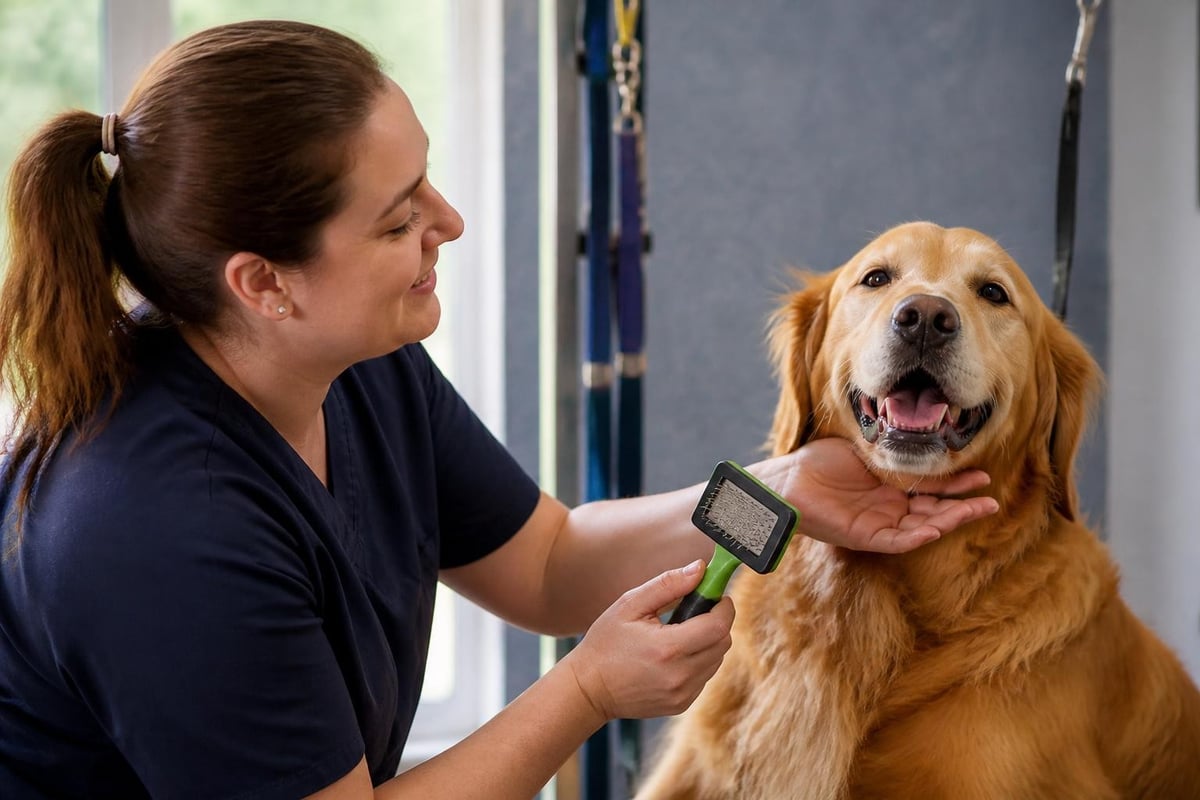
Short-haired breeds like Beagles and Boxers need weekly brushing with a bristle brush or rubber curry comb. These tools remove loose hair and distribute oils effectively without irritating the skin. Medium-length coats found on breeds like German Shepherds require more frequent attention-ideally every other day-using a slicker brush followed by a metal comb.
Long-Coated and Double-Coated Dogs
Long, flowing coats demand daily commitment. Breeds like Yorkshire Terriers, Maltese, and Afghan Hounds develop mats quickly without consistent care. Start at the ends and work toward the skin to gently remove tangles. A detangling spray can make this process easier and more comfortable for your pup.
Double-coated breeds such as Golden Retrievers, Huskies, and Collies shed their undercoat seasonally. During these periods, an undercoat rake becomes your best friend. Work in sections, brushing in the direction of hair growth, and never shave these breeds unless medically necessary-their coat regulates temperature year-round.
| Coat Type | Brushing Frequency | Recommended Tools | Special Considerations |
|---|---|---|---|
| Short | Weekly | Bristle brush, rubber curry | Quick sessions, focus on loose hair |
| Medium | Every 2-3 days | Slicker brush, metal comb | Check behind ears and underarms |
| Long | Daily | Pin brush, slicker, comb | Prevent mats, use detangler |
| Double-coat | Daily (2x during shedding) | Undercoat rake, slicker | Never shave, mind seasonal changes |
| Curly/Wiry | 2-3 times weekly | Slicker brush, stripping tools | Professional grooming helpful |
The AKC’s expert grooming tips emphasize starting every brushing session with a quick inspection for any skin changes or abnormalities.
Bathing Best Practices for the Best Grooming Dogs Results
How often should you bathe your dog? The answer depends on lifestyle, coat type, and skin condition.
Most healthy dogs benefit from bathing every 4-8 weeks. Over-bathing strips natural oils and can lead to dry, itchy skin. Active outdoor dogs or those with skin conditions may need more frequent baths with veterinarian-recommended shampoos.
The Perfect Bath Experience
- Pre-bath preparation: Brush thoroughly to remove mats and loose hair
- Water temperature: Use lukewarm water (test with your wrist)
- Protect sensitive areas: Place cotton balls gently in ears to prevent water entry
- Shampoo selection: Choose pH-balanced, dog-specific products
- Application technique: Lather from neck backward, saving the head for last
- Thorough rinsing: Leftover shampoo causes irritation-rinse twice
- Gentle drying: Towel dry, then use low-heat blow dryer if your dog tolerates it
Never use human shampoo on your dog. Our products have different pH levels that can disrupt their skin's natural balance and cause discomfort.
After bath time, many dogs get the "zoomies"-that adorable burst of energy where they race around. This is completely normal! Just make sure your pup is in a safe space where they won't slip or hurt themselves during their celebratory sprint.
Nail Trimming Without the Drama
Nail care ranks among the most challenging aspects of home grooming, but it's essential for your dog's comfort and mobility.
Overgrown nails change the way dogs walk, putting pressure on joints and potentially causing arthritis over time. They can also split or tear, creating painful injuries. For detailed guidance on creating a stress-free experience, check out our comprehensive guide on how to trim your dog’s nails at home.
Making Nail Trimming Positive
The best grooming dogs approach to nail care involves patience and positive reinforcement:
- Start handling paws from puppyhood
- Use high-value treats to create positive associations
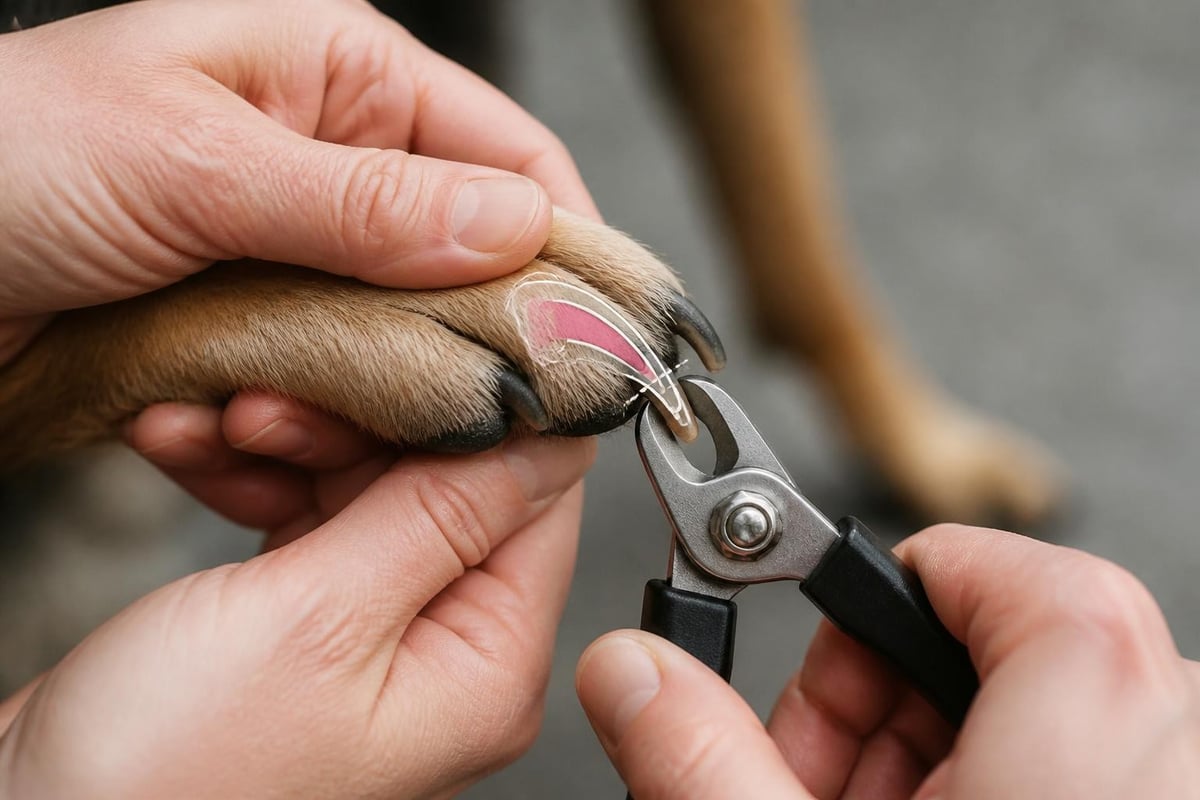
- Trim just the tip initially-better safe than hitting the quick
- Keep styptic powder nearby in case of bleeding
- Consider a nail grinder as an alternative to clippers
- If you see the quick (pink area), stop before reaching it
Some dogs prefer grinding to clipping because it's gradual and less likely to cause discomfort. The gentle vibration might feel odd at first, so introduce the tool slowly with lots of treats and praise.
Ear Cleaning and Dental Care Essentials
These often-overlooked areas are crucial components of complete grooming routines.
Ear Care Fundamentals
Dogs with floppy ears or those who swim regularly need weekly ear checks. Look for redness, unusual odor, excessive wax, or discharge-these signal potential infections requiring veterinary attention.
To clean healthy ears:
- Use a veterinarian-approved ear cleaning solution
- Fill the ear canal and massage the base gently
- Allow your dog to shake their head
- Wipe the outer ear with cotton balls
- Never insert anything deep into the ear canal
Certain dog breeds like Cocker Spaniels, Basset Hounds, and Poodles are especially prone to ear issues and benefit from more frequent monitoring.
Dental Hygiene Matters
Dental disease affects over 80% of dogs by age three, making oral care a non-negotiable part of grooming. The WSAVA’s Global Dental Guidelines emphasize that daily toothbrushing is the gold standard for home dental care.
Start with dog-specific toothpaste (never human products, which contain toxic ingredients). Let your pup lick the paste from your finger first, then gradually introduce the brush. Focus on the outer surfaces of teeth where plaque accumulates most. The VOHC provides excellent brushing techniques that make the process easier for beginners.
Even with excellent home care, professional dental cleanings remain important. Your veterinarian can recommend an appropriate schedule based on your dog's individual needs.
Seasonal Grooming Adjustments
Your dog's grooming needs shift with the calendar, and adapting your routine keeps them comfortable year-round.
Spring and Summer Considerations:
- Increase brushing frequency as dogs shed winter coats
- Check for ticks and fleas after outdoor adventures
- Trim paw hair to prevent grass seeds and debris collection
- Consider a summer trim for certain breeds (consult professionals first)
- Provide shade and water during grooming sessions
Fall and Winter Adaptations:
- Allow coats to grow fuller for natural insulation
- Protect paws from ice, salt, and chemicals with balms or boots
- Bathe less frequently unless your dog gets especially muddy
- Dry thoroughly after wet weather walks using our tips for caring for your dog after rainy walks
- Monitor skin for dryness caused by indoor heating
Climate plays a huge role too. Dogs in humid environments may need more frequent baths and ear cleaning, while those in dry climates benefit from moisturizing products and less frequent bathing.
Professional Grooming vs. Home Care
Deciding between DIY grooming and professional services depends on several factors.
Many owners successfully handle basic maintenance at home while scheduling professional appointments for complex tasks. This hybrid approach works beautifully for most families and keeps costs manageable while ensuring expert care when needed.
When to Seek Professional Help
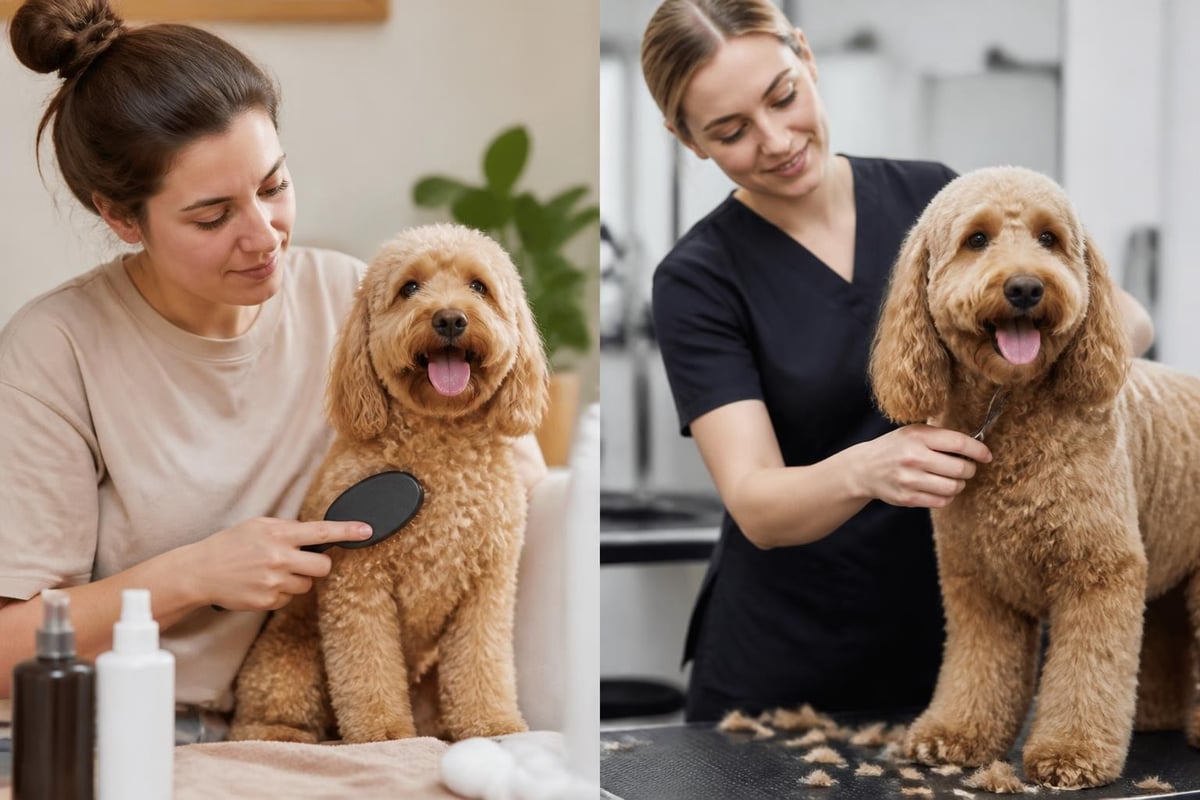
- Breeds requiring specific cuts (Poodles, Schnauzers, Terriers)
- Severely matted coats that are difficult to brush out
- Anal gland expression (unless you're trained and comfortable)
- Dogs who become extremely stressed or aggressive during grooming
- First-time grooming for puppies (learning from professionals helps)
Professional groomers trained according to AKC educational standards bring expertise in breed-specific styling, safe handling techniques, and specialized tools that most homes don't have.
Creating a Positive Grooming Routine
The secret to successful grooming lies in making it enjoyable rather than something your dog dreads.
Start young if possible. Puppies who experience gentle handling, grooming tools, and bathing early develop into cooperative adults. If you're working with an older dog or rescue who's nervous about grooming, take it slowly. Break tasks into tiny steps, reward heavily, and never force interactions that cause genuine fear.
Building Trust Through Grooming
Your energy matters enormously. Dogs pick up on our stress and anxiety, so approach grooming with calm confidence even if you're learning. Play soft music, use a non-slip mat for stability, and keep sessions short initially-10 to 15 minutes is plenty when starting out.
Make the grooming area comfortable and predictable. Use the same space, keep tools organized, and establish a consistent routine. Many dogs relax when they know exactly what to expect.
For more guidance on building cooperative behaviors, explore our collection of dog care tips that emphasize positive reinforcement and patience.
Grooming Tools Every Dog Owner Needs
Investing in quality tools makes grooming easier and more effective. You don't need everything immediately-build your collection based on your dog's specific needs.
Essential Starter Kit:
- Appropriate brush for your dog's coat type
- Nail clippers or grinder
- Dog-specific shampoo and conditioner
- Ear cleaning solution
- Toothbrush and toothpaste
- Styptic powder for nail accidents
- High-quality treats for positive reinforcement
Helpful Additional Tools:
- Detangling spray for longer coats
- Grooming table or non-slip mat
- Multiple towel sets
- Quiet blow dryer designed for pets
- Grooming scissors for trimming around paws and face
Quality tools last longer and work better. Cheap clippers can pull hair rather than cut it, and flimsy brushes break quickly. Consider this an investment in your dog's comfort and health.
Breed-Specific Grooming Needs
Different breeds come with unique grooming requirements that reflect their heritage and purpose.
French Bulldogs and other flat-faced breeds need special attention to facial folds, which can trap moisture and bacteria. Clean these wrinkles daily with a damp cloth and dry thoroughly. Breeds like Poodles require professional grooming every 6-8 weeks to maintain their signature clips and prevent matting.
Sporting breeds such as Retrievers shed heavily and benefit from weekly brushing that increases to daily during shedding seasons. Terriers often need hand-stripping to maintain coat texture, a skill best learned from professionals. Understanding your specific breed's needs helps you provide the best grooming dogs care possible.
Research your breed's requirements or ask your veterinarian and groomer for guidance. Each breed developed for specific work or environments, and their coats reflect those origins. Respecting these differences ensures you're meeting your dog's actual needs rather than following generic advice.
Common Grooming Mistakes to Avoid
Even well-intentioned owners sometimes make errors that can harm their dogs or make grooming harder than necessary.
Mistakes That Undermine Success:
- Skipping pre-bath brushing (creates impossible mats when wet)
- Using dull nail clippers (they crush rather than cut cleanly)
- Bathing too frequently (strips protective oils)
- Ignoring your dog's stress signals (creates negative associations)
- Cutting mats out carelessly (risks cutting skin underneath)
- Neglecting teeth until problems develop (prevention is easier than treatment)
Recognizing these pitfalls helps you avoid them. If you're unsure about a technique, ask for help. Your veterinarian, professional groomer, or experienced dog-owning friends can demonstrate proper methods and answer questions.
Learning the best grooming dogs practices is an ongoing journey. Every dog is unique, and what works perfectly for one might need adjustment for another. Stay flexible, observe your dog's responses, and adapt accordingly.
Managing Grooming Anxiety in Nervous Dogs
Some dogs find grooming stressful despite our best efforts, and that's okay. We can work with their fears compassionately.
Counter-conditioning changes emotional responses by pairing scary things with wonderful experiences. If your dog fears the nail clippers, start by placing them on the floor during treat time. Gradually move them closer over days or weeks, always stopping before your dog shows stress. Eventually, touch the clippers to a paw briefly, then immediately offer a jackpot of treats.
This process requires patience-sometimes weeks or months-but it creates lasting change rather than forced compliance. The same principles apply to baths, brushing, and all grooming activities.
Consider consulting a positive reinforcement trainer if anxiety is severe. They can create customized plans that address your dog's specific fears while teaching you handling techniques that reduce stress for both of you.
Frequently Asked Questions About Dog Grooming
How often should I groom my dog at home?
Brushing frequency depends on coat type: short coats weekly, medium coats every 2-3 days, and long or double coats daily. Nails typically need trimming every 3-4 weeks, ears should be checked weekly, and teeth brushed daily for optimal health. The best grooming dogs schedule fits seamlessly into your routine while meeting your pup's individual needs.
Can I use human products on my dog?
Never use human shampoo, conditioner, or toothpaste on dogs. Our products have different pH levels and may contain ingredients toxic to pets, including xylitol in toothpaste. Always choose veterinarian-approved, dog-specific grooming products that are formulated for their unique physiology and won't cause irritation or harm.
What if my dog has matted fur?
For minor mats, work them out gently with a detangling spray and slicker brush, starting from the outer edges. Never pull or yank. Severe matting requires professional grooming-attempting to remove extensive mats at home risks cutting skin. Prevention through regular brushing is always easier than dealing with established mats.
At what age should I start grooming my puppy?
Begin gentle handling and grooming exposure as early as 8 weeks old. Short, positive sessions teach puppies that grooming is normal and enjoyable. Early socialization to brushes, nail clippers, baths, and handling creates confident adult dogs who cooperate during grooming rather than fighting it.
How do I know if my dog needs professional grooming?
If your dog requires breed-specific cuts, has severe matting you can't safely remove, becomes aggressive during grooming attempts, or needs services you're uncomfortable performing (like anal gland expression), seek professional help. Many owners combine home maintenance with periodic professional appointments for the best results.
Should I trim my dog's coat in summer?
This depends entirely on breed and coat type. Never shave double-coated breeds, as their coat provides insulation from both cold and heat. Some single-coated breeds benefit from light trims in hot weather, but always consult a professional groomer familiar with your breed before making significant coat changes that could affect temperature regulation.
Regular grooming transforms from a chore into a cherished ritual when approached with knowledge, patience, and the right techniques. By implementing these best grooming dogs practices, you're not just maintaining your pup's appearance-you're actively protecting their health, strengthening your bond, and creating positive experiences that make both of you happier. At Dog Care Guide, we're passionate about helping you build joyful routines that keep your furry friend looking gorgeous and feeling fantastic every single day. Ready to elevate your grooming game? Explore our complete library of practical tips, heartwarming advice, and expert guidance designed specifically for devoted dog parents like you.