
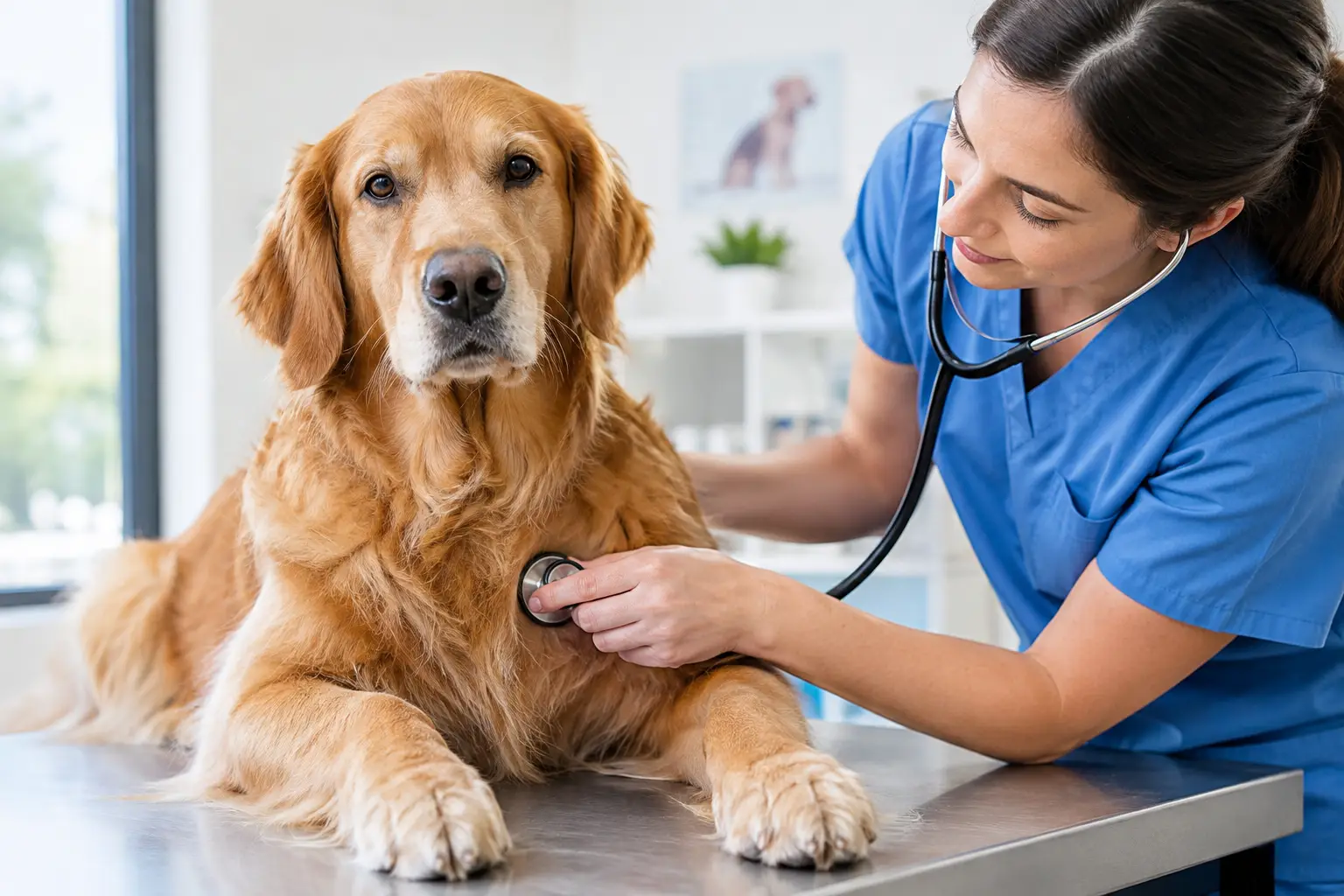
Your dog may still wag their tail, greet you at the door, or accept a favorite treat when something is wrong. That is why knowing the signs your dog needs to see a vet matters so much. Dogs often hide discomfort, and small changes in their normal routine can be your earliest clue that your furry best friend needs help.
You know your pup better than anyone else. A single sleepy afternoon after a big hike may not be alarming, but a change that is sudden, severe, or lasting deserves attention. Trust your observations, stay calm, and call your veterinary team when you are unsure. Asking is never overreacting when it comes to your dog’s health.
When a Dog Needs Emergency Veterinary Care
Some symptoms should not wait for a regular appointment. Call your veterinarian, an emergency animal hospital, or a pet poison resource right away if your dog has any of these warning signs:
- Trouble breathing, blue or very pale gums, choking, or repeated coughing with distress
- Collapse, fainting, a seizure lasting more than a few minutes, or repeated seizures
- A swollen, hard, painful belly, especially with unproductive retching or restlessness
- Heavy bleeding, a serious injury, suspected poisoning, or heatstroke
- Inability to urinate, sudden paralysis, or severe weakness
Breathing difficulty, bloat, toxin exposure, and urinary blockages can worsen fast. Do not try to diagnose the problem at home or force food, water, or medication unless a veterinary professional tells you to do so. If possible, phone ahead so the clinic can prepare for your arrival.
1. Appetite or Thirst Changes That Continue
Skipping one meal can happen, particularly after travel, a stressful event, or a change in routine. But refusing food for more than a day, eating much less than usual, or suddenly acting ravenous can signal illness. Dental pain, nausea, digestive trouble, kidney disease, diabetes, and many other conditions can affect appetite.
A marked increase in thirst is also worth a call, especially if your dog is urinating more often, having indoor accidents, or waking overnight to drink. Measure roughly how much water you refill and note when the change began. That simple detail can help your vet.
2. Vomiting or Diarrhea That Is Severe or Ongoing
A single episode of vomiting in an otherwise bright, comfortable dog may resolve with veterinary guidance and a little monitoring. Repeated vomiting, diarrhea that lasts longer than a day, or either symptom paired with lethargy, pain, fever, or refusal to drink is more concerning.
Blood in vomit or stool, black tarry stool, and frequent straining are reasons to seek prompt care. Puppies, senior dogs, and small dogs can become dehydrated more quickly than healthy adult dogs, so the safe waiting period may be shorter. Keep your pup away from table scraps and do not offer human stomach remedies unless your vet specifically approves them.
3. Changes in Breathing, Coughing, or Stamina
A dog who pants after a summer walk is not necessarily sick. But panting while resting in a cool room, labored breathing, wheezing, or a new cough needs veterinary attention. Listen for unusual noises and watch whether your dog’s chest and belly seem to work hard with each breath.
You may also notice that your normally enthusiastic walking buddy lags behind, stops often, or cannot settle after gentle activity. Heart, lung, airway, pain, and heat-related conditions can all change stamina. Keep exercise light until you have spoken with the vet, particularly if the change is sudden.
4. Pain, Limping, or Trouble Getting Comfortable
Dogs do not always cry out when they hurt. Pain can look like reluctance to climb stairs, hesitation before jumping onto the couch, limping, trembling, hiding, licking one spot repeatedly, or becoming unusually quiet. Some dogs become irritable when touched because they are trying to protect a sore area.
A limp that does not improve after a short period of rest should be checked. A limp after a fall, a limp with swelling, or any inability to bear weight calls for more urgent care. Avoid testing a painful leg by bending it or pressing on it. Instead, limit activity, use a leash for potty breaks, and let the veterinarian guide the next step.
5. Urination or Bowel Habit Changes
Straining to urinate, producing only drops, crying during urination, or seeing blood in the urine are clear signs your dog needs to see a vet. Male dogs, in particular, can develop life-threatening urinary blockages, but any dog who cannot pass urine needs immediate help.
Constipation can also be uncomfortable and sometimes serious. If your dog repeatedly squats without producing stool, has a swollen belly, or seems painful or weak, call promptly. Take note of frequency, stool appearance, and whether your dog may have swallowed a toy, bone, fabric, or other item.
6. Eye, Ear, Skin, or Mouth Problems
A red, squinting, cloudy, swollen, or discharge-filled eye is not a wait-and-see symptom. Eye injuries and infections can become painful quickly, and early treatment can help protect vision. Keep your dog from rubbing the eye if you can, but do not use leftover drops from another pet.
Persistent head shaking, a foul ear odor, crusty skin, hot spots, sudden hair loss, or nonstop scratching also deserve a veterinary conversation. Allergies are common, but so are infections and parasites. The right treatment depends on the cause, so guessing with medicated shampoos or creams can delay relief.
Bad breath that is new or strong, drooling, dropping food, pawing at the mouth, or chewing on one side may point to painful dental disease or an object stuck in the mouth. Never reach into a frightened dog’s mouth unless it is safe to do so.
7. Behavior Changes That Feel Out of Character
Behavior is health information. A friendly dog who starts avoiding family members, a house-trained dog who has sudden accidents, or a playful pup who withdraws may be communicating discomfort, anxiety, or illness. Older dogs can also show confusion, nighttime restlessness, or changes in sleep that deserve a gentle veterinary assessment.
Look for patterns rather than labeling your dog as stubborn or difficult. When did the behavior start? Does it happen around meals, movement, touch, or a certain time of day? Calm notes and short videos can give your vet a clearer picture than memory alone.
8. Lumps, Swelling, or Unexpected Weight Change
Many dogs develop harmless fatty lumps as they age, but no lump can be identified by appearance alone. Schedule an exam for any new bump, one that grows, changes shape, bleeds, feels firm, or seems painful. Your veterinarian may recommend a simple needle sample to learn what it is.
Weight loss without an intentional diet change can be easy to miss beneath a fluffy coat. Feel for more prominent ribs, hips, or spine, and pay attention if your dog loses muscle or their collar suddenly fits loosely. Rapid weight gain can matter, too, particularly when paired with belly enlargement, low energy, or increased thirst.
How to Decide Whether to Call the Vet
You do not need to solve the medical mystery before calling. A helpful rule is to consider severity, duration, and your dog’s baseline. Sudden symptoms, severe symptoms, or symptoms that are getting worse should move up the urgency scale. A mild issue that lasts longer than expected should, too.
Before you call, write down when the problem began, what your dog ate, any possible toxin or foreign-object exposure, medications and supplements, and changes in drinking, bathroom habits, energy, or behavior. If safe, take a photo of a rash or a video of coughing, limping, or unusual breathing. Do not delay emergency care just to gather evidence.
Your veterinarian may suggest home monitoring, a same-day appointment, or immediate emergency care. Follow that guidance even if your dog seems a little better by the time you hang up. Dogs can have good moments in the middle of a problem, and your attentive care gives them the best chance to feel like themselves again.
The goal is not to worry over every tiny change. It is to notice your dog’s normal rhythms, respond with patience, and speak up when something feels off. That loving habit helps your pup feel safer, more comfortable, and ready for many more happy days by your side.