
Choosing the right service dog involves understanding which breeds naturally excel at helping humans with disabilities and medical conditions. While any dog with the right temperament can potentially become a service animal, certain breeds have consistently proven themselves as exceptional partners. These good breeds for service dogs share common traits like intelligence, trainability, calmness under pressure, and a genuine desire to work alongside their handlers. Whether you're considering a service dog for mobility assistance, psychiatric support, or medical alert work, knowing which breeds typically succeed can help you make an informed decision that benefits both you and your future canine companion.
What Makes Certain Breeds Excel as Service Dogs
The foundation of any successful service dog partnership starts with temperament rather than breed alone. However, certain breeds have been selectively bred for generations to possess the exact qualities that service dog training programs value most.
Key temperament traits include:
- Eagerness to please and strong handler focus
- Calm demeanor in crowded, noisy environments
- Consistent, predictable responses to training
- Natural problem-solving abilities
- Low prey drive and controlled reactivity
Good breeds for service dogs typically demonstrate these characteristics from puppyhood, making the training process smoother and more reliable. Research has shown that objective temperament measures can predict service dog success beyond simple breed labels, emphasizing that individual assessment matters tremendously.
Physical and Health Considerations
Beyond temperament, physical attributes play a crucial role in service work longevity. Larger breeds often handle mobility assistance tasks like balance support and wheelchair pulling, while medium-sized dogs may excel at medical alert work without causing tripping hazards.
Health matters significantly because service dogs typically work 8-10 years or longer. The VA’s service dog health benefits program recognizes that selecting breeds with fewer genetic health issues reduces long-term costs and ensures consistent support for handlers.
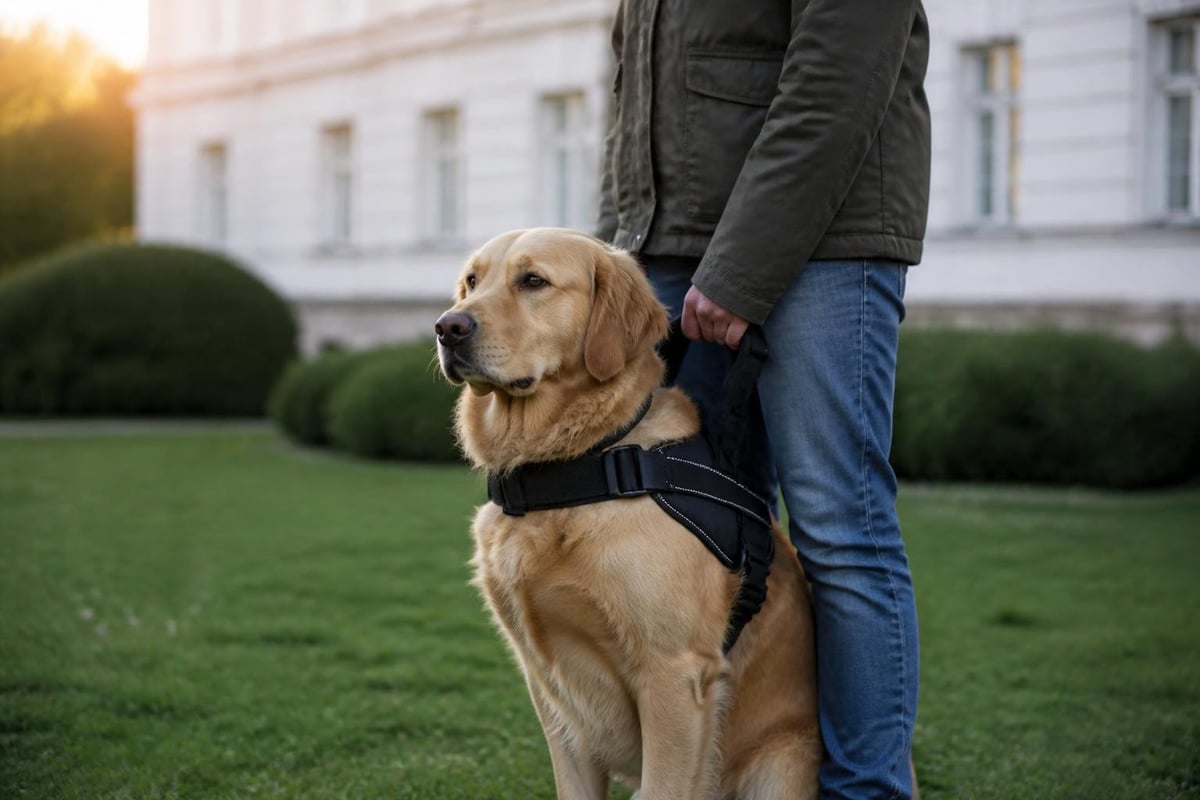
Top Good Breeds for Service Dogs
Let's explore the breeds that consistently demonstrate excellence across various service roles, keeping in mind that individual dogs within these breeds can vary significantly.
Labrador Retrievers
Labrador Retrievers have dominated service dog programs for decades, and for excellent reasons. Their friendly, outgoing nature combined with exceptional trainability makes them versatile workers.
Why Labs excel:
- Medium to large size suitable for mobility tasks
- Gentle mouth for retrieving items without damage
- Stable temperament across various situations
- High food motivation aids training
- Strong swimming ability for water rescue tasks
Labs work successfully as guide dogs, diabetic alert dogs, PTSD service dogs, and autism support companions. Their popularity means extensive breeding programs focus on health testing, though prospective handlers should still verify hip, elbow, and eye clearances from reputable breeders.
Golden Retrievers
Golden Retrievers share many qualities with Labs but bring their own special strengths to service work. Their empathetic nature makes them particularly effective for psychiatric service roles.
These beautiful dogs demonstrate remarkable patience with repetitive tasks and maintain focus even during extended working periods. Many popular service dog programs specifically breed Golden Retrievers for guide work and autism assistance because of their gentle, intuitive responses to handler stress.
| Breed Trait | Labrador Retriever | Golden Retriever | German Shepherd |
|---|---|---|---|
| Size Range | 55-80 lbs | 55-75 lbs | 50-90 lbs |
| Energy Level | High | Moderate-High | High |
| Grooming Needs | Low | Moderate-High | Moderate |
| Common Roles | Guide, Mobility, Diabetic Alert | Psychiatric, Autism, PTSD | Mobility, Protection, PTSD |
| Trainability | Excellent | Excellent | Excellent |
German Shepherds
German Shepherds bring intelligence, loyalty, and protective instincts that make them outstanding service partners for specific roles. Their strong work ethic and natural alertness serve mobility-impaired handlers who need both physical assistance and security awareness.
These good breeds for service dogs require experienced handlers because their intelligence demands consistent mental stimulation. They excel at complex task sequences and can learn an extensive repertoire of commands. However, their protective nature needs careful socialization from puppyhood to ensure appropriate responses in public settings.
Standard Poodles
Don't let their fancy haircuts fool you. Standard Poodles rank among the most intelligent, trainable breeds available for service work. Their hypoallergenic coat benefits handlers with allergies, though no dog is truly 100% hypoallergenic.
Standard Poodles demonstrate exceptional problem-solving skills and adapt quickly to new environments. They're particularly effective as psychiatric service dogs and medical alert dogs because of their attentiveness to subtle handler cues. Their athletic build supports mobility tasks despite their elegant appearance.
Bernese Mountain Dogs and Other Gentle Giants
For handlers needing significant physical support, larger breeds like Bernese Mountain Dogs, Great Danes, and Newfoundlands provide stability and strength. These gentle giants typically have calm, patient temperaments perfectly suited to mobility assistance.
Considerations for large breeds:
- Shorter average lifespan (7-10 years)
- Higher food and veterinary costs
- Need for vehicle modifications for transport
- Excellent for counterbalance and bracing work
- Gentle with children and other animals
Matching Breed Characteristics to Service Roles
Different service roles demand specific breed strengths, and understanding these connections helps handlers choose appropriate partners for their needs.
Mobility Assistance Dogs
Mobility work requires strength, stability, and the right body structure to perform tasks safely. Good breeds for service dogs in this category typically weigh 55 pounds or more to provide effective counterbalance and bracing support.
Tasks include:
- Picking up dropped items
- Opening and closing doors
- Turning lights on and off
- Pulling wheelchairs
- Providing stability during transfers
Labrador Retrievers, Golden Retrievers, and German Shepherds dominate this category, though Standard Poodles and rough Collies also succeed when matched with appropriate handlers.
Medical Alert Dogs
Dogs that detect blood sugar changes, oncoming seizures, or cardiac episodes need exceptional scenting abilities and strong handler focus. While many breeds can learn alert behaviors, some demonstrate natural aptitude for detecting physiological changes.
Good breeds for service dogs performing medical alerts often include sporting and herding breeds with generations of selective breeding for scent work and attention to human behavioral cues. The training process for service dogs emphasizes that success depends heavily on individual temperament testing rather than breed alone.
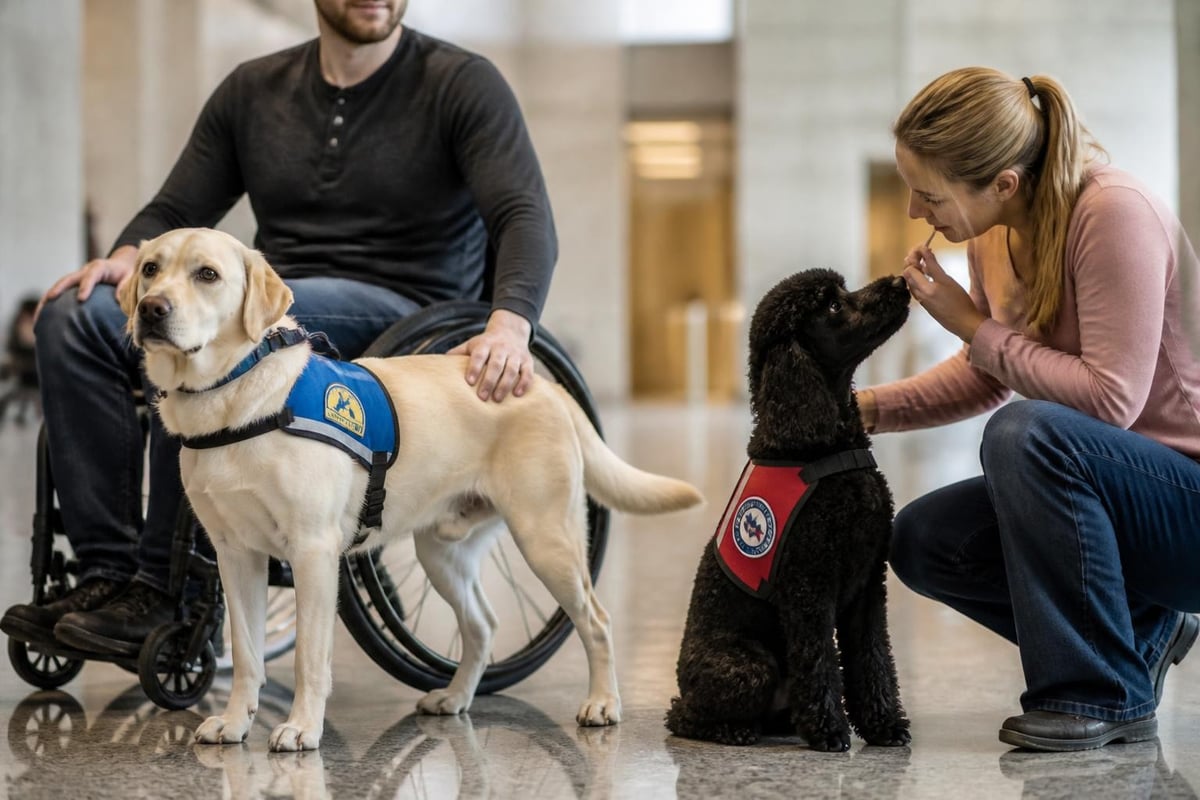
Psychiatric Service Dogs
Handlers with PTSD, anxiety disorders, depression, or other psychiatric conditions benefit from dogs with naturally empathetic, calming presences. These good breeds for service dogs often have lower energy levels and strong emotional intuition.
Golden Retrievers, Cavalier King Charles Spaniels, and Standard Poodles frequently excel in psychiatric roles because they naturally attune to handler emotions and provide grounding during episodes. Their gentle persistence helps handlers maintain routines even during difficult mental health days.
Beyond Breed: Individual Assessment Matters
While discussing good breeds for service dogs provides helpful guidance, remember that breed alone doesn’t determine service dog suitability. The Americans with Disabilities Act specifically prohibits denying access based on breed, recognizing that individual temperament matters more than genetics.
Professional service dog programs use comprehensive temperament testing that evaluates:
- Sound sensitivity and startle recovery
- Novel object investigation
- Social engagement with strangers
- Frustration tolerance during delayed gratification
- Body handling acceptance
- Environmental confidence
Assistance Dogs International standards require member programs to assess dogs individually rather than relying solely on breed stereotypes. This approach acknowledges that exceptional service dogs can come from unexpected backgrounds, including well-selected rescue dogs.
The Role of Early Socialization and Training
Even the best genetics won't produce a reliable service dog without proper early experiences. Puppies destined for service work need exposure to diverse environments, people, and situations between 8 and 16 weeks of age.
Critical socialization experiences include:
- Various floor surfaces (tile, carpet, grating, gravel)
- Elevator rides and automatic doors
- Crowds and quiet spaces
- Children and elderly individuals
- Other animals and traffic noise
These early experiences, combined with basic obedience training similar to crate training fundamentals, build confidence and adaptability. Good breeds for service dogs with poor early socialization may struggle despite excellent genetic potential.
Health and Wellness Considerations
Service dogs work hard, and their physical wellbeing directly impacts their ability to assist handlers reliably. Selecting breeds with documented health testing reduces the likelihood of early retirement due to medical issues.
Essential Health Screenings
Responsible breeders of good breeds for service dogs conduct comprehensive health testing before breeding. Minimum screenings vary by breed but typically include:
| Health Test | Affected Breeds | Importance for Service Work |
|---|---|---|
| Hip Dysplasia (OFA/PennHIP) | Large breeds | Critical for mobility dogs |
| Elbow Dysplasia | Large breeds | Essential for weight-bearing tasks |
| Eye Clearances (CERF) | All breeds | Vital for guide work |
| Cardiac Evaluation | Giant breeds, Spaniels | Prevents sudden collapse |
| Von Willebrand's Disease | Dobermans, Poodles | Blood clotting disorder screening |
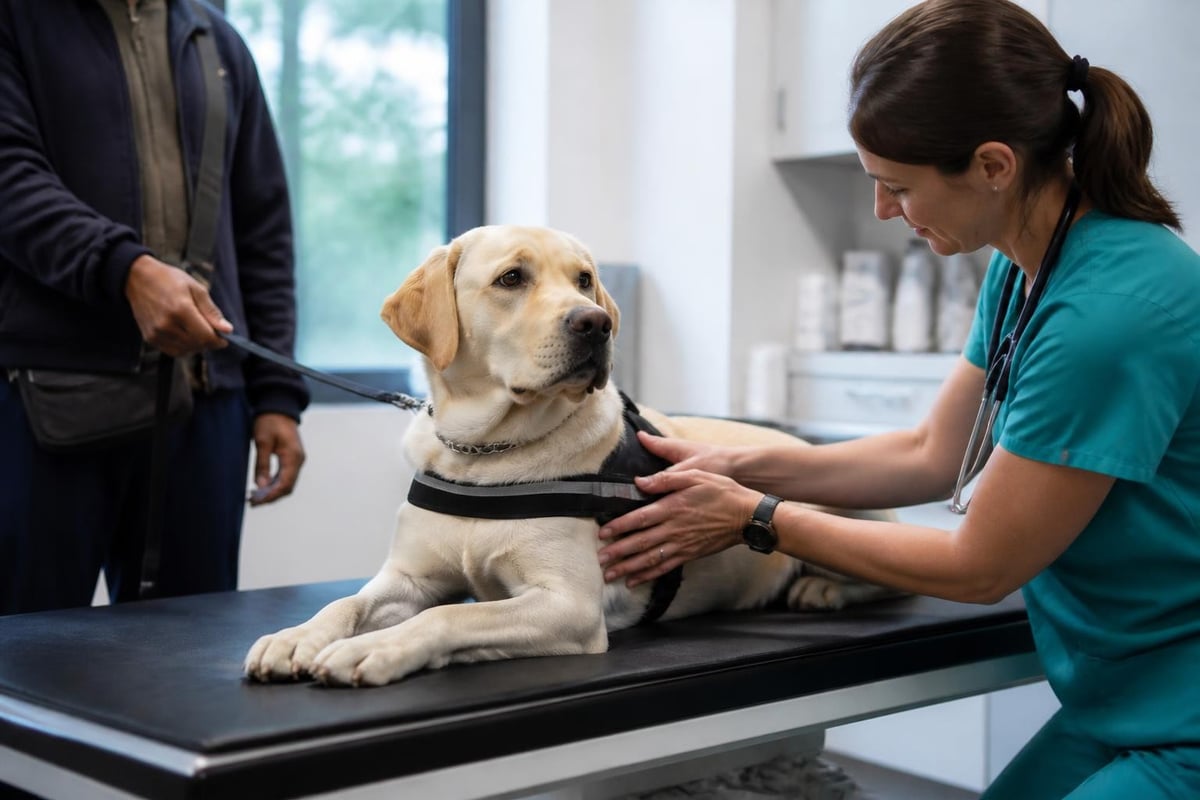
Understanding health and nutrition needs specific to your chosen breed helps maintain working ability throughout the dog's career. Regular veterinary care, similar to preparing for vet visits, ensures early detection of any developing issues.
Lifespan and Working Years
Most good breeds for service dogs work actively for 8-10 years before retirement, though this varies by individual health and job demands. Larger breeds typically have shorter working careers than medium-sized dogs, influencing long-term planning for handlers who depend on continuous assistance.
The VA recognizes service dog longevity concerns and provides support for maintaining working dogs' health throughout their careers. Planning for eventual retirement, including financial considerations for senior dog care, should begin when selecting a service dog candidate.
Training Approaches for Different Breeds
While good breeds for service dogs share common trainability, each breed responds best to slightly different training approaches that match their natural drives and learning styles.
Retriever Training Strategies
Labrador and Golden Retrievers respond enthusiastically to positive reinforcement training using food rewards and play. Their natural retrieving instinct makes teaching item pickup simple, though trainers must ensure precision to prevent sloppy habits.
These breeds typically enjoy repetition more than some others, making them forgiving of handler training mistakes. However, their food motivation can lead to weight issues without careful portion control and regular exercise, which ties into broader dog care tips for maintaining working dogs.
Herding Breed Considerations
German Shepherds and other herding breeds bring intense focus and quick learning to service work but may develop obsessive behaviors without proper mental stimulation. These dogs need clear, consistent communication and benefit from task variety.
Training approaches emphasizing problem-solving and decision-making within boundaries work well for herding breeds. Their natural alertness makes them excellent PTSD service dogs but requires socialization to prevent overprotectiveness. Check out our guide on training and behavior for more insights on working with intelligent, driven breeds.
Working with Poodles and Other Intelligent Breeds
Standard Poodles and similar highly intelligent breeds can become bored with repetitive training sessions. They excel when training incorporates mental challenges and variety, though this same intelligence means they'll find creative ways around unclear rules.
These good breeds for service dogs benefit from handlers who enjoy training as an ongoing relationship rather than a one-time process. Their sensitivity to handler emotions makes them intuitive partners but requires trainers to maintain calm, positive energy during sessions.
Practical Considerations for Service Dog Ownership
Beyond selecting good breeds for service dogs, prospective handlers must consider lifestyle factors that impact successful partnerships.
Housing and Space Requirements
While service dogs have legal access rights under the ADA, they still need appropriate living spaces at home. Larger breeds require room to move comfortably and space for equipment storage like vests, leashes, and training tools.
Space considerations include:
- Indoor resting area away from household traffic
- Outdoor elimination area with easy access
- Safe vehicle transport accommodations
- Climate control for breed-appropriate comfort
- Storage for food, supplies, and grooming equipment
Grooming and Maintenance
Different good breeds for service dogs require varying grooming commitments. Understanding these needs prevents surprise time and cost burdens.
Short-coated breeds like Labrador Retrievers need weekly brushing and occasional baths, while long-coated Golden Retrievers and Poodles require more frequent grooming. Regular grooming routines including teeth brushing and nail trimming maintain health and professional appearance essential for public access work.
Poodles need professional grooming every 6-8 weeks, adding significant ongoing costs. However, their low-shedding coat benefits handlers with allergies and reduces dog hair on clothing during public outings.
Financial Investment
Service dogs represent substantial financial commitments extending beyond initial purchase or training program fees. Annual costs include:
- High-quality nutrition ($800-1,500)
- Routine veterinary care ($500-1,000)
- Emergency medical fund ($1,000+ reserve)
- Grooming supplies or professional services ($200-1,200)
- Equipment replacement (vests, leashes, harnesses) ($200-400)
- Continuing education and task training ($100-500)
Some programs and organizations offer financial assistance for service dog acquisition and maintenance, particularly for veterans and individuals with specific disabilities.
Frequently Asked Questions
What is the best breed for first-time service dog handlers?
Labrador Retrievers and Golden Retrievers typically make excellent choices for first-time handlers because of their forgiving nature and strong desire to please. These good breeds for service dogs adapt well to handler learning curves and maintain steady temperaments during training inconsistencies. However, working with a professional trainer regardless of breed dramatically increases success rates for new handlers.
Can small breeds be effective service dogs?
Absolutely! While mobility assistance requires larger dogs, small breeds like Papillons, Miniature Poodles, and Cavalier King Charles Spaniels excel as psychiatric service dogs and medical alert dogs. Their smaller size offers advantages in tight spaces and reduces physical strain on handlers who need to lift their dogs occasionally. The ADA protects service dogs of all sizes equally in public access situations.
How long does it take to train a service dog?
Training timelines vary significantly based on the dog's starting age, the complexity of required tasks, and the handler's experience. Most good breeds for service dogs require 18-24 months of training before reliably performing public access work. Puppies typically begin basic obedience and socialization immediately, progress to task training around 6-8 months, and refine skills through adolescence. Some simple tasks may be learned in weeks, while complex alert behaviors can take years to perfect.
Are rescue dogs suitable for service work?
Rescue dogs can become excellent service animals when carefully evaluated for temperament and health. While purpose-bred service dog lines offer predictability, individual rescue dogs sometimes possess ideal characteristics for specific roles. Programs like Assistance Dogs International recommend comprehensive temperament testing and health screening for rescue candidates, typically selecting younger dogs (under 2 years) with known histories. Adult rescue dogs may succeed in less demanding roles or as emotional support animals if they don't meet full service dog criteria.
What happens when a service dog retires?
Most service dogs retire between 8-12 years old, depending on breed, health, and job demands. Many handlers keep their retired service dogs as pets while training a successor, creating an overlap period that ensures continuous assistance. Some retirement programs match former service dogs with adoptive families who understand their special needs and training backgrounds. Handlers should plan financially for retired dogs' ongoing care, as these loyal companions deserve comfortable, healthy senior years after their service careers.
Do service dogs need special veterinary care?
While good breeds for service dogs don't necessarily need different medical care than pets, their working status demands more vigilant health monitoring. Regular veterinary visits help identify minor issues before they impact working ability. Service dogs benefit from preventive care including joint supplements for mobility dogs, dental care to prevent tooth loss affecting retrieving tasks, and weight management to protect joints and extend working years. Some veterinarians offer discounted services for working service dogs, recognizing their essential role in handler independence.
Selecting from good breeds for service dogs involves balancing temperament, physical capabilities, health considerations, and your specific assistance needs to find a true partner. Whether you choose a Labrador Retriever, Standard Poodle, German Shepherd, or another suitable breed, remember that individual temperament and proper training matter as much as genetics. At Dog Care Guide, we're here to support you through every stage of your service dog journey with practical, cheerful guidance on grooming, training, health, and nutrition that helps you pamper and protect your exceptional working companion.