
Finding the right boarding facility for a reactive dog can feel overwhelming. Your beloved companion deserves exceptional care, especially when they struggle with fear, anxiety, or aggression around other dogs or people. Searching for "reactive dog boarding near me" is the first step toward ensuring your furry friend receives specialized attention during your time away. This comprehensive guide will walk you through everything you need to know about selecting a boarding facility that understands and accommodates reactive dogs, making the experience safe and comfortable for everyone involved.
Understanding Reactive Dog Behavior and Special Needs
Reactive dogs aren't bad dogs. They're simply dogs who respond intensely to specific triggers, whether that's other animals, unfamiliar people, or environmental stressors. Reactivity often stems from fear, frustration, or overstimulation rather than true aggression.
When you're looking for reactive dog boarding near me, it's essential to partner with facilities that recognize this distinction. Professional caregivers understand that reactive behaviors require management strategies, not punishment. The science-based approaches recommended by certified trainers focus on creating environments where reactive dogs feel secure.
Common Triggers in Boarding Environments
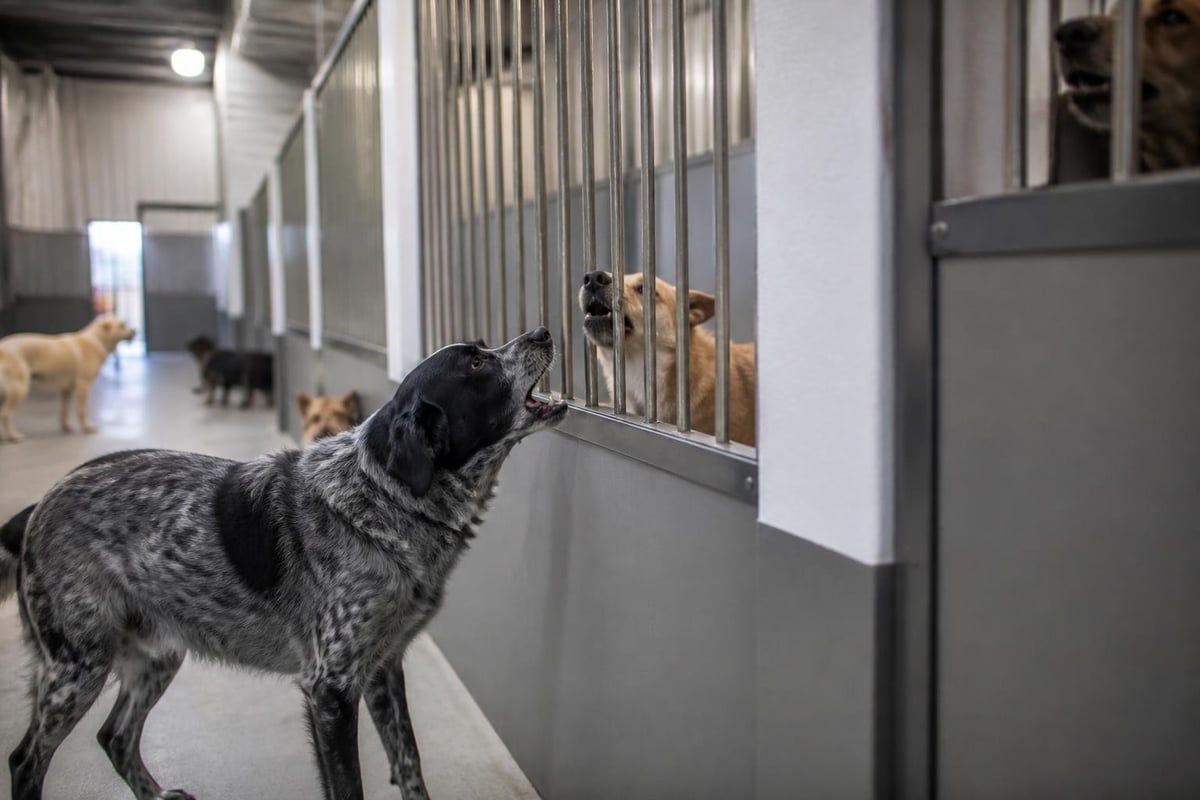
Standard boarding kennels can overwhelm reactive dogs with sensory input. Consider these typical stressors:
- Visual stimulation: Seeing other dogs in adjacent kennels or play areas
- Auditory stress: Barking echoes throughout traditional kennel buildings
- Spatial pressure: Close proximity to unfamiliar dogs during feeding or exercise
- Routine disruption: Changes in schedule and environment amplify anxiety
- Reduced control: Being unable to escape or create distance from triggers
Understanding these challenges helps you evaluate whether a facility truly accommodates reactive dogs or simply accepts them without proper protocols.
Essential Features of Specialized Reactive Dog Boarding
Not all boarding facilities are created equal. When searching for reactive dog boarding near me, prioritize these critical features that demonstrate genuine expertise.
Privacy and Individual Housing
Visual barriers are non-negotiable. Your reactive dog needs kennels with solid walls or privacy panels that prevent direct eye contact with neighboring dogs. Some facilities offer:
- Suites with opaque doors and walls
- Strategic positioning away from high-traffic areas
- Outdoor exercise areas with privacy fencing
- Staggered scheduling to minimize encounters
The San Francisco SPCA’s boarding facility guidelines emphasize the importance of asking specific questions about housing configurations during your facility tour.
Customized Exercise and Enrichment
Group play sessions won't work for reactive dogs. Look for facilities offering:
- Private outdoor time in secure, fenced areas
- One-on-one interaction with trained staff members
- Mental enrichment activities like puzzle feeders and scent work
- Flexible scheduling that accommodates your dog's peak calm periods
| Feature | Standard Boarding | Reactive Dog Boarding |
|---|---|---|
| Exercise format | Group play | Private sessions |
| Staff ratio | 1:10+ dogs | 1:1 or 1:2 maximum |
| Visual barriers | Optional | Required |
| Trigger management | Minimal | Comprehensive protocol |
| Behavior training | Basic or none | Certified staff |
Staff Training and Credentials
The difference between adequate care and exceptional care lies in staff expertise. Facilities specializing in reactive dogs should employ team members with:
- Certification from recognized organizations offering evidence-based training
- Experience with behavior modification techniques
- Understanding of body language and stress signals
- Crisis management skills for preventing escalation
Ask potential boarding facilities about their staff's qualifications and whether they consult with credentialed behavior consultants for challenging cases.
Questions to Ask When Researching Reactive Dog Boarding Near Me
Your phone calls and facility tours should uncover specific information about how they'll care for your reactive dog. Don't settle for vague reassurances.
Safety Protocols and Emergency Procedures
Direct questions yield honest answers. Ask these specifically:
- How do you prevent dog-to-dog contact during arrivals and departures?
- What's your protocol if my dog becomes overly stressed or reactive?
- Do you have a veterinarian on call for behavioral emergencies?
- How are medications administered if my dog requires anti-anxiety support?
- What's your staff-to-dog ratio during overnight hours?
These questions reveal whether a facility has thoughtful systems in place or simply wings it when challenges arise.
Assessment and Intake Process
Reputable facilities specializing in reactive dogs won't accept your pet sight unseen. Expect:
- Detailed questionnaire about triggers, history, and management strategies
- Meet-and-greet session to observe your dog's behavior
- Trial day to ensure compatibility before extended stays
- Communication with your trainer or behaviorist if applicable
- Written care plan documenting special requirements
This thoroughness protects your dog and demonstrates professional commitment. Similar to the preparation involved in crate training a puppy, successful boarding requires patience and individualized planning.

Communication and Updates
While you're away, peace of mind matters. Quality reactive dog boarding near me facilities offer:
- Daily updates via text, email, or photo sharing
- Video check-ins showing your dog during calm moments
- Immediate notification of any behavioral concerns
- Post-stay reports detailing your dog's experience
Transparency builds trust and helps you assess whether the facility remains the right fit for future stays.
Preparing Your Reactive Dog for Boarding Success
Even excellent facilities need your partnership. Preparation maximizes your dog's comfort and minimizes stress during their stay.
Pre-Boarding Conditioning
Gradual exposure helps reactive dogs adjust. Consider these steps:
- Visit the facility multiple times before the actual boarding date
- Practice short separations in the boarding suite if allowed
- Maintain consistent routines leading up to drop-off day
- Avoid introducing major changes immediately before boarding
The management strategies used for leash-reactive dogs apply equally to boarding preparation, emphasizing gradual desensitization.
Packing Essentials for Comfort
Familiar items reduce anxiety in new environments:
- Bedding with home scents (unwashed if possible)
- Favorite toys for comfort and enrichment
- Detailed feeding instructions including timing and portions
- Medication schedule with clear administration notes
- Emergency contact information for yourself and your veterinarian
Just as you'd carefully prepare for caring for your dog after a rainy walk, thoughtful packing demonstrates your commitment to your dog's wellbeing.
Medical and Behavioral Considerations
Reactive dogs often benefit from additional support beyond environmental management. Discuss these options with your veterinarian before searching for reactive dog boarding near me.
Anxiety Medication and Supplements
Pharmacological support isn't admitting defeat. It's providing relief. Options include:
- Short-term anti-anxiety medications for the boarding period
- Natural supplements like L-theanine or CBD (veterinarian-approved)
- Pheromone diffusers in kennels to promote calmness
- Compression wraps or anxiety vests during high-stress times
Always provide written instructions and sufficient supply for the entire stay, plus a few extra days as backup.
Health Requirements and Documentation
Boarding facilities require standard vaccinations, but reactive dogs may need additional considerations:
| Requirement | Standard Dogs | Reactive Dogs |
|---|---|---|
| Vaccines | Rabies, DHPP, Bordetella | Same, plus current records |
| Flea/tick prevention | Required | Required, with sensitivity notes |
| Behavioral medications | If applicable | Detailed instructions needed |
| Medical history | Basic | Comprehensive, including triggers |
| Emergency protocols | Standard | Customized for reactivity |
Research from systematic reviews on kenneled dog welfare demonstrates that monitoring physiological stress markers helps facilities adjust care protocols for better outcomes.

Alternative Options When Traditional Boarding Isn't Suitable
Sometimes, even specialized reactive dog boarding near me facilities aren't the right fit. Exploring alternatives ensures your dog receives appropriate care.
In-Home Pet Sitting Services
Staying home eliminates many stressors. Professional pet sitters offer:
- Familiar environment without boarding facility triggers
- One-on-one attention throughout the day
- Maintenance of existing routines and schedules
- Reduced exposure to unfamiliar dogs and people
Screen sitters carefully, ensuring they understand reactive dog management and can handle your specific requirements.
Board-and-Train Programs
For dogs needing behavior modification, specialized programs combine boarding with professional training. These intensive experiences:
- Address underlying reactivity through daily training sessions
- Implement behavior modification protocols consistently
- Provide professional oversight from certified trainers
- Include owner education for continued progress at home
Verify that programs follow humane, evidence-based methods endorsed by veterinary behaviorists rather than aversive techniques that worsen reactivity.
Trusted Friends or Family
Sometimes the best solution is someone your dog already knows. When recruiting help:
- Provide comprehensive written instructions
- Conduct practice sessions before your departure
- Share trigger information and management strategies
- Leave emergency supplies and veterinary contacts
- Compensate fairly for their time and responsibility
This option works particularly well for dogs whose reactivity is manageable within their home environment.
Long-Term Benefits of Specialized Boarding
Investing in quality reactive dog boarding near me services yields returns beyond your immediate trip. Your dog gains valuable experience that can improve their overall resilience.
Building Positive Associations
Successful boarding experiences teach your dog that separations end with reunions. Over time, repeated positive stays:
- Reduce anticipatory anxiety before future boarding
- Demonstrate that new environments can be safe
- Build trust with professional caregivers
- Create opportunities for continued socialization at appropriate levels
Much like understanding different dog breed temperaments helps set realistic expectations, recognizing your reactive dog's capacity for growth while respecting their limits supports long-term progress.
Supporting Ongoing Behavior Modification
Quality boarding facilities can reinforce training you're doing at home. When staff members:
- Follow your trainer's protocols consistently
- Practice desensitization techniques during the stay
- Maintain the same commands and boundaries
- Document progress and setbacks for review
Your dog benefits from continuity of care that accelerates improvement rather than causing regression.
Regional Variations in Reactive Dog Boarding Availability
Geographic location significantly impacts your options when searching for reactive dog boarding near me. Urban, suburban, and rural areas each present unique challenges and opportunities.
Urban Areas
Cities typically offer more specialized services, including:
- Multiple facilities with reactive dog programs
- Access to certified behavior consultants
- Higher staff-to-dog ratios due to competitive markets
- Advanced amenities like webcams and climate-controlled suites
However, urban boarding often comes with premium pricing and may require booking months in advance during peak seasons.
Suburban and Rural Options
Outside major cities, you might find:
- Fewer specialized facilities but more personalized attention
- Lower costs with potential for negotiated rates
- Smaller operations where your dog is one of few boarders
- Greater flexibility in scheduling and custom arrangements
Building relationships with local trainers and veterinarians helps identify hidden gems that don't heavily market online but provide excellent reactive dog care.
Frequently Asked Questions
How much does reactive dog boarding near me typically cost?
Specialized reactive dog boarding generally costs 50-100% more than standard boarding, ranging from $50-$150 per night depending on your location, required accommodations, and level of individualized care. Premium facilities in major cities may charge even higher rates for comprehensive behavior management and one-on-one attention.
Can I board my reactive dog if they've bitten someone before?
This depends entirely on the facility's policies and your dog's specific bite history. Many specialized facilities will consider dogs with bite histories if the incidents were fear-based, management protocols are clearly documented, and you're transparent about the circumstances. Always disclose bite history honestly, as concealing this information puts staff at risk and violates boarding agreements.
How far in advance should I book reactive dog boarding?
Book specialized reactive dog boarding at least 4-8 weeks in advance, especially during holidays and summer months. Popular facilities with limited reactive dog spaces fill quickly. First-time boarders should allow additional time for assessment appointments and trial stays before your actual travel dates.
What if my reactive dog doesn't eat or becomes too stressed during boarding?
Reputable facilities monitor eating habits and stress levels closely. Most will contact you if your dog refuses meals for 24+ hours or shows excessive stress. Discuss your dog's typical stress responses during intake so staff can distinguish between normal adjustment and concerning behavior requiring intervention or early pickup.
Should I tell the boarding facility about all my dog's triggers?
Absolutely yes. Complete disclosure protects your dog, staff, and other boarders. Provide detailed information about visual triggers, sound sensitivities, handling limitations, and any situations that provoke reactive responses. This allows facilities to implement appropriate management and prevents potentially dangerous situations.
Are there breed-specific considerations for reactive dog boarding?
While reactivity crosses all breeds, some considerations apply. For example, Golden Retrievers with reactivity may need different management than terriers or herding breeds. Understanding your specific breed’s characteristics helps facilities tailor enrichment and exercise appropriately. Facilities experienced with diverse breeds adapt their approaches based on size, energy level, and breed-typical behaviors.
Can boarding help or hurt my reactive dog's training progress?
Well-managed boarding can reinforce positive training, while poorly managed experiences may cause setbacks. Choose facilities that coordinate with your trainer, follow established protocols, and prioritize your dog's emotional wellbeing. A single traumatic boarding experience can undo months of behavior modification, so thorough facility vetting is essential.
Finding the right reactive dog boarding near me requires research, preparation, and partnership with knowledgeable professionals who prioritize your dog's unique needs. By asking the right questions, preparing thoroughly, and choosing facilities with genuine expertise in reactive dog care, you can ensure your furry friend stays safe and comfortable during your time away. For more practical guidance on training, behavior, health, and nutrition, Dog Care Guide offers cheerful, evidence-based advice to help you pamper and protect your beloved companion through every life stage and challenge.