
We all want our furry friends to have bright, healthy smiles. But when you notice that yellowish-brown buildup on your dog's teeth, you might wonder what you can do about it. Dog tartar removal at home is a topic many pet parents search for, hoping to find safe and effective ways to help their pups. While professional veterinary cleanings remain the gold standard for removing hardened tartar, there are several proven methods you can use at home to prevent buildup and maintain your dog's oral health between vet visits. Let's explore what works, what doesn't, and how you can become your dog's best dental advocate.
Understanding Tartar and Why It Matters
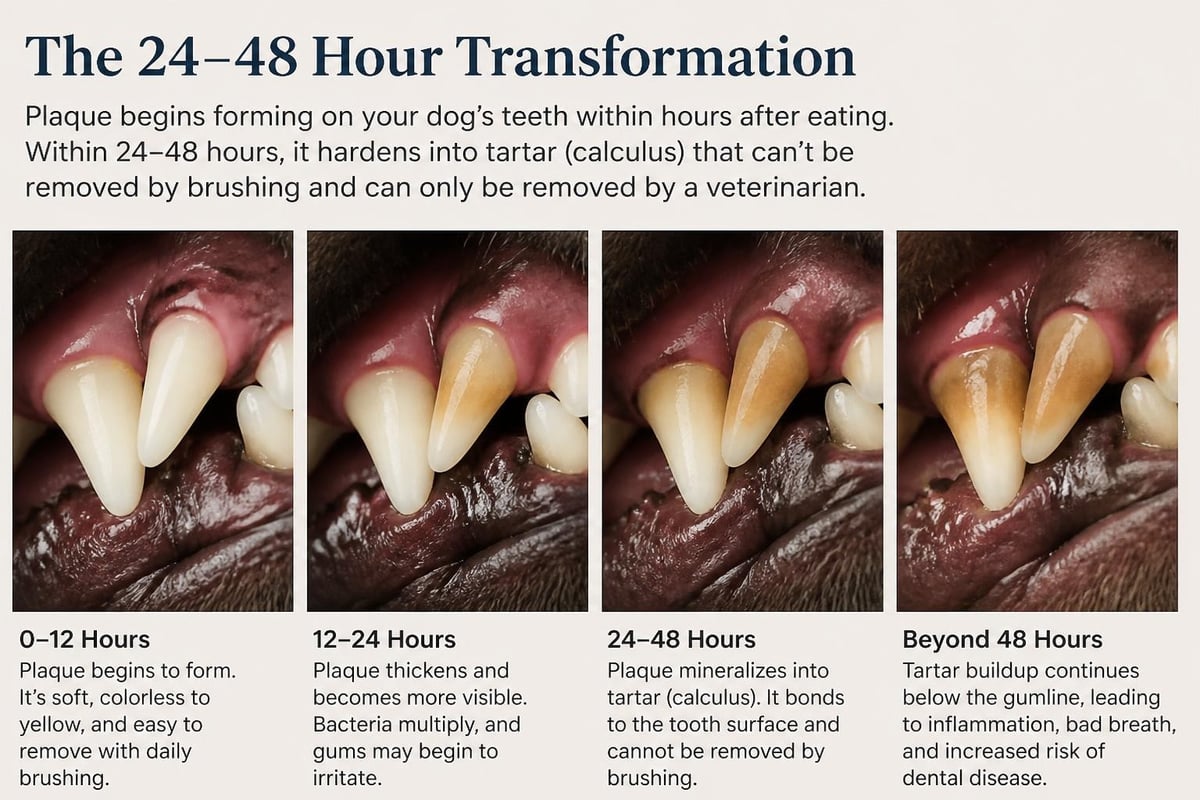
Tartar, also called calculus, forms when plaque mineralizes on your dog's teeth. This hard, crusty deposit typically appears yellowish-brown and clings stubbornly to the tooth surface, especially near the gumline.
The process starts innocently enough. After your dog eats, bacteria combine with food particles and saliva to form a sticky film called plaque. Within 24 to 48 hours, if this plaque isn't removed, it begins to harden into tartar. Once tartar forms, regular brushing can't remove it completely.
The Health Risks of Tartar Buildup
Ignoring tartar isn't just about aesthetics. The consequences can affect your dog's overall health and quality of life.
- Periodontal disease develops as bacteria under the tartar irritate gums
- Tooth loss occurs when disease progresses to the roots
- Pain and discomfort make eating difficult
- Systemic infections can spread to vital organs like the heart and kidneys
- Bad breath signals bacterial overgrowth
According to the WSAVA Global Dental Guidelines, periodontal disease affects the majority of dogs over three years old. That's why understanding prevention is so important for every dog owner.
What Dog Tartar Removal at Home Really Means
Let's be clear about something important: true tartar removal requires professional intervention. Once plaque hardens into calculus, it bonds to tooth enamel and can only be safely removed through veterinary scaling under anesthesia.
However, dog tartar removal at home focuses on two crucial goals:
- Preventing new tartar formation through consistent daily care
- Softening early deposits before they fully mineralize
The American Veterinary Dental College emphasizes that anesthesia-free dental cleanings performed on awake dogs are dangerous and ineffective. They don't address disease below the gumline and can cause stress and injury.
Setting Realistic Expectations
Home care won't reverse severe tartar buildup. But it absolutely can slow progression and reduce the frequency of professional cleanings your dog needs throughout their lifetime.
Think of it this way: you brush your teeth daily, but you still visit the dentist twice a year for professional cleanings. Your dog deserves the same comprehensive approach.
The Gold Standard: Daily Tooth Brushing
Nothing beats brushing when it comes to preventing tartar at home. Research from Cornell University College of Veterinary Medicine confirms that toothbrushing is the single most effective home-care measure for maintaining canine oral health.
Getting Started with Brushing
If you've never brushed your dog's teeth before, don't worry. Most dogs can learn to tolerate and even enjoy the process with patience and positive reinforcement.
Week One: Introduction
- Let your dog lick dog-safe toothpaste from your finger
- Gently lift their lips and touch their teeth with your finger
- Reward heavily with praise and treats
- Keep sessions under one minute
Week Two: Adding the Brush
- Introduce a soft-bristled dog toothbrush or finger brush
- Brush just the front teeth at first
- Use circular motions along the gumline
- Gradually work toward the back molars
Week Three and Beyond
- Aim for 30 seconds per side
- Focus on the outer surfaces where tartar accumulates most
- Brush daily for best results, minimum three times weekly
| Brushing Tool | Pros | Cons | Best For |
|---|---|---|---|
| Angled dog toothbrush | Reaches back teeth, thorough cleaning | Requires training, larger size | Medium to large dogs |
| Finger brush | Great control, less intimidating | Limited reach, smaller surface | Small dogs, beginners |
| Gauze pad | Gentle, good for sensitive dogs | Less effective on molars | Introduction phase |
| Electric toothbrush | Efficient plaque removal | Noise may frighten dogs | Well-trained dogs |
For detailed step-by-step instructions, check out our guide on how to brush your dog’s teeth at home.
Dental Chews and Treats That Actually Work
Not every dog tolerates brushing, and even the most dedicated pet parents miss days. This is where dental chews become valuable allies in your dog's oral health routine.
Choosing Effective Dental Chews
Research published in PubMed in 2022 evaluated non-rawhide dental chews and found they significantly reduced calculus formation compared to control groups. The key is choosing products with the right characteristics.
Look for dental chews that have:
- VOHC (Veterinary Oral Health Council) seal of approval
- Appropriate size for your dog's breed and chewing style
- Textured surfaces that scrub teeth during chewing
- Safe ingredients without artificial colors or harmful additives
A 2024 study examined how specific dental chews affect oral microbiota, showing that the right products don't just remove debris but actually promote healthier bacterial balance in your dog's mouth.
How to Use Dental Chews Effectively
Daily dental chews work best as part of a comprehensive routine, not as a replacement for brushing. Give your dog their chew at the same time each day, ensuring they actually chew it rather than swallowing it whole.
Popular effective options include:
- Dental rawhide alternatives made from digestible materials
- Rubber toys with bristled surfaces
- Specially formulated biscuits that mechanically clean teeth
- Long-lasting natural chews like bully sticks (supervised use only)
Water Additives and Dental Wipes
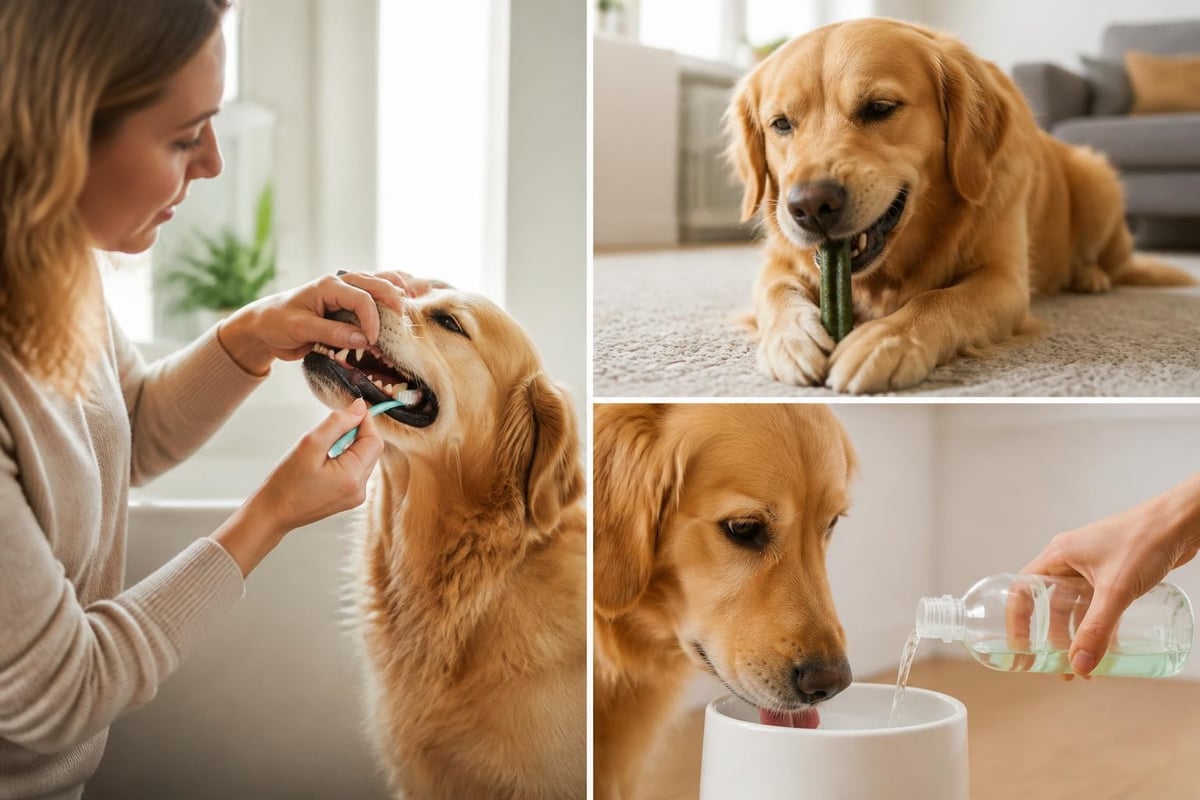
For dogs who absolutely refuse brushing, water additives and dental wipes offer additional options for dog tartar removal at home, though they're less effective than mechanical cleaning.
Water Additives
These products mix into your dog's drinking water and contain enzymes or antibacterial agents that reduce plaque formation. They're incredibly convenient but shouldn't be your only defense against tartar.
Advantages:
- Zero effort required
- Works throughout the day
- Good for multi-dog households
Limitations:
- Doesn't mechanically remove existing buildup
- Some dogs dislike the taste
- Less effective than brushing
Dental Wipes and Pads
Dental wipes let you physically remove plaque without a toothbrush. Simply wrap the textured pad around your finger and rub it along your dog's teeth and gumline.
They're perfect for:
- Quick cleanings between brushing sessions
- Dogs recovering from dental procedures
- Senior dogs with sensitive mouths
- Travel situations
Natural Approaches and Home Remedies
Many pet parents ask about natural methods for dog tartar removal at home. While some approaches offer benefits, others can be dangerous.
Safe Natural Options
Raw Bones (with caution):
Raw, meaty bones can help scrape away plaque naturally. However, they require supervision and careful selection. Never give cooked bones, which splinter, and choose size-appropriate options that match your dog's chewing strength.
Coconut Oil:
Some owners add coconut oil to their dog's diet or use it while brushing. While it has antibacterial properties, evidence supporting its effectiveness for tartar prevention is limited.
Crunchy Vegetables:
Carrots, celery, and apple slices (without seeds) provide mild abrasive action. They're safe, healthy treats but won't significantly impact tartar.
Methods to Avoid
Never attempt these risky approaches:
- Metal dental scalers designed for professional use (can damage enamel and injure gums)
- Baking soda in large amounts (can upset stomach pH)
- Human toothpaste (contains xylitol, which is toxic to dogs)
- Essential oils applied directly to gums (many are toxic)
Creating Your Dog's Dental Care Schedule
Consistency makes the difference between success and frustration. Here's how to build a sustainable routine for dog tartar removal at home.
Daily Tasks
Morning:
- Brush teeth (2 minutes)
- Provide fresh water with dental additive if using
Evening:
- Offer VOHC-approved dental chew (15-20 minutes)
- Quick dental wipe if your dog tolerates it
Weekly Tasks
Every 3-4 Days:
- Inspect your dog's mouth for redness, swelling, or bleeding
- Check for loose teeth or unusual lumps
- Note any changes in breath odor
Monthly Assessment
Once monthly, conduct a thorough oral examination. Look at each tooth, checking for:
- Tartar accumulation (especially on back molars)
- Gum color and health
- Broken or chipped teeth
- Signs of pain when touching certain areas
Document what you find. Photos can help you track changes over time and provide valuable information for your veterinarian.
When to Seek Professional Help
Even with diligent dog tartar removal at home, professional cleanings remain necessary. Recognizing when to schedule a veterinary dental exam protects your dog's health.
Red Flag Symptoms
Contact your veterinarian if you notice:
- Heavy tartar buildup that home care isn't controlling
- Red, swollen, or bleeding gums
- Persistent bad breath despite regular brushing
- Difficulty eating or dropping food
- Pawing at the mouth
- Excessive drooling
- Behavioral changes suggesting pain
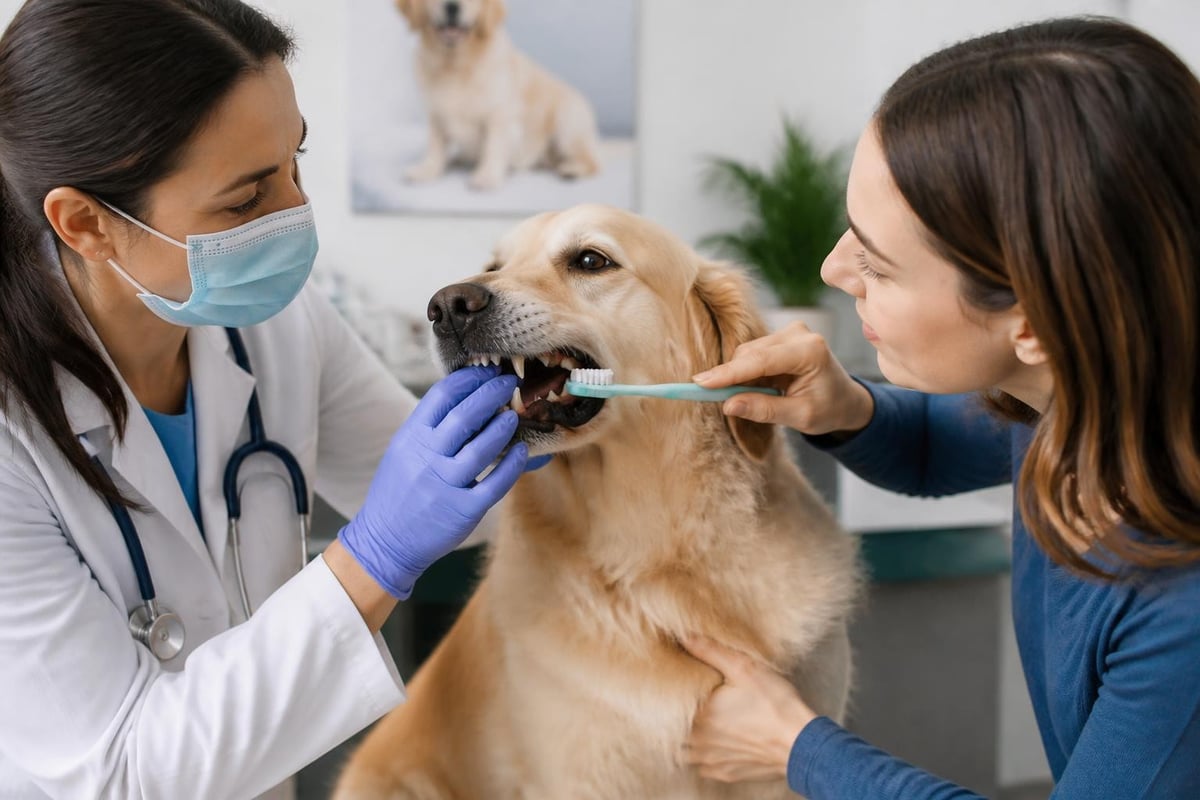
Your vet may recommend professional cleaning under anesthesia. While the thought of anesthesia worries many pet parents, modern veterinary anesthesia is remarkably safe, especially with proper pre-anesthetic bloodwork and monitoring.
Professional Cleaning: What to Expect
During a professional dental cleaning, your veterinarian will:
- Perform a complete oral examination under anesthesia
- Scale tartar above and below the gumline
- Polish teeth to smooth surfaces
- Apply fluoride treatment
- Extract any diseased teeth if necessary
- Take dental X-rays to assess bone health
Most dogs recover quickly and feel significantly better once painful dental disease is addressed. Understanding your dog needs includes prioritizing their dental health alongside nutrition and exercise.
Frequently Asked Questions
Can I remove hard tartar from my dog's teeth at home?
Hard, calcified tartar cannot be safely removed at home. Once plaque mineralizes into tartar, it requires professional scaling by a veterinarian. Home care focuses on preventing new tartar formation and maintaining the results of professional cleanings.
How often should I brush my dog's teeth?
Daily brushing provides optimal results for dog tartar removal at home. If daily brushing isn't possible, aim for at least three to four times weekly. The more frequently you brush, the less plaque hardens into tartar.
Are dental chews as effective as brushing?
No, dental chews complement brushing but don't replace it. Brushing mechanically removes plaque from all tooth surfaces, while chews primarily clean the chewing surfaces of back teeth. Combining both methods offers the best protection against tartar.
What's the best toothpaste for dogs?
Choose enzymatic toothpaste formulated specifically for dogs. These products contain enzymes that break down plaque and come in flavors dogs enjoy like poultry, beef, or peanut butter. Never use human toothpaste, which contains xylitol and other ingredients toxic to dogs.
At what age should I start dental care?
Start as early as possible, ideally during puppyhood. Young dogs adapt more easily to tooth brushing, and establishing the routine early prevents tartar accumulation before it starts. Even senior dogs benefit from beginning a dental care routine.
Can diet affect tartar buildup?
Yes, diet influences tartar formation. Dry kibble provides more mechanical cleaning action than wet food, though diet alone won't prevent tartar. Some prescription dental diets are specifically formulated to reduce plaque and tartar through specialized kibble shapes and added ingredients.
Is anesthesia-free dental cleaning safe?
No, anesthesia-free dental scaling is not recommended. The American Veterinary Dental College states these procedures are cosmetic only, don't address disease below the gumline, and can traumatize dogs. Proper dental care requires anesthesia for thorough, safe cleaning.
Building Long-Term Dental Health Habits
Dog tartar removal at home requires commitment, but the rewards extend far beyond cleaner teeth. Dogs with healthy mouths live longer, more comfortable lives.
Making It Enjoyable
Transform dental care from a chore into bonding time. Use high-value rewards, keep sessions short and positive, and never force your dog. If they resist, slow down and rebuild positive associations gradually.
Many owners find that incorporating dental care into their dog's routine becomes second nature within a few weeks. The key is patience and consistency, not perfection.
Tracking Progress
Keep a simple dental journal noting:
- Days you brushed
- Products you tried
- Changes you observed
- Questions for your vet
This record helps you identify what works best for your individual dog and provides valuable health history.
Special Considerations for Different Life Stages
Puppies, adults, and seniors all benefit from dental care, but each stage requires slightly different approaches.
Puppies (Under 1 Year)
Focus on establishing positive associations with mouth handling and brushing. Baby teeth will fall out, but the habits you build now last a lifetime. Keep sessions playful and brief.
Adult Dogs (1-7 Years)
This is when tartar prevention matters most. Adult dogs are active, and their eating habits fully established. Consistent daily care during these years prevents the severe dental disease common in older dogs.
Senior Dogs (7+ Years)
Older dogs often have existing dental issues, making home care both more challenging and more important. Be gentle with sensitive gums, watch for loose teeth, and schedule professional evaluations more frequently. If your senior dog shows signs of boredom or anxiety during dental care, our article on 7 signs your dog is bored and how to fix it fast offers helpful strategies.
| Life Stage | Brushing Frequency | Professional Cleanings | Special Considerations |
|---|---|---|---|
| Puppy (0-1 year) | 3-4 times weekly | As needed for training | Focus on positive associations |
| Young Adult (1-3 years) | Daily | Every 1-2 years | Establish permanent routine |
| Adult (3-7 years) | Daily | Annually | Monitor for first signs of disease |
| Senior (7+ years) | Daily, gentle | Every 6-12 months | Address existing issues carefully |
Keeping your dog's teeth healthy doesn't have to be overwhelming. With the right tools, consistent habits, and realistic expectations about what dog tartar removal at home can achieve, you'll help your furry friend maintain a healthier, happier smile for years to come. At Dog Care Guide, we're here to support you with practical, heartwarming advice for every aspect of caring for your beloved companion. Start your dog's dental care routine today and give them the gift of lasting oral health.