
There's something absolutely magical about a fluffy dog that captures our hearts instantly. Whether you're already sharing your home with one of these cloud-like companions or considering welcoming one into your family, understanding their unique care needs is essential. These gorgeous pups bring incredible joy, but their beautiful coats require dedicated attention, proper nutrition, and regular health monitoring. We're here to help you navigate every aspect of fluffy dog care with warmth and confidence, ensuring your furry friend stays healthy, comfortable, and looking their absolute best throughout every season of the year.
Understanding Your Fluffy Dog's Coat Type
Not all fluffy coats are created equal, and recognizing your dog's specific coat type makes all the difference in providing proper care. Most fluffy dog breeds feature either a double coat or a single coat with dense, soft fur that creates that irresistible plush appearance.
Double-Coated Beauties
Double-coated breeds possess two distinct layers that work together to regulate temperature and protect their skin. The fluffy dog breeds with double coats include favorites like Samoyeds, Pomeranians, and Chow Chows. The undercoat consists of soft, dense fur that provides insulation, while the outer coat features longer guard hairs that repel water and debris.
These magnificent coats require special consideration because they naturally shed seasonally, a process called "blowing coat." During spring and fall, you'll notice significantly increased shedding as your pup adapts to temperature changes.
Key characteristics of double coats:
- Temperature regulation in both hot and cold weather
- Seasonal heavy shedding periods
- Natural water resistance
- Requires specific grooming techniques
- Should never be shaved without veterinary guidance
Single-Coated Fluffiness
Single-coated fluffy dogs like Bichon Frises and some Poodle mixes have one layer of continuously growing hair. These breeds typically shed less but require regular trimming to maintain their signature fluffy appearance and prevent matting.
Essential Grooming Routines for Fluffy Dog Care
Grooming your fluffy dog isn't just about aesthetics; it's a fundamental health practice that prevents painful mats, distributes natural oils, and allows you to check for skin issues, parasites, or unusual lumps.
Daily Brushing Best Practices
Daily brushing should become your relaxing bonding ritual with your fluffy companion. This consistent practice prevents the formation of mats and tangles that can pull on skin and create painful sores.
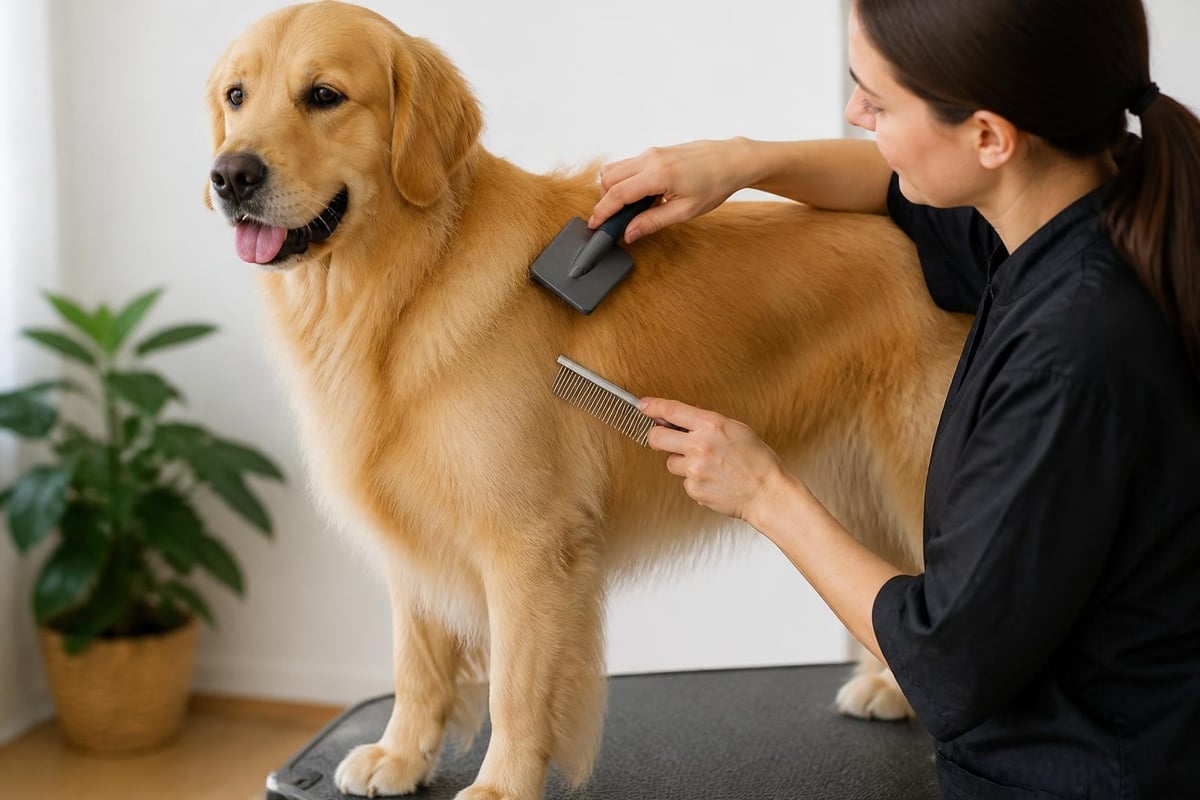
Your daily brushing toolkit:
| Tool | Purpose | Best For |
|---|---|---|
| Slicker Brush | Removes loose undercoat | Daily maintenance |
| Metal Comb | Detects hidden mats | Final check |
| Undercoat Rake | Deep de-shedding | Seasonal blowouts |
| Pin Brush | Fluffing topcoat | Finishing touches |
According to professional grooming and coat care guidance, establishing a consistent brushing schedule prevents most matting problems before they start. Work in sections, brushing from skin outward, and never brush over mats, which can hurt your dog.
Bathing Your Fluffy Friend
Bathing frequency depends on your dog's lifestyle and coat type, but most fluffy dogs benefit from baths every 4-6 weeks. Over-bathing strips natural oils, while under-bathing allows dirt and dander to accumulate.
- Brush thoroughly before bathing to remove loose hair and mats
- Use lukewarm water and dog-specific shampoo
- Rinse completely-leftover product causes irritation
- Apply conditioner to maintain coat softness
- Towel dry, then use a blow dryer on cool setting
- Brush again while drying to prevent matting
The ASPCA’s dog grooming tips emphasize that proper drying technique is crucial for fluffy breeds, as damp undercoats can develop mildew and hot spots.
Professional Grooming Considerations
Even with excellent home care, most fluffy dog owners benefit from professional grooming every 6-8 weeks. Professional groomers have specialized equipment for thorough de-shedding, can safely trim sensitive areas, and spot potential health issues early.
Nutrition for Healthy, Lustrous Coats
What goes inside your fluffy dog directly impacts what shows on the outside. A nutritious diet creates the foundation for that gorgeous, healthy coat we all adore.
Essential Nutrients for Coat Health
Your fluffy dog's diet should include high-quality proteins as the primary ingredient, since hair is composed primarily of protein. Look for foods listing real meat, fish, or poultry as the first ingredient.
Critical nutrients for coat health:
- Omega-3 fatty acids: Reduce inflammation, add shine
- Omega-6 fatty acids: Support skin barrier function
- Biotin: Strengthens hair follicles
- Vitamin E: Protects skin cells from damage
- Zinc: Prevents hair loss and supports growth
Quality matters significantly more than quantity. Premium foods designed for coat health often reduce shedding, improve texture, and enhance natural shine within 6-8 weeks of consistent feeding.
Hydration and Coat Quality
Fresh, clean water availability throughout the day supports every bodily function, including maintaining skin elasticity and coat hydration. Dehydrated dogs develop dry, brittle coats that mat more easily and lose their fluffy texture.
Health Considerations Specific to Fluffy Dogs
Those beautiful coats come with unique health considerations that responsible owners should monitor carefully throughout their dog's life.
Recognizing Coat-Related Health Issues
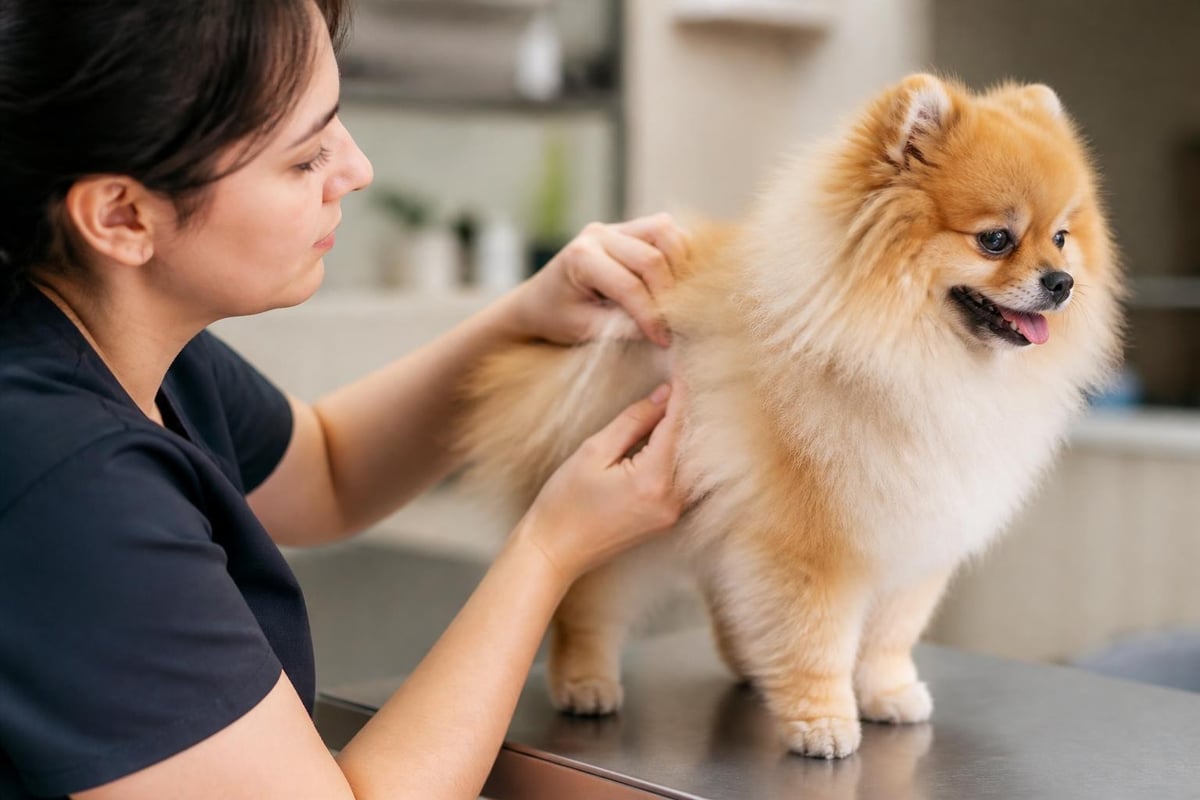
Changes in your fluffy dog's coat often signal underlying health problems before other symptoms appear. Excessive shedding outside seasonal periods, bald patches, or sudden texture changes warrant veterinary attention.
The Merck Veterinary Manual’s guidance on hair loss in dogs explains that alopecia can indicate hormonal imbalances, nutritional deficiencies, parasites, or autoimmune conditions. Early detection leads to better treatment outcomes.
Warning signs requiring veterinary consultation:
- Patchy hair loss or bald spots
- Excessive scratching or skin irritation
- Unusual odor from skin or coat
- Red, inflamed, or crusty skin
- Sudden increase in shedding
- Coat texture becoming unusually dry or oily
Seasonal Care Adjustments
Your fluffy dog's care routine should adapt with the seasons. Cornell University’s veterinary guidance on seasonal safety emphasizes that double-coated breeds especially need careful temperature management throughout the year.
| Season | Care Priority | Action Steps |
|---|---|---|
| Winter | Coat protection | Maintain full coat, limit salt exposure, dry thoroughly after snow play |
| Spring | Shedding management | Increase brushing frequency, professional de-shedding treatment |
| Summer | Heat management | Never shave double coats, provide shade and cooling, watch for overheating |
| Fall | Preparation | Boost nutrition, establish winter grooming routine, check for skin issues |
Many people mistakenly believe shaving a fluffy dog in summer keeps them cooler. Actually, double coats provide insulation against both cold and heat, and shaving can permanently damage coat texture while removing natural temperature regulation.
Managing Allergies Around Fluffy Dogs
If you or family members have allergies, understanding the reality of pet allergens helps you make informed decisions and implement effective management strategies.
The Truth About "Hypoallergenic" Fluffy Dogs
The American Academy of Allergy, Asthma & Immunology clarifies that no dog breed is truly hypoallergenic. Allergic reactions result from proteins found in dander, saliva, and urine, not the hair itself. Fluffy dogs may actually trap more dander in their coats, potentially increasing allergen levels in your home.
Some fluffy breeds like Poodles and Bichons shed less, which may reduce but not eliminate allergen exposure. Families with children who have allergies should review pediatric guidance on managing pet allergies before bringing home a fluffy companion.
Reducing Allergen Exposure
You can successfully share your home with a fluffy dog while managing allergies through consistent environmental control.
- Brush your dog outside daily to remove loose dander
- Bathe your fluffy dog weekly to reduce allergen accumulation
- Use HEPA air purifiers in main living areas
- Vacuum frequently with HEPA-filtered vacuums
- Establish dog-free zones, especially bedrooms
- Wash your hands after petting your dog
- Have a non-allergic family member handle grooming tasks
Training and Socialization for Fluffy Breeds
While we often focus on physical care, your fluffy dog's mental and behavioral health requires equal attention. Many popular fluffy breeds were developed as companion animals and thrive on positive interaction and mental stimulation.
Building Positive Grooming Associations
Since grooming consumes significant time in fluffy dog care, teaching your pup to enjoy these sessions prevents stress and resistance. Start handling exercises as early as possible, touching paws, ears, and tail while offering treats and praise.
Practice short, positive grooming sessions daily rather than long, stressful marathon sessions weekly. This approach builds trust and cooperation, making necessary care enjoyable for both of you.
Exercise Needs Beyond Coat Care
Your fluffy dog needs appropriate physical activity to maintain overall health, though exercise requirements vary significantly by breed. A Samoyed requires substantially more activity than a Pekingese, despite both having fluffy coats.
Balancing exercise and coat care:
- Walk before outdoor play to reduce pre-bath dirt accumulation
- Use protective gear in muddy or wet conditions
- Check and brush coat immediately after outdoor adventures
- Adjust activity levels based on temperature and coat thickness
- Monitor for overheating during warm weather exercise
Just as you'd follow specific guidance for breeds like the French Bulldog’s unique needs, understanding your fluffy dog's breed-specific exercise requirements ensures balanced care.
Creating Your Fluffy Dog Care Schedule
Consistency transforms fluffy dog care from overwhelming to manageable. Creating a realistic schedule helps you stay on top of grooming, health monitoring, and quality bonding time.
Daily Care Checklist
- Morning and evening brushing sessions (10-15 minutes each)
- Fresh water availability throughout the day
- Quality meals at consistent times
- Spot check for mats behind ears, under legs, and around collar
- Exercise appropriate to breed and age
- Positive interaction and training time
Weekly and Monthly Tasks
Your weekly routine should include thorough coat inspection, nail checks, and ear cleaning. Monthly tasks include baths, deeper grooming sessions, and comprehensive health checks where you examine skin, teeth, and overall body condition.
Seasonal Deep Care
Plan professional grooming appointments around seasonal coat changes. Spring and fall typically require the most intensive care as your fluffy dog transitions between winter and summer coats.
Frequently Asked Questions
How often should I brush my fluffy dog?
Daily brushing is ideal for most fluffy dog breeds, especially those with double coats. This prevents matting, reduces shedding around your home, and allows you to monitor skin health. During seasonal shedding periods, you may need to brush twice daily.
Can I shave my fluffy dog in summer to keep them cool?
No, you should not shave double-coated fluffy dogs. Their coat provides natural insulation against both heat and cold. Shaving can permanently damage the coat texture and removes their natural temperature regulation system. Instead, ensure adequate shade, water, and air conditioning access.
Why is my fluffy dog shedding more than usual?
Increased shedding can result from seasonal coat changes, stress, poor nutrition, or underlying health issues. If shedding occurs outside typical spring and fall periods, or if you notice bald patches or skin irritation, consult your veterinarian to rule out medical causes.
What's the best brush for a fluffy dog?
Most fluffy dog owners need multiple brush types. A slicker brush works well for daily maintenance and removing loose undercoat. A metal comb helps detect hidden mats. An undercoat rake is essential during heavy shedding seasons. The specific tools depend on your dog's exact coat type.
How do I remove mats from my fluffy dog's coat?
For small mats, work them out gently with your fingers and a metal comb, starting at the mat's edges and working inward. Apply detangling spray if needed. Never cut mats with scissors, as you risk cutting skin. Severe matting requires professional grooming to safely remove without harming your dog.
Are fluffy dogs good for families with children?
Many fluffy breeds make wonderful family companions, though temperament matters more than coat type. Research breed-specific characteristics and energy levels. Teach children proper interaction with dogs, including gentle petting and respecting the dog's space during grooming and rest times.
Caring for a fluffy dog brings incredible rewards when you understand and meet their unique needs. With consistent grooming, proper nutrition, health monitoring, and lots of love, your fluffy companion will thrive for years to come. At Dog Care Guide, we're dedicated to helping you provide the very best care for your furry friend with practical tips, cheerful guidance, and expert advice tailored to your dog's individual needs.