
Category: Dog Breeds
Choosing a canine companion is one of life’s most rewarding decisions, but with hundreds of recognized breeds worldwide, understanding the name of breeds of dogs can feel overwhelming. Whether you’re a first-time owner or welcoming another furry friend into your home, knowing how breeds are named and classified helps you find the perfect match for your lifestyle. From energetic Border Collies to gentle Golden Retrievers, each breed carries a unique history, purpose, and set of characteristics that influence everything from grooming needs to exercise requirements. We’re here to make this journey cheerful and straightforward, helping you navigate the wonderful world of dog breeds with confidence.
Understanding How Dog Breeds Are Named
The name of breeds of dogs often reflects their origin, purpose, or distinctive physical traits. Many breeds carry geographic names that tell us exactly where they were developed.
Consider the German Shepherd, which originated in Germany as a versatile herding and working dog. Similarly, the Labrador Retriever takes its name from the Labrador region of Canada, where fishermen valued these dogs for retrieving nets and fish.
Geographic and Functional Naming Conventions
Regional identifiers appear in countless breed names:
- Yorkshire Terrier (Yorkshire, England)
- Siberian Husky (Siberia)
- Australian Shepherd (despite the name, developed in the western United States)
- Bernese Mountain Dog (Bern region, Switzerland)
Functional descriptions highlight what the breed was designed to do. Retrievers fetch game, pointers indicate prey location, and terriers (from Latin “terra” meaning earth) were bred to hunt burrowing animals. The American Kennel Club provides comprehensive breed profiles that detail these historical purposes and how they influence modern temperament.
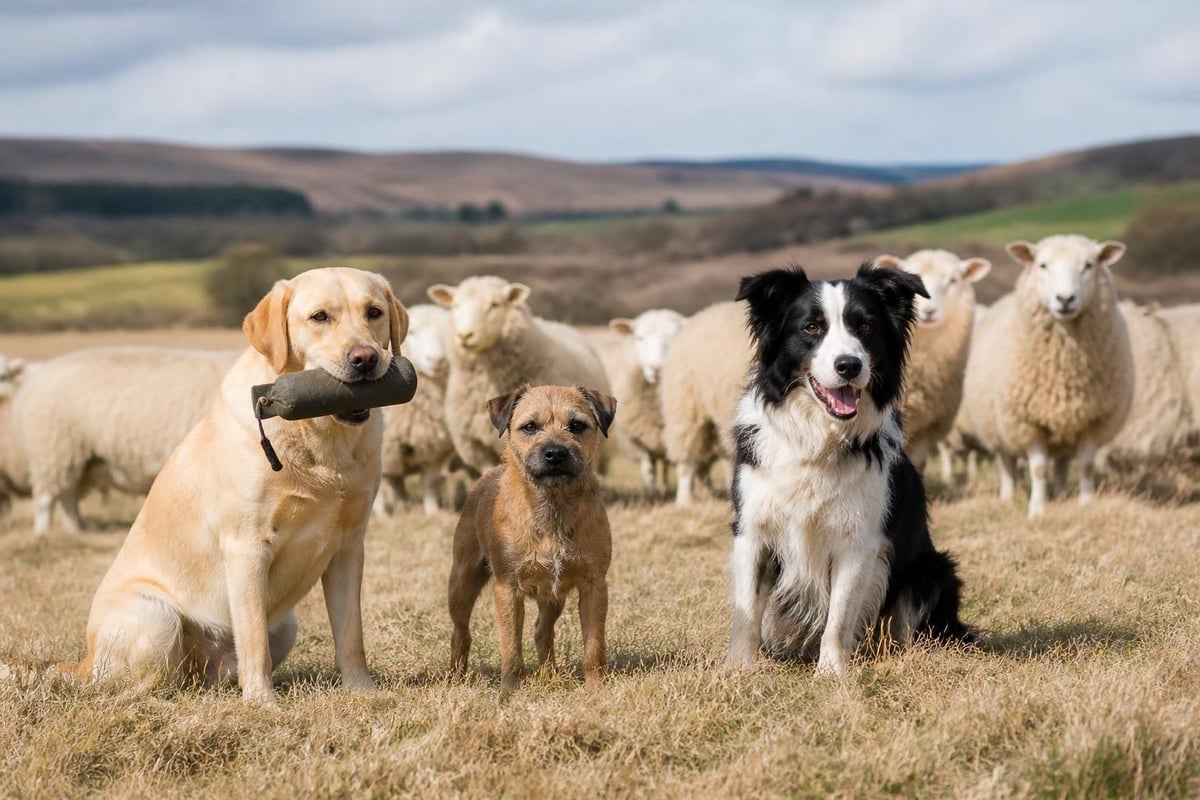
Major Breed Classification Groups
Understanding breed groups makes navigating the name of breeds of dogs much simpler. Most kennel clubs organize breeds into seven to ten distinct categories based on original function.
The Seven AKC Breed Groups
| Group | Purpose | Example Breeds | Typical Traits |
|---|---|---|---|
| Sporting | Hunting and retrieving game | Golden Retriever, Cocker Spaniel | Energetic, friendly, trainable |
| Hound | Tracking and pursuing prey | Beagle, Greyhound, Basset Hound | Independent, vocal, strong prey drive |
| Working | Guard, rescue, and draft work | Boxer, Great Dane, Rottweiler | Intelligent, strong, protective |
| Terrier | Hunting vermin and small game | Jack Russell, Scottish Terrier | Feisty, determined, vocal |
| Toy | Companionship | Chihuahua, Pomeranian, Pug | Affectionate, adaptable, portable |
| Non-Sporting | Varied purposes | French Bulldog, Dalmatian | Diverse personalities and needs |
| Herding | Moving livestock | Australian Cattle Dog, Border Collie | Intelligent, energetic, responsive |
When you’re exploring different dog breeds, these groupings provide valuable insight into energy levels, training needs, and behavioral tendencies.
International Classification Systems
The Fédération Cynologique Internationale (FCI) recognizes breeds using a ten-group system that differs slightly from American standards. This international perspective on the name of breeds of dogs includes categories like Scenthounds, Spitz and primitive types, and Companion and Toy Dogs.
Popular Breeds You Should Know
The name of breeds of dogs that consistently top popularity charts often reflects their adaptability to modern family life. According to AKC’s annual rankings, certain breeds have maintained beloved status for decades.
Top Family-Friendly Breeds
Labrador Retriever has held the number one spot for 31 consecutive years until recently. These gentle, patient dogs excel with children and adapt wonderfully to various living situations.
Golden Retriever follows closely, offering similar temperament with slightly more grooming needs. Both retrievers share intelligence and eagerness to please, making training and behavior work remarkably rewarding.
French Bulldog surged in popularity recently, particularly among urban dwellers. Their compact size and moderate exercise needs suit apartment living beautifully.
Emerging and Heritage Breeds
Newer additions to the name of breeds of dogs recognized by major kennel clubs reflect changing owner preferences:
- Doodle varieties (Goldendoodle, Labradoodle) – though not officially recognized, incredibly popular
- Cane Corso – ancient Italian breed gaining modern appreciation
- Belgian Malinois – working breed becoming more common in active households
- Biewer Terrier – recently recognized toy breed with elegant appearance
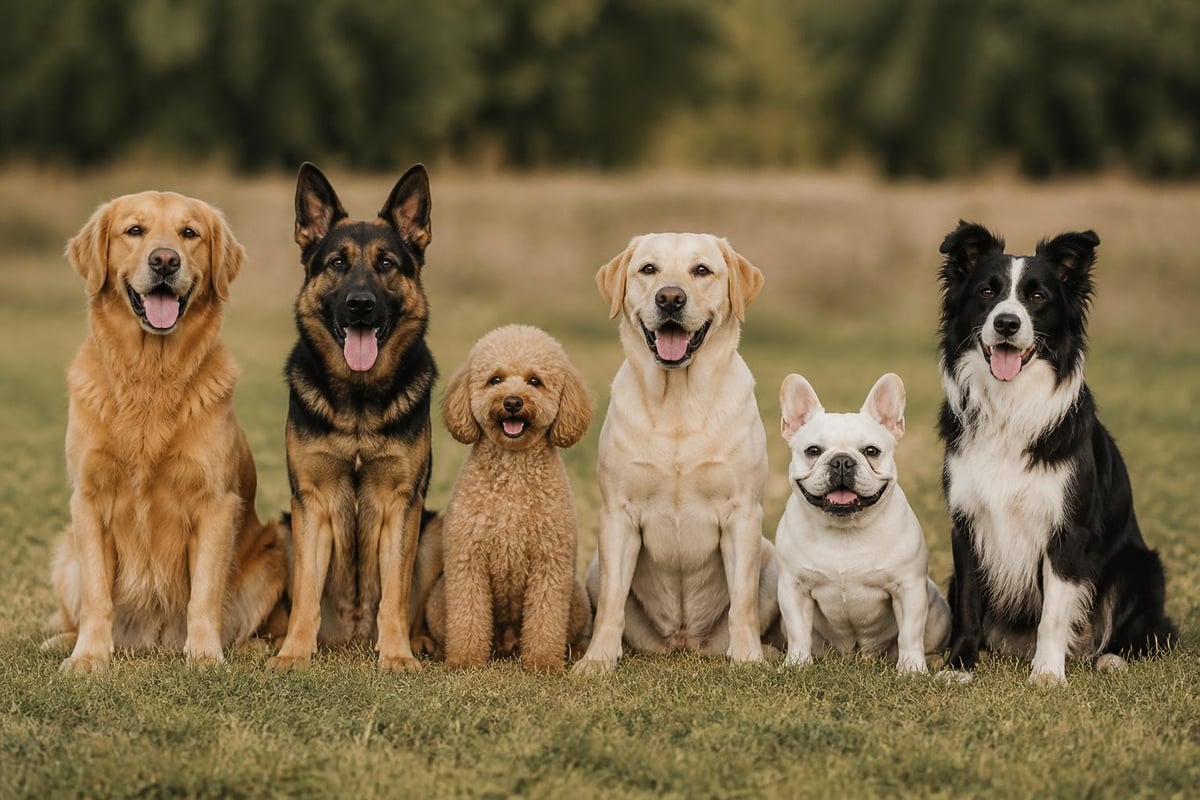
Rare and Unique Breed Names
While exploring the name of breeds of dogs, you’ll discover fascinating rare breeds that deserve recognition. These lesser-known companions often possess remarkable qualities.
Uncommon Treasures
Norwegian Lundehund features six toes on each foot and extraordinary joint flexibility, originally bred to hunt puffins on cliff faces. Only around 1,400 exist worldwide.
Azawakh brings elegance from West Africa, where nomadic tribes valued these sighthounds for hunting and guarding. Their slender build and independent nature require experienced owners.
Mudi represents Hungary’s versatile herding breed, capable of working livestock, hunting, and excelling in dog sports. Despite their abilities, they remain relatively unknown outside their homeland.
Why Rare Breeds Matter
- Genetic diversity: Maintaining lesser-known breeds preserves valuable genetic variation
- Specialized skills: Many rare breeds excel at specific tasks better than popular alternatives
- Heritage preservation: Each breed carries cultural history worth protecting
- Unique companionship: Rare breeds often surprise owners with distinctive personalities
Understanding canine health considerations becomes especially important with rare breeds, as some face limited veterinary knowledge about breed-specific conditions.
Size Classifications Within Breed Names
The name of breeds of dogs often indicates size directly or indirectly. Size categories profoundly impact care requirements, from nutrition to exercise needs.
Size Category Breakdown
| Size Class | Weight Range | Example Breeds | Living Space Needs |
|---|---|---|---|
| Toy | Under 15 lbs | Chihuahua, Maltese, Yorkshire Terrier | Apartment-friendly |
| Small | 15-30 lbs | Beagle, Cocker Spaniel, Miniature Schnauzer | Adaptable |
| Medium | 30-60 lbs | Border Collie, Bulldog, Springer Spaniel | Moderate yard recommended |
| Large | 60-100 lbs | German Shepherd, Labrador, Boxer | Larger space beneficial |
| Giant | Over 100 lbs | Great Dane, Mastiff, Saint Bernard | Significant space required |
Miniature and toy varieties of standard breeds create interesting naming patterns. The Poodle, for instance, comes in Standard, Miniature, and Toy sizes, all sharing similar temperament but vastly different care requirements.
Breed-Specific Health Considerations
When learning the name of breeds of dogs, understanding associated health concerns helps you provide better care. The RSPCA highlights welfare concerns particularly for brachycephalic (flat-faced) breeds.
Common Breed-Related Health Issues
Brachycephalic breeds like Bulldogs, Pugs, and Boston Terriers face breathing difficulties due to shortened skulls. These adorable faces require special attention during exercise and warm weather.
Large and giant breeds often experience hip dysplasia and shorter lifespans. The Dog Aging Project studies how breed size and genetics influence longevity, providing valuable research for owners.
Small breeds frequently deal with:
- Dental overcrowding requiring regular teeth brushing
- Patellar luxation (knee problems)
- Hypoglycemia in toy varieties
Herding breeds may develop progressive retinal atrophy or hip issues. Knowing these tendencies helps you schedule appropriate veterinary screenings and prepare for vet visits effectively.

Choosing the Right Breed for Your Lifestyle
Knowing the name of breeds of dogs is just the beginning. Matching breed characteristics to your daily routine ensures happiness for everyone involved.
Lifestyle Matching Questions
Before selecting a breed, consider these essential factors:
- How much exercise can you provide daily? High-energy breeds like Border Collies need 2+ hours, while Bulldogs manage with short walks.
- What’s your living situation? Apartment dwellers should explore quieter, smaller breeds.
- Do you have allergies? Some breeds shed minimally (Poodles, Portuguese Water Dogs).
- What’s your experience level? First-time owners often succeed with eager-to-please breeds like Golden Retrievers.
- How much grooming time do you have? Long-coated breeds require significant maintenance.
The AVMA provides selection guidance from a veterinary perspective, helping match breeds to owner capabilities.
Activity Level Matching
High-energy breeds (Australian Shepherd, Vizsla, Jack Russell Terrier) thrive with active owners who enjoy hiking, running, or dog sports. Without adequate stimulation, these breeds may develop behavioral issues.
Moderate-energy breeds (Labrador Retriever, Beagle, Boxer) balance playfulness with downtime, suiting families with varied activity levels.
Low-energy breeds (Basset Hound, Cavalier King Charles Spaniel, Shih Tzu) appreciate shorter walks and plenty of couch time, perfect for less active households.
Training Considerations Across Breeds
The name of breeds of dogs often hints at trainability, though individual personality always plays a role. Understanding breed tendencies helps set realistic expectations.
Easily Trainable Breeds
Herding breeds typically excel at training due to generations of working closely with humans:
- Border Collie (often considered most trainable)
- Australian Shepherd
- German Shepherd
- Shetland Sheepdog
Retrievers also rank highly, with motivation to please and food drive making training techniques particularly effective.
Independent Thinkers
Hounds and terriers were bred to work independently, making training more challenging:
- Beagles follow their noses above all else
- Afghan Hounds maintain aloof independence
- Jack Russell Terriers display stubborn determination
Primitive breeds like Basenjis and Shiba Inus retain ancient instincts and require patient, consistent training approaches.
Grooming Requirements by Breed Type
When exploring the name of breeds of dogs, grooming needs vary dramatically. Some breeds are wash-and-wear, while others demand professional attention.
Grooming Intensity Levels
| Grooming Level | Frequency | Example Breeds | Tasks Required |
|---|---|---|---|
| Minimal | Weekly brushing | Beagle, Boxer, Greyhound | Basic brushing, occasional bath |
| Moderate | 2-3 times weekly | Golden Retriever, Husky | Regular brushing, seasonal shedding management |
| High | Daily + professional | Poodle, Maltese, Yorkshire Terrier | Daily brushing, 6-8 week professional grooming |
| Specialty | Varies | Puli, Komondor | Cord management, specialized techniques |
Understanding these requirements helps prevent matting, skin issues, and discomfort. Many owners find grooming routines strengthen bonds with their furry friends.
Mixed Breeds and Designer Dogs
The name of breeds of dogs extends beyond purebreds to popular mixed varieties. While not officially recognized by traditional kennel clubs, these companions fill millions of homes.
Popular Designer Crosses
Doodle varieties combine Poodles with various breeds:
- Goldendoodle (Golden Retriever + Poodle)
- Labradoodle (Labrador + Poodle)
- Bernedoodle (Bernese Mountain Dog + Poodle)
These mixes often aim for hypoallergenic coats, though results vary widely.
Puggles (Pug + Beagle) and Yorkipoos (Yorkshire Terrier + Poodle) represent the small designer dog market, combining traits from parent breeds with varying predictability.
The Value of Mixed Breeds
Shelter dogs and random-bred companions often display:
- Hybrid vigor: Potentially fewer genetic health issues
- Unique personalities: One-of-a-kind temperament combinations
- Affordability: Lower initial costs than purebreds
- Rescue opportunity: Giving deserving dogs loving homes
Research on dog domestication and genetics helps us understand how modern breed diversity arose and why mixed breeds deserve equal consideration.
Frequently Asked Questions
How many official dog breeds exist worldwide?
The exact number depends on the registry. The American Kennel Club recognizes approximately 200 breeds, while the Fédération Cynologique Internationale recognizes over 360 breeds internationally. New breeds continue to gain recognition as breed clubs demonstrate consistent characteristics and population numbers.
What makes a dog breed officially recognized?
Official recognition requires documented breeding history, consistent physical and temperamental characteristics across generations, a sufficient population, and an active breed club. The process typically takes many years and requires detailed record-keeping of pedigrees and breed standards.
Are certain breeds better for first-time dog owners?
Yes, breeds with eager-to-please temperaments, moderate energy levels, and forgiving natures work best for beginners. Labrador Retrievers, Golden Retrievers, Cavalier King Charles Spaniels, and Beagles frequently top recommended lists for new owners due to their adaptability and friendly dispositions.
How do I find reputable breeders for specific breeds?
Start with national breed clubs, which maintain breeder referral lists. Reputable breeders perform health testing, provide health guarantees, allow you to meet parent dogs, and ask you detailed questions about your lifestyle. They’ll also require contracts and maintain lifelong support for their puppies.
Can mixed-breed dogs participate in dog sports?
Absolutely! Organizations like the AKC now offer programs specifically for mixed breeds. The AKC Canine Partners program allows all dogs, regardless of breeding, to participate in agility, obedience, rally, and other competitive events, celebrating abilities over pedigree.
What’s the difference between breed varieties and separate breeds?
Varieties are size or coat variations within a single breed (like Poodle sizes or Cocker Spaniel colors), while separate breeds have distinct standards, characteristics, and recognition. Sometimes varieties eventually become recognized as distinct breeds as populations and characteristics stabilize.
How does breed affect nutritional needs?
Breed size significantly impacts nutritional requirements. Giant breeds need carefully balanced puppy food to prevent too-rapid growth, while small breeds require calorie-dense food due to faster metabolisms. Some breeds also have specific sensitivities, making personalized nutrition approaches increasingly popular.
Are hypoallergenic dog breeds truly allergen-free?
No breed is completely hypoallergenic. However, breeds that shed minimally and produce less dander (like Poodles, Portuguese Water Dogs, and some terriers) cause fewer allergic reactions in sensitive individuals. Spending time with the specific breed before committing helps determine personal tolerance levels.
Understanding the name of breeds of dogs empowers you to make informed decisions that benefit both you and your future companion. Whether you choose a popular family favorite or a rare heritage breed, each dog deserves an owner who understands their unique needs and characteristics. At Dog Care Guide, we’re passionate about helping you provide the best possible care for your furry friend, with cheerful advice on everything from breed selection to daily routines. Explore our comprehensive resources to ensure your dog lives their happiest, healthiest life.