
Choosing the right boarding facility for your furry friend can feel overwhelming, especially when you’re planning a trip or managing a busy schedule. Your dog deserves a safe, comfortable, and enriching environment when you can’t be there, and finding a facility that meets those standards requires careful consideration. We’re here to help you navigate the world of dog boarding with practical tips, essential features to look for, and guidance on ensuring your pup receives the best possible care while you’re away.
Understanding What Makes a Quality Boarding Facility
A top-notch boarding facility goes far beyond providing a simple kennel and food bowl. The best facilities create a home-away-from-home experience where dogs feel secure, engaged, and happy.
Modern boarding facilities typically offer:
- Individual sleeping quarters with climate control
- Multiple daily exercise and play sessions
- Social interaction with other dogs (when appropriate)
- Professional staff trained in canine behavior and first aid
- Regular health monitoring and medication administration
- Enrichment activities to prevent boredom
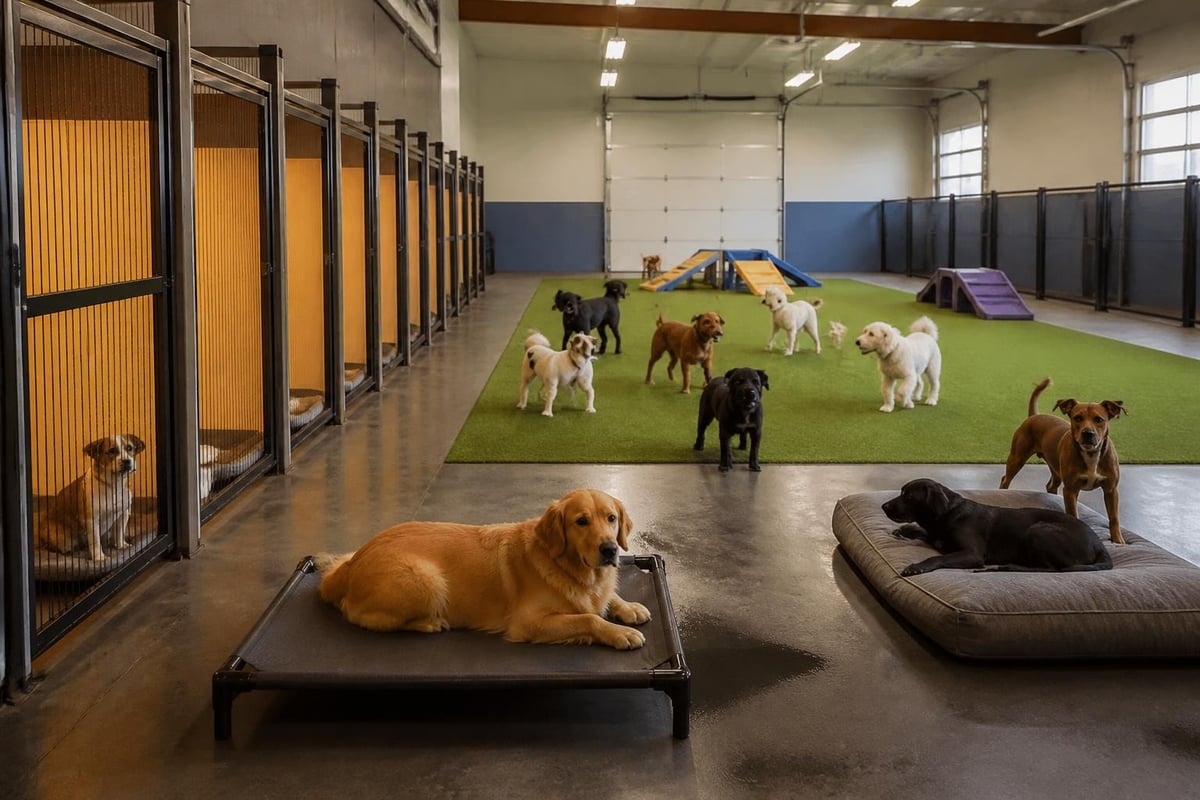
The physical layout matters tremendously for your dog’s wellbeing. According to RSPCA operational guidance for kennels, proper space allocation, ventilation, and noise reduction are critical welfare considerations. Facilities should provide adequate room for dogs to move naturally, stretch, and express normal behaviors.
Space and Accommodation Standards
When touring a boarding facility, pay close attention to the accommodations. Each dog should have their own designated space that’s clean, dry, and comfortable.
| Feature | Minimum Standard | Premium Option |
|---|---|---|
| Indoor space per dog | 32-40 sq ft | 50+ sq ft with raised bed |
| Outdoor access | Supervised potty breaks | Individual outdoor runs |
| Bedding | Clean mat or blanket | Orthopedic bed, personal items allowed |
| Temperature control | Heated/cooled common areas | Individual climate zones |
Larger breeds like German Shepherds and Golden Retrievers need more space to feel comfortable. Smaller breeds and brachycephalic dogs such as French Bulldogs require careful temperature monitoring due to their unique health considerations.
Essential Safety Features Every Facility Should Have
Safety should never be compromised at any boarding facility. Before committing to a location, verify they have comprehensive safety protocols in place.
Health and Wellness Protocols
Reputable facilities require up-to-date vaccination records including rabies, distemper, parvovirus, and bordetella (kennel cough). This protects not only your dog but all the residents in the facility.
Critical health measures include:
- Pre-boarding health assessments for every dog
- Isolation areas for dogs showing illness symptoms
- Daily health checks by trained staff
- On-call veterinary relationships for emergencies
- Proper sanitation between guests
Staff should know how to recognize signs of distress or illness. Understanding what your dog’s body language is really telling you helps caregivers respond quickly to potential problems. Similarly, recognizing signs your dog is bored ensures enrichment activities are adjusted appropriately.
Security and Supervision
The facility should have multiple security measures preventing escapes and unauthorized access. Double-gated entry points, secure fencing at least six feet high, and 24-hour supervision are non-negotiable features.
Ask about staff-to-dog ratios during different times of day. A good boarding facility maintains adequate supervision to monitor interactions, prevent conflicts, and respond to emergencies. Overnight supervision is especially important for senior dogs or those with medical conditions.
Enrichment and Exercise Programs
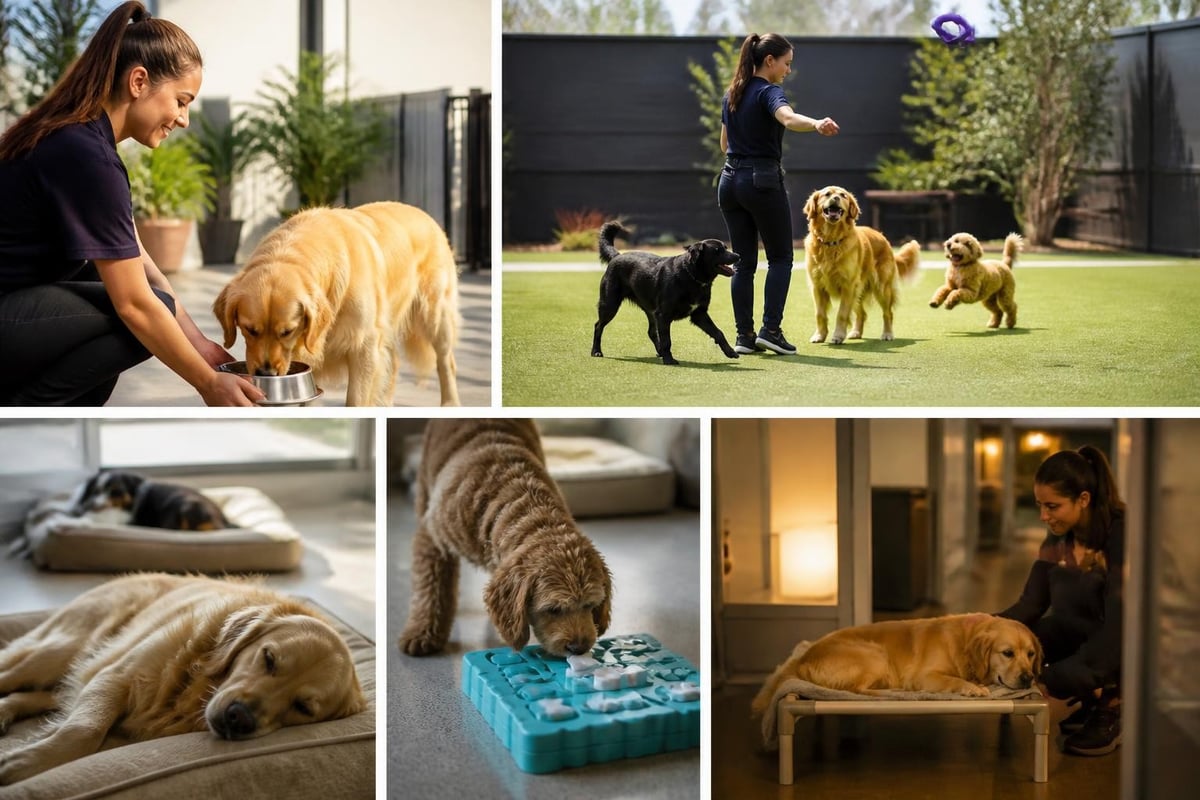
A quality boarding facility understands that physical and mental stimulation are essential for canine wellbeing. Dogs shouldn’t spend their entire stay in kennels.
Daily Activity Structure
Most facilities offer multiple exercise periods throughout the day. The RSPCA kennelling checklist emphasizes the importance of regular exercise, social interaction, and environmental enrichment to reduce stress.
Typical daily schedules include:
- Morning potty break and breakfast
- Mid-morning group play or individual exercise
- Midday rest period with quiet enrichment
- Afternoon play session or walk
- Evening meal and settling routine
- Late-night potty break
Some premium facilities even offer sniff walks designed to provide mental stimulation through scent exploration. This type of enrichment can be especially beneficial for anxious dogs or those who struggle with traditional exercise.
Socialization Opportunities
Group play can be wonderful for social dogs, but it’s not right for everyone. The best boarding facilities assess each dog’s temperament and comfort level before introducing them to group settings.
| Socialization Level | Activity Type | Best For |
|---|---|---|
| High social | Group play sessions | Friendly, well-socialized dogs |
| Moderate social | Small group or pair play | Dogs comfortable with select companions |
| Low social | Individual exercise and staff interaction | Shy, anxious, or aggressive dogs |
| No social | Solo activities with human enrichment | Reactive or fearful dogs |
Staff should continuously monitor group dynamics and separate dogs at the first sign of tension. Understanding canine body language and communication is essential for preventing conflicts.
Customized Care for Special Needs
Not all dogs have the same requirements. A flexible boarding facility accommodates individual needs ranging from dietary restrictions to medical care.
Medical Care and Medication
If your dog requires medication, the facility should have clear protocols for administration, documentation, and monitoring. Staff members should be trained to give pills, topical treatments, insulin injections, or other necessary care.
Maintain a detailed information sheet including:
- Current medications with exact dosing schedules
- Dietary restrictions or allergies
- Emergency contact information for your veterinarian
- Behavioral quirks or triggers
- Comfort items that help your dog relax
Facilities should also have relationships with local veterinarians or emergency clinics for unexpected health issues. Ask about their policy for dog emergencies and who makes decisions if you’re unreachable.
Dietary Accommodations
Many boarding facilities provide standard commercial food, but the best ones allow you to bring your dog’s regular diet. Consistency in nutrition helps prevent digestive upset during an already stressful time.
If your dog follows a personalized nutrition plan with fresh or raw food, confirm the facility can properly store and serve these meals. Refrigeration, proper handling, and feeding schedules should align with your home routine.
Questions to Ask During Your Facility Tour
Never book a boarding facility without visiting in person. A tour reveals important details about cleanliness, staff attitude, and overall environment.
Must-Ask Questions
- What are your staff qualifications and training requirements?
- How do you handle behavioral issues or dog conflicts?
- What’s your policy if my dog becomes ill?
- Can I see where my dog will sleep and play?
- What’s your cancellation and refund policy?
- Do you offer webcam access so I can check on my dog?
- How do you handle dogs with separation anxiety?
- What happens during extreme weather events?
- Are there any breed or size restrictions?
- What’s included in the daily rate versus add-on services?
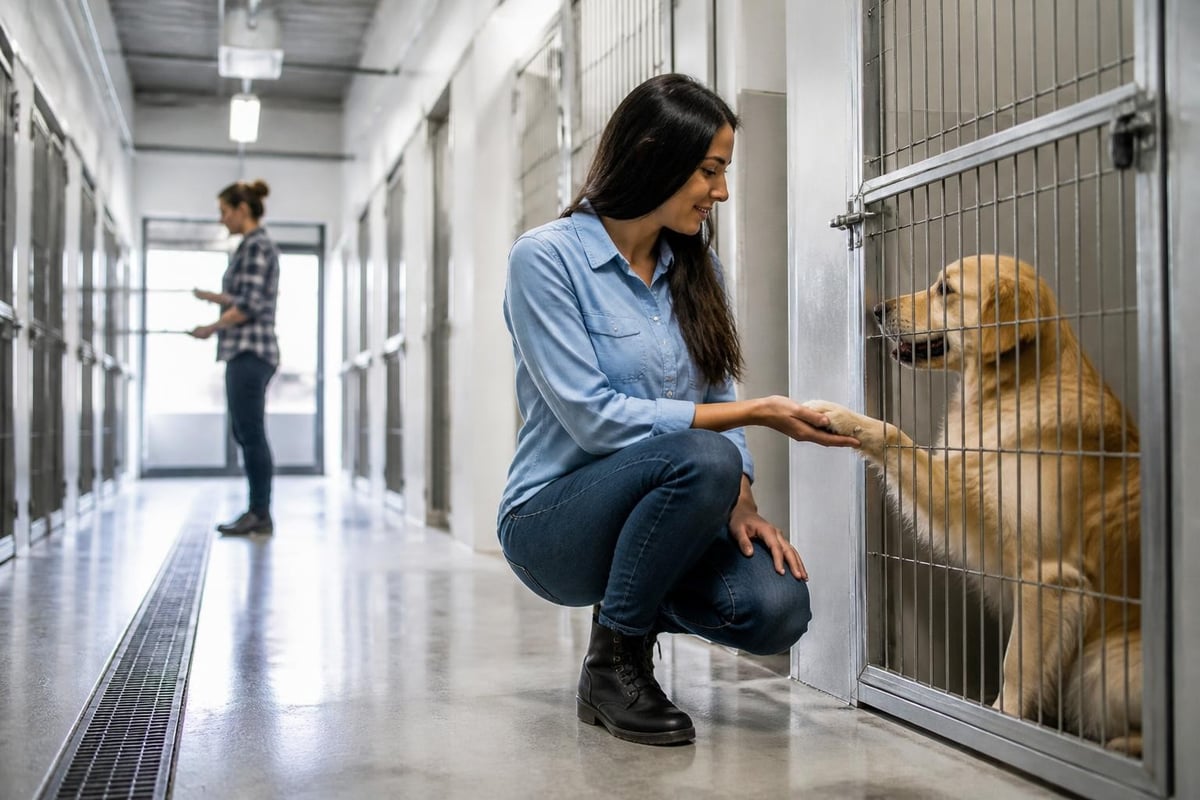
Trust your instincts during the tour. The facility should smell clean (not overwhelmingly of chemicals or waste), staff should seem knowledgeable and caring, and dogs should appear calm and content.
Preparing Your Dog for Their Boarding Stay
Even at the best boarding facility, some dogs experience stress when separated from their families. Proper preparation helps minimize anxiety.
Pre-Boarding Preparation Steps
Start preparations at least two weeks before your trip:
- Schedule a trial visit or daycare day if available
- Update all vaccinations and obtain documentation
- Purchase identification tags with your contact information
- Pack familiar items like bedding or toys
- Gradually adjust feeding times to match facility schedule
- Practice crate training if your dog isn’t already comfortable
Dogs who struggle with leash manners benefit from pre-boarding training. Learning how to stop pulling on the leash makes transitions smoother for both your dog and facility staff during exercise times.
What to Pack
Create a packing list to ensure nothing gets forgotten:
- Current vaccination records and health certificates
- Sufficient medication in original containers with clear labels
- Your dog’s regular food (slightly more than needed)
- Favorite toys or comfort items
- Leash and collar with ID tags
- Special bedding if allowed
- Emergency contact information
Label everything with your dog’s name. Even the most organized facilities can mix up belongings when caring for multiple dogs.
Understanding Costs and Value
Boarding facility prices vary widely based on location, amenities, and services. Understanding what you’re paying for helps you evaluate whether a facility offers good value.
Typical Pricing Structure
| Service Level | Daily Rate Range | Included Features |
|---|---|---|
| Basic boarding | $25-40 | Kennel, meals, potty breaks |
| Standard boarding | $40-60 | Above plus group play, bedding |
| Premium boarding | $60-85 | Private suites, webcams, extra activities |
| Luxury boarding | $85-150+ | Spacious accommodations, spa services, premium care |
Additional fees might apply for medication administration, extra play sessions, grooming, or special dietary needs. Always request a complete price breakdown before booking. Compare these rates with dog sitting prices for in-home care to determine which option best fits your budget and your dog’s needs.
Geographic location significantly impacts pricing. Urban facilities typically charge more than rural ones. If you’re searching for cheap dog daycare near me, remember that extremely low prices might indicate corner-cutting on important safety or welfare features.
Alternative Boarding Options
Traditional boarding facilities aren’t the only option for dog care. Understanding alternatives helps you choose the best fit for your specific situation.
In-Home Boarding
Some pet sitters offer boarding in their own homes, providing a more home-like environment with fewer dogs. This option works well for anxious dogs or those who thrive on individual attention.
Kennel-Free Facilities
Modern cage-free boarding facilities allow dogs to roam freely in supervised group settings. While this appeals to highly social dogs, it’s not appropriate for every temperament.
Veterinary Boarding
If your dog has significant medical needs or anxiety, boarding at your veterinary clinic ensures immediate medical care. However, these facilities often have limited enrichment compared to dedicated boarding operations.
Business Planning for Aspiring Facility Owners
If you’re considering opening your own boarding facility, thorough planning is essential. The U.S. Small Business Administration offers business planning resources including templates for estimating startup costs, licensing requirements, and financial projections.
Key startup considerations include:
- Zoning regulations and permits
- Liability insurance requirements
- Initial facility construction or renovation costs
- Staff hiring and training programs
- Marketing and client acquisition strategies
- Equipment and supply inventory
- Emergency protocols and veterinary partnerships
Success requires balancing animal welfare with business viability. Investing in quality facilities, well-trained staff, and comprehensive safety measures builds reputation and client loyalty.
Frequently Asked Questions
How far in advance should I book a boarding facility?
Book at least 2-4 weeks ahead for regular periods and 2-3 months for holidays. Popular facilities fill up quickly, especially during peak travel seasons like summer and major holidays.
Can I visit my dog during their boarding stay?
Policies vary by facility. Some allow visits while others discourage them because visits can increase stress and adjustment difficulties. Ask about their specific policy when booking.
What if my dog doesn’t eat well at the boarding facility?
Decreased appetite is common during the first day or two due to stress. Quality facilities monitor food intake and will contact you if your dog refuses multiple meals. Bringing familiar food helps maintain normal eating patterns.
Are boarding facilities safe for puppies?
Most facilities require puppies to be at least four months old and fully vaccinated. Young puppies have developing immune systems and may be more vulnerable to stress and illness.
How do boarding facilities handle aggressive dogs?
Reputable facilities assess temperament before accepting dogs. Aggressive dogs typically receive private accommodations and exercise without group interaction. Some facilities specialize in challenging behaviors while others decline dogs with aggression histories.
Should I bring my dog’s bed and toys?
Most facilities allow familiar items, though policies vary. Favorite toys and bedding can provide comfort, but understand items may get lost or damaged. Label everything clearly with your dog’s name.
Selecting the right boarding facility ensures your dog receives excellent care while you’re away, giving you peace of mind during your travels or busy periods. By prioritizing safety, enrichment, qualified staff, and proper accommodations, you’ll find a facility where your furry friend thrives. Whether you need guidance on health and nutrition, training tips, or breed-specific care advice, Dog Care Guide offers cheerful, practical resources to help you provide the best possible care for your beloved companion.