
Finding the perfect four-legged companion for your household is one of the most exciting decisions you'll ever make. Whether you have energetic toddlers, teenagers, or a multi-generational home, choosing from the best family dog breeds means considering temperament, energy levels, grooming needs, and how well a pup will adapt to your daily routines. We're here to help you navigate this joyful journey with warmth and practical guidance, ensuring your new furry friend becomes a cherished member of your pack for years to come.
What Makes a Dog Breed Family-Friendly?
When we talk about the best family dog breeds, we're really looking at a combination of traits that help a dog thrive in busy, loving households. Temperament sits at the top of the list. You want a dog that's patient with children, tolerant of noise and activity, and eager to please.
Trainability matters enormously. Families benefit from dogs that respond well to positive reinforcement and can learn household rules quickly. Recent research on behavioral differences between breeds suggests that while breed tendencies exist, individual variation is significant, which means training and socialization play crucial roles.
Key Traits to Look For
- Patience and gentleness with children of all ages
- Adaptable energy levels that match your family's activity
- Social nature that welcomes guests and new experiences
- Stable temperament without excessive anxiety or aggression
- Manageable size for your living space and physical capabilities
Energy level should align with your lifestyle. An active family that loves hiking and outdoor adventures might adore a high-energy breed, while a quieter household may prefer a more laid-back companion. The American Veterinary Medical Association offers practical guidance on matching lifestyle factors to the right dog.
Size considerations extend beyond just space. Think about whether young children can safely interact with a large, exuberant dog, or whether an elderly family member can comfortably handle walking duties.
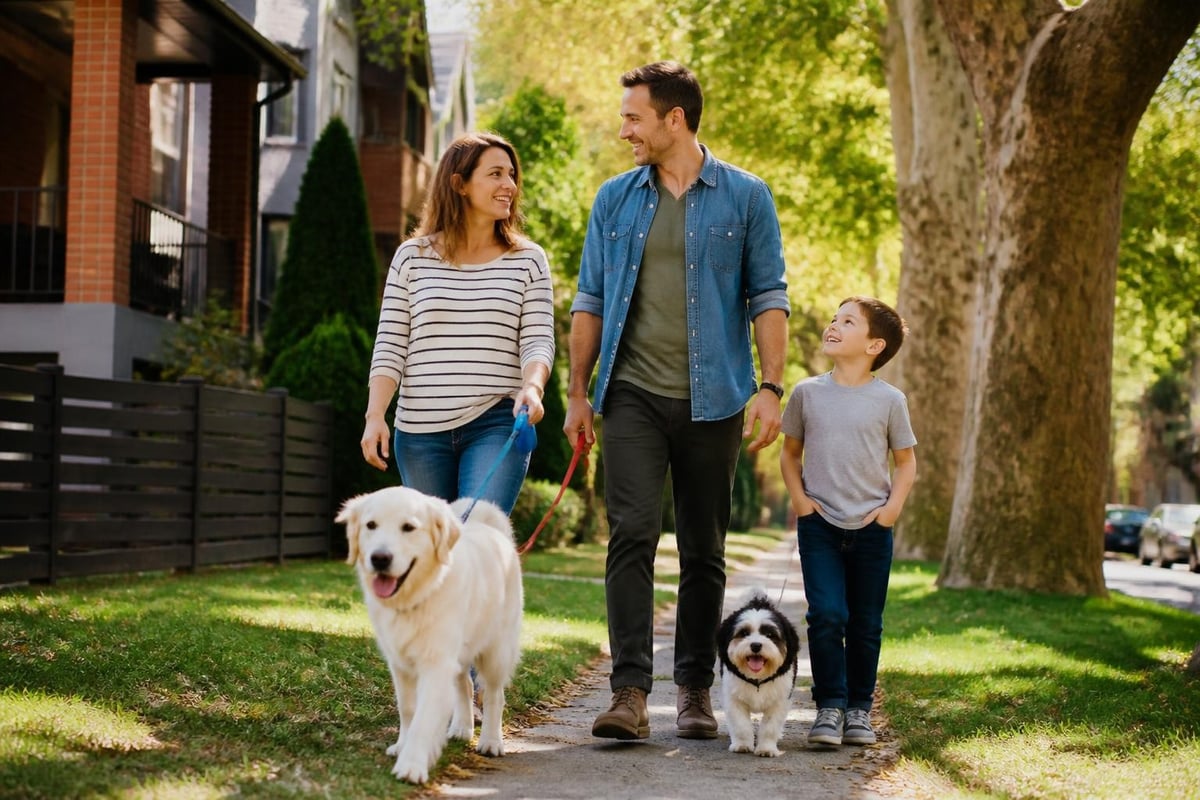
Top Picks Among the Best Family Dog Breeds
Let's explore some wonderful breeds that consistently earn their place in family homes. Each brings unique qualities, and understanding these differences helps you find your perfect match.
Labrador Retriever
The Labrador Retriever has topped family favorite lists for decades, and for excellent reasons. These friendly, outgoing dogs possess seemingly endless patience with children and an eagerness to participate in every family activity.
Why families love them:
- Gentle mouth and soft temperament around kids
- Highly trainable and food-motivated
- Versatile energy for both play and relaxation
- Generally healthy with proper care and nutrition
Labs do shed moderately year-round and require regular exercise to stay happy and healthy. They're natural swimmers and retrievers, making them perfect for families who enjoy water activities and outdoor games.
Golden Retriever
Similar to their Labrador cousins, Golden Retrievers embody the ideal family companion. Their gentle, trustworthy nature makes them exceptional with children, while their intelligence shines during training sessions.
Goldens require more grooming than Labs due to their longer, flowing coats. They thrive on companionship and don't do well when left alone for extended periods. If your family includes someone home most of the day, this breed will reward you with unwavering loyalty and affection.
Beagle
These compact hounds bring cheerful energy and curiosity to family life. Beagles were bred to work in packs, which translates beautifully to modern family dynamics. They view household members as their pack and bond strongly with everyone.
| Breed Feature | Beagle Characteristics |
|---|---|
| Size | Small to medium (20-30 lbs) |
| Exercise needs | Moderate to high |
| Grooming | Low maintenance |
| Temperament | Friendly, curious, merry |
| Best for | Active families with secure yards |
Beagles follow their noses, so a securely fenced yard and leash discipline are essential. Their melodious howl can be charming or challenging depending on your living situation.
Boxer
Don't let their muscular build fool you. Boxers are gentle goofballs with children and possess seemingly endless patience for playtime. They're protective without being aggressive, making them excellent watchdogs who welcome friends warmly once properly introduced.
These athletic dogs need substantial daily exercise and mental stimulation. Families who enjoy active outdoor time will find a devoted companion in a Boxer. They do best with consistent training starting early, as their exuberance can be overwhelming without proper guidance.
Medium and Small Best Family Dog Breeds
Not every family has space for a large dog, and that's perfectly fine. Several smaller breeds make wonderful family companions with all the love and loyalty in more compact packages.
Cavalier King Charles Spaniel
These gentle, affectionate dogs adapt beautifully to various living situations. Cavaliers love everyone, from toddlers to grandparents, and their moderate size makes them manageable for children learning responsible pet care.
They're relatively quiet, which apartment dwellers appreciate. Regular grooming keeps their silky coats beautiful, and moderate exercise meets their needs. Cavaliers thrive on companionship and make excellent therapy and emotional support animals.
Poodle (Standard, Miniature, or Toy)
Poodles come in three sizes, ensuring there's an option for every family. All three varieties share the breed's hallmark intelligence, making training a joy. Their hypoallergenic coats shed minimally, which benefits families with allergies.
Standard Poodles offer athletic ability for active families, Miniatures provide a perfect middle ground, and Toys suit smaller spaces. All require professional grooming every six to eight weeks, which is an important budget consideration.
Bulldog
Whether English or French, Bulldogs bring calm, patient energy to family homes. They're particularly wonderful with young children, tolerating pokes, prods, and enthusiastic hugs with remarkable grace.
- Minimal exercise requirements suit less active households
- Compact size works well in apartments
- Low grooming needs (though facial wrinkles need regular cleaning)
- Affectionate, loyal personality
Both varieties have brachycephalic (flat-faced) features that require special health and nutrition considerations, especially in hot weather. The French Bulldog’s specific care needs deserve careful attention.
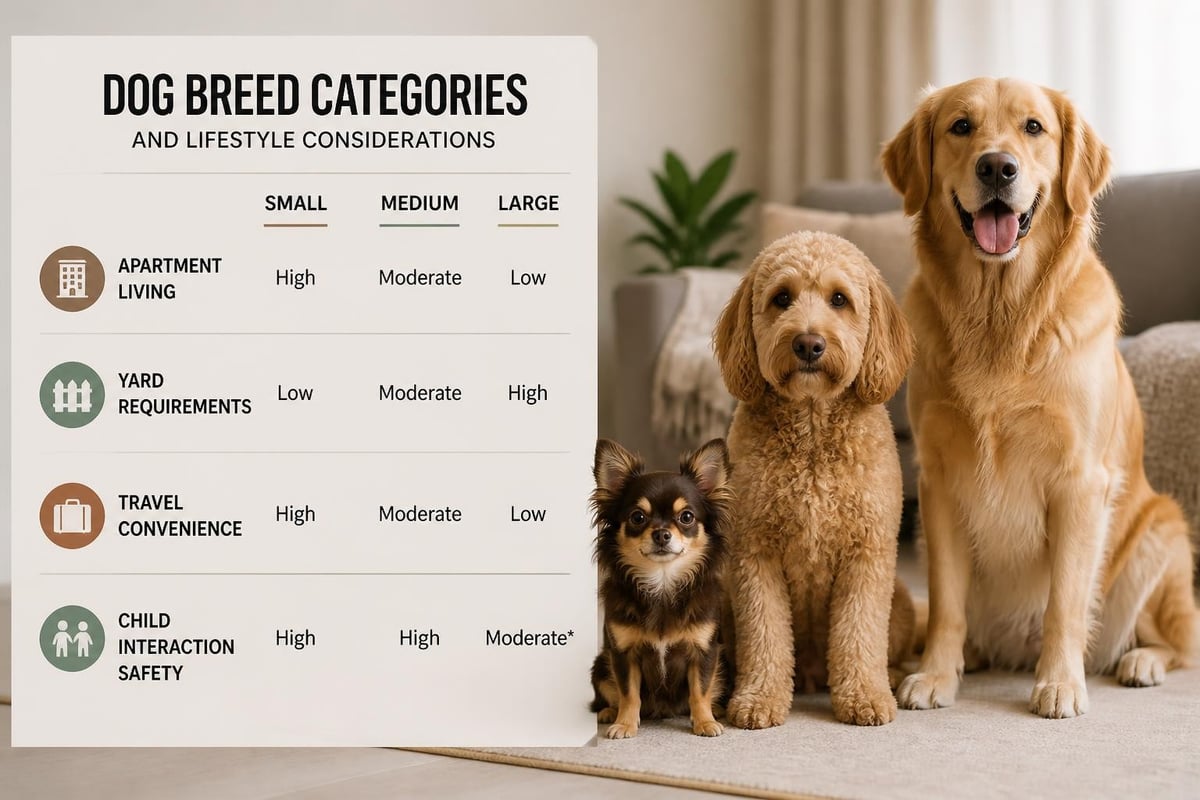
Active Families and Energetic Breeds
If your household buzzes with activity and weekend adventures, certain best family dog breeds will match your energy beautifully.
Australian Shepherd
These intelligent, hardworking dogs need jobs to stay happy. Families involved in dog sports, hiking, or who have large properties find Aussies incredibly rewarding. They excel at agility, frisbee, and any activity that challenges their minds and bodies.
Australian Shepherds bond intensely with their families and can be reserved with strangers. Early socialization ensures they remain confident and friendly. Their herding instinct may lead them to gently herd children, which most kids find delightful.
Vizsla
Often called "velcro dogs" for their devotion, Vizslas crave constant companionship. These sleek, athletic dogs make fantastic running partners and adventure buddies for active families. Their short coats require minimal grooming, and they're generally quite clean.
Vizslas need substantial daily exercise. Without it, they may develop anxiety or destructive behaviors. Families committed to providing at least an hour of vigorous activity daily will discover an incredibly loving companion.
Considering Mixed Breeds and Rescue Dogs
While purebred dogs from the best family dog breeds offer predictability in size and temperament, mixed-breed dogs deserve equal consideration. Organizations like Best Friends Animal Society provide resources for finding the perfect rescue match.
Advantages of Mixed Breeds
Genetic diversity often translates to fewer health problems. Mixed breeds may combine the best traits of multiple breeds, and many shelters conduct temperament testing to help match dogs to appropriate families.
Working with a reputable shelter or rescue organization means access to staff who know each dog's personality. They can guide you toward dogs that have demonstrated good behavior with children and other pets.
| Consideration | Purebred | Mixed Breed |
|---|---|---|
| Predictability | Higher (size, coat, temperament tendencies) | Variable |
| Health | Breed-specific concerns | Often hybrid vigor |
| Cost | Typically higher | Usually lower adoption fees |
| Availability | May require breeder waitlist | Many available immediately |
| Temperament assessment | Based on breed standards | Individual evaluation available |
The RSPCA offers family-focused guidance that emphasizes matching individual dogs to households rather than relying solely on breed stereotypes.
Preparing Your Home for Your New Family Dog
Bringing home one of the best family dog breeds requires preparation beyond just excitement. Creating a welcoming, safe environment sets everyone up for success.
Essential Supplies and Setup
- Comfortable sleeping area away from high-traffic zones
- Food and water bowls appropriate for your dog's size
- Quality food matched to age and breed requirements
- Collar, leash, and identification tags
- Age-appropriate toys for mental stimulation
- Grooming supplies specific to coat type
Puppy-proofing or dog-proofing means securing hazards like electrical cords, toxic plants, and small objects. Designate spaces where your dog can retreat when overwhelmed, teaching children to respect these quiet zones.
Crate training provides a safe den and aids housebreaking. Introduce the crate positively, never using it as punishment.
Training and Socialization for Family Dogs
Even the most naturally gentle breeds benefit enormously from proper training and socialization. Training and behavior guidance helps establish household harmony from day one.
Foundation Training for Family Dogs
Basic commands like sit, stay, come, and down create a communication framework between your dog and all family members. Consistency across family members prevents confusion.
Positive reinforcement works beautifully with family dogs. Reward desired behaviors with treats, praise, and play. This approach builds trust and enthusiasm for learning.
Stopping unwanted behaviors like jumping requires patience and consistency. Teach children appropriate ways to interact with the dog during training sessions.
Socialization Windows
Puppies have critical socialization periods between 3 and 14 weeks. Expose them to various people, sounds, surfaces, and experiences during this time. Older rescue dogs may need gradual, positive exposure to new situations.
- Introduce friendly, vaccinated dogs in controlled settings
- Visit different environments (parks, streets, pet-friendly stores)
- Meet people of various ages, including children
- Experience common household sounds (vacuums, doorbells)
- Practice car rides and handling for veterinary care
Research on emotional states in dogs confirms that positive early experiences shape lifelong emotional well-being and resilience.

Health Considerations for Family Breeds
Maintaining your dog's health protects both their wellbeing and your family's happiness. Different breeds among the best family dog breeds carry specific health considerations.
Regular Veterinary Care
Annual wellness exams catch problems early. Puppies need a series of vaccinations, while adult dogs require yearly boosters and preventive screenings. The Merck Veterinary Manual provides comprehensive guidance on health considerations when selecting dogs.
Preventive care includes:
- Heartworm, flea, and tick prevention
- Dental care and regular teeth brushing
- Spaying or neutering at appropriate ages
- Breed-specific health screenings
Preparing your dog for vet visits reduces stress for everyone involved. Practice handling paws, ears, and mouth at home so examinations feel familiar.
Nutrition for Growing and Adult Dogs
Quality nutrition supports healthy development and longevity. Large breed puppies need specially formulated food to support proper bone growth without excessive weight gain. Small breeds have faster metabolisms and different caloric needs.
Switching your dog’s food requires a gradual transition over 7-10 days. Mix increasing amounts of new food with decreasing amounts of old food to prevent digestive upset.
Some of the best family dog breeds are prone to obesity, particularly Labradors, Beagles, and Bulldogs. Monitor body condition and adjust portions as needed.
Frequently Asked Questions
What is the best family dog breed for first-time owners?
Labrador Retrievers and Golden Retrievers consistently rank among the best dog breeds for temperament and ease of training. Their forgiving nature and eagerness to please make them excellent for families new to dog ownership. Cavalier King Charles Spaniels offer a smaller alternative with similar gentle qualities.
Are certain breeds better with young children versus teenagers?
While individual temperament matters most, breeds like Labrador Retrievers, Golden Retrievers, and Beagles typically handle the unpredictability of young children exceptionally well. The AKC’s recommendations for family dogs provide detailed breed profiles. Teenagers might enjoy more energetic breeds like Australian Shepherds or Vizslas that can participate in sports and outdoor activities.
How much exercise do the best family dog breeds need?
Exercise requirements vary significantly. Bulldogs and Cavaliers need 30-45 minutes daily, while Labrador Retrievers, Boxers, and Australian Shepherds thrive with 60-120 minutes of activity. Dog care tips on our site help you establish routines that keep your pup healthy and content.
Should I choose a puppy or adopt an adult dog for my family?
Both options have merits. Puppies allow you to shape behavior from the start but require intensive training and supervision. Adult dogs often come housetrained and past destructive puppy phases. Behavioral testing methods help shelters assess adult dog temperaments accurately, making it easier to find family-friendly matches.
What if someone in my family has allergies?
Poodles, Portuguese Water Dogs, and some terrier breeds shed minimally and may work for allergy sufferers. No dog is truly hypoallergenic, as allergies react to dander, not just fur. Spend time with the specific breed before committing, and maintain rigorous grooming and cleaning routines.
How do I know if a specific dog is right for my family?
Beyond breed characteristics, observe individual temperament. Reputable breeders and shelters allow multiple visits to interact with dogs. Watch how the dog responds to children, handles excitement, and recovers from surprises. Finding the right dog breed involves both research and intuition about your family's unique dynamics.
What are the costs associated with owning family dogs?
Initial costs include adoption fees or purchase price ($50-$3000+), supplies ($200-$500), and initial veterinary care ($200-$500). Ongoing expenses include food ($300-$1200/year), routine vet care ($300-$700/year), grooming ($0-$800/year depending on breed), and unexpected medical costs. Budget for pet insurance or emergency savings of $1000-$3000.
Building Lasting Bonds With Your Family Dog
The best family dog breeds offer more than companionship. They teach children responsibility, provide comfort during difficult times, and create countless joyful memories. Your dog will grow alongside your family, celebrating birthdays, comforting tears, and sharing in everyday adventures.
Involve everyone in daily care. Even young children can help fill water bowls, brush fur, or practice simple commands. These shared responsibilities strengthen bonds and teach valuable life skills.
Create traditions around your dog. Maybe it's Saturday morning walks to a favorite park, Sunday afternoon fetch sessions, or quiet evening cuddles. These routines provide structure your dog craves while building family connection.
Recognize that dogs make each family unique by reflecting and enhancing household dynamics. Your family dog becomes part of your story, shaping who you are together.
Adapting as Your Family Grows and Changes
Life evolves. Babies arrive, children leave for college, work schedules shift. The most successful family dogs adapt to these changes with proper support. Maintain routines where possible, provide extra attention during transitions, and ensure your dog's needs remain priorities.
If behavior challenges arise, address them quickly with professional help. Changes in routine, health issues, or lack of mental stimulation often underlie problem behaviors. Recognizing signs of boredom prevents issues before they escalate.
The commitment you make to one of the best family dog breeds spans a decade or more. This long-term relationship requires patience, adaptability, and unconditional love. In return, you receive loyalty, joy, and friendship that enriches every family member's life in immeasurable ways.
Choosing from the best family dog breeds means finding a companion whose temperament, energy level, and care requirements align beautifully with your household's unique rhythm. Whether you welcome a playful Labrador, a gentle Cavalier, or a loving rescue dog, the journey ahead promises years of tail wags, wet-nose kisses, and unconditional love. For more heartwarming guidance on grooming, training, nutrition, and daily care routines that help you pamper and protect your new furry family member, explore the comprehensive resources at Dog Care Guide. We're here to support every step of your adventure together.