
When you see a golden retriever happy, you’re witnessing one of the most joyful sights in the canine world. These beloved companions wear their emotions on their sleeves (or should we say, their wagging tails?), and understanding what makes them truly content helps us provide better care. Whether you’re a new Golden parent or a seasoned owner, recognizing and nurturing happiness in your furry friend creates a stronger bond and ensures a healthier, more fulfilling life together. Let’s explore the signs, science, and strategies behind keeping your Golden Retriever radiating joy every single day.
Understanding What Makes a Golden Retriever Happy
Golden Retrievers thrive on connection, activity, and purpose. These intelligent, social dogs were bred to work alongside humans, and that heritage means they’re happiest when they’re part of your daily routine.
Physical exercise tops the list of happiness essentials. A golden retriever happy with life needs at least 60-90 minutes of daily activity. This doesn’t mean just letting them out in the yard; structured walks, sniff walks that engage their incredible noses, swimming sessions, and fetch games all contribute to their mental and physical wellbeing.
The Science Behind Canine Happiness
Research has made tremendous strides in understanding positive emotions in dogs. Studies on assessing positive emotions in companion dogs reveal that happiness isn’t just about tail wags. It involves complex neurological responses, hormonal balance, and behavioral patterns that we can observe and measure.
Key happiness indicators include:
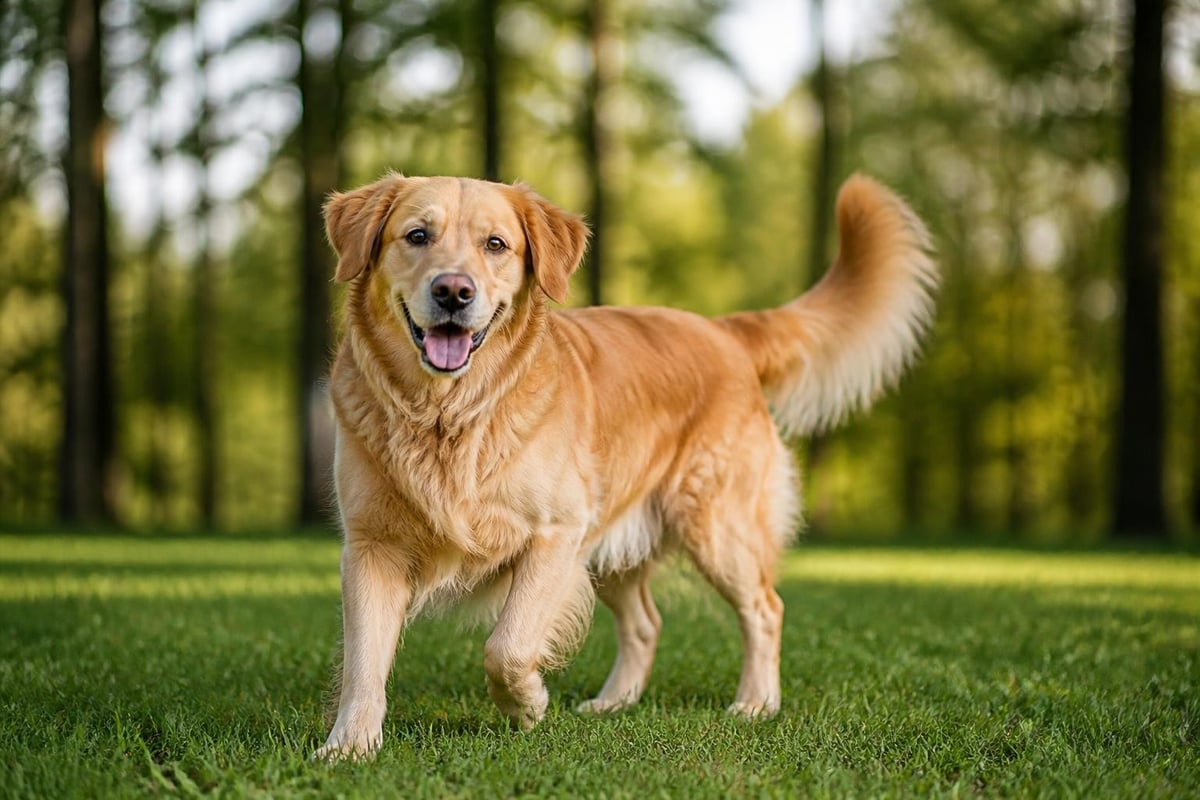
- Relaxed body posture with loose, wiggly movements
- Soft, bright eyes with normal pupil size
- Open mouth “smile” with relaxed jaw
- Enthusiastic greeting behaviors
- Consistent appetite and healthy sleep patterns
- Playful invitations and social engagement
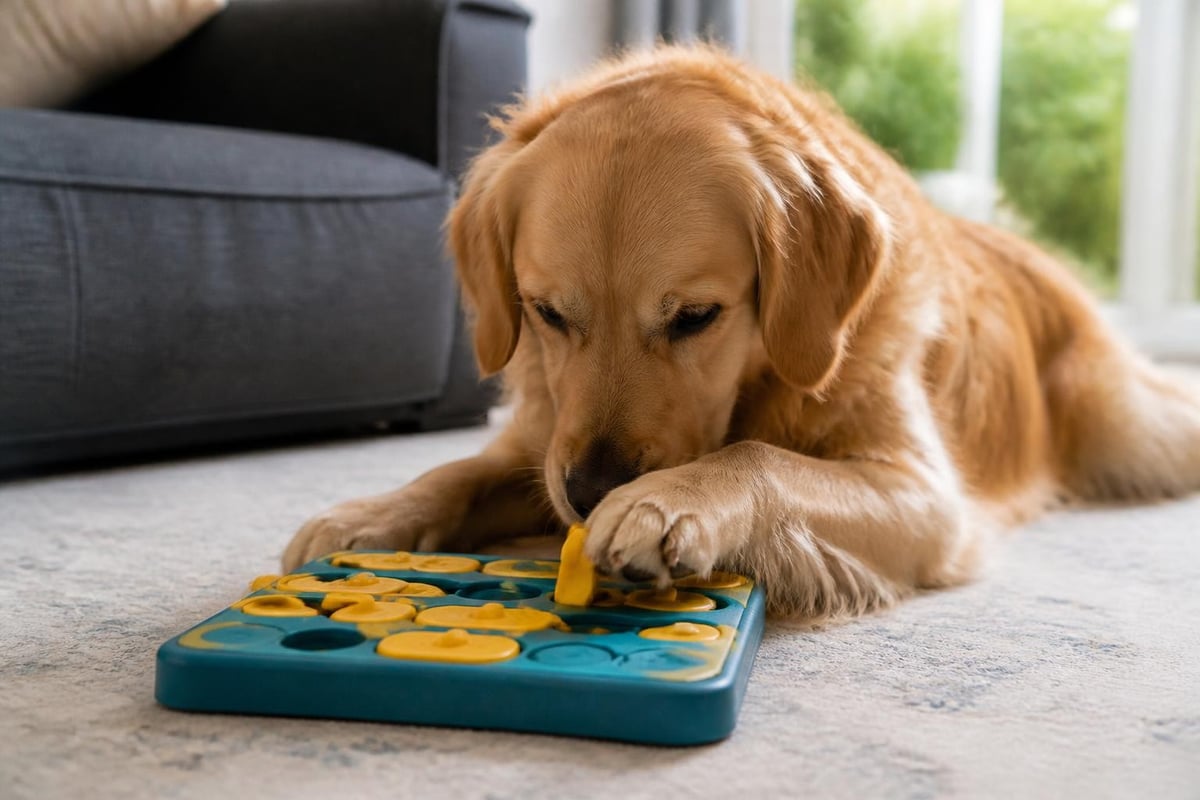
Mental stimulation ranks equally important as physical exercise. Golden Retrievers are working dogs at heart, and enrichment activities significantly improve dog welfare. Puzzle feeders, training sessions, nose work games, and new experiences keep their brilliant minds engaged and satisfied.
Reading Your Golden Retriever’s Emotional Signals
Learning to read dog body language transforms your relationship. While every dog is unique, Golden Retrievers display happiness through remarkably consistent patterns.
Physical Signs of Joy
| Body Part | Happy Signal | What It Means |
|---|---|---|
| Tail | Broad, circular wag | Genuine excitement and contentment |
| Ears | Relaxed, natural position | Calm and comfortable |
| Eyes | Soft gaze, slight squint | Trust and affection |
| Mouth | Slight open, “smiling” | Relaxed and pleased |
| Body | Loose, wiggly movement | No tension or stress |
A golden retriever happy to see you performs what we call the “Golden spin,” that full-body wiggle that starts at the nose and works its way to a helicopter tail. It’s impossible to fake and absolutely unmistakable.
Beyond physical cues, understanding dog behavior and needs helps you recognize contentment in quieter moments. A truly content Golden might simply lie near you, sighing softly, making brief eye contact that says “all is well.”
Behavioral Markers of Wellbeing
Happy Golden Retrievers initiate play, even as they age. They bring you toys, perform play bows, and engage with family members enthusiastically. They show curiosity about their environment without fearfulness, investigate new objects with confidence, and recover quickly from surprises.
Daily happiness checklist:
- Eager for meals without guarding behavior
- Sleeps soundly but wakes alert and ready
- Seeks out interaction without demanding constant attention
- Shows interest in walks and activities
- Maintains grooming habits like self-cleaning
- Responds positively to their name and familiar cues
Understanding what your dog’s body language is really telling you helps you distinguish between genuine happiness and stress-masking behaviors that some overly-pleasing Goldens display.
Essential Care Practices for a Happy Golden Retriever
Creating lasting happiness requires attention to several interconnected areas of care. Each element builds upon the others to create a foundation of wellbeing that keeps your Golden thriving throughout their lifetime.
Nutrition and Physical Health
The connection between proper nutrition and emotional wellbeing cannot be overstated. A golden retriever happy with their diet shows enthusiasm at mealtimes, maintains healthy weight and energy levels, and displays a lustrous coat.
Personalized dog nutrition approaches have revolutionized how we feed our companions. Golden Retrievers benefit from diets rich in omega-3 fatty acids for joint health, quality proteins for muscle maintenance, and controlled portions to prevent obesity, a common breed challenge.

Regular veterinary care prevents health issues that diminish quality of life. The Golden Retriever Lifetime Study tracks thousands of Goldens to understand breed-specific health patterns, revealing that proactive care dramatically improves both longevity and happiness.
Grooming as Bonding Time
Grooming sessions offer more than hygiene; they’re opportunities for connection and health monitoring. A golden retriever happy during grooming has learned to associate these sessions with positive attention and physical comfort.
Weekly grooming routine:
- Brush coat 3-4 times weekly to prevent matting
- Check ears for redness or odor
- Inspect paws for cuts or foreign objects
- Brush teeth several times weekly
- Trim nails every 2-3 weeks
Transform grooming from chore to joy by pairing sessions with treats, praise, and calm energy. Many Goldens come to love grooming time because it means undivided attention from their favorite human.
Training and Mental Enrichment for Lasting Happiness
Golden Retrievers possess exceptional intelligence that demands regular challenges. A bored Golden becomes an unhappy Golden, often developing unwanted behaviors simply to create their own stimulation.
Positive Reinforcement Training
Positive reinforcement methods from trusted sources work exceptionally well with Golden Retrievers. These sensitive, people-pleasing dogs respond beautifully to encouragement and rewards, building confidence alongside skills.
Training sessions serve multiple purposes. They strengthen your bond, provide mental exercise, teach practical life skills, and boost your dog’s confidence. Even five-minute training bursts throughout the day contribute significantly to a golden retriever happy and engaged.
Training activities Goldens love:
- Basic obedience with increasing difficulty
- Retrieve games with variations (find it, fetch specific items)
- Scent work and nose games
- Agility or obstacle courses
- Swimming and water retrieves
- Therapy dog preparation
If you notice signs your dog is bored, increase mental challenges before behavioral issues develop. Prevention always beats correction.
Social Connections and Companionship
Golden Retrievers rank among the most social breeds. A golden retriever happy in their social life enjoys regular interaction with both humans and other dogs (when properly socialized).
| Social Need | How to Meet It | Frequency |
|---|---|---|
| Human bonding | Quality time, training, play | Daily, multiple sessions |
| Canine friendship | Dog parks, playdates, classes | 2-3 times weekly |
| New experiences | Different routes, places, people | Weekly variety |
| Family inclusion | Indoor time, activities together | Continuous |
Research shows that companion animals influence human wellbeing while we simultaneously impact theirs. This mutual relationship means your Golden thrives when they’re integrated into family life, not isolated in the backyard.
Life Stages and Happiness Needs
A golden retriever happy at eight weeks has different needs than one celebrating their eighth birthday. Adapting care to life stages ensures sustained wellbeing throughout their lifetime.
Puppyhood: Building Foundations
Puppy happiness centers on safe exploration, positive socialization, and establishing routines. Crate training done properly creates security rather than stress, giving puppies a den where they can retreat and relax.
Young Goldens need shorter, more frequent activities. Their growth plates remain open until 12-18 months, so avoid excessive jumping or hard running on pavement. Instead, focus on swimming, gentle play, and extensive socialization that builds confidence.
Adult Years: Maintaining Vitality
Prime adult years (2-7 years) allow for peak activity. This golden retriever happy stage involves establishing sustainable routines that you can maintain long-term. Adults need consistent exercise, ongoing training, preventive health care, and mental challenges.
Many owners find that understanding their Golden Retriever’s breed-specific needs helps them provide optimal care during these energetic years.
Senior Comfort and Joy
Senior Goldens (8+ years) remain capable of happiness, though their needs shift. Arthritis, reduced stamina, and sensory changes require adjustments, but don’t assume old means unhappy.
Senior happiness modifications:
- Shorter, more frequent walks instead of long hikes
- Orthopedic bedding for joint comfort
- Ramps or steps for furniture or vehicles
- Adapted games that match energy levels
- Increased veterinary monitoring
- Mental enrichment that doesn’t require physical intensity
Assessing quality of life in companion dogs helps owners make informed decisions about senior care, ensuring dignity and comfort throughout their final years.
Creating Daily Happiness Habits
Consistency creates security, and security enables happiness. Establishing daily routines that meet your Golden’s physical, mental, and emotional needs builds a framework for lasting contentment.
Morning Routines
Start days right with a bathroom break, fresh water, and a morning walk or play session. Many Golden owners find that feeding after exercise reduces bloat risk and creates a natural calm-down period.
Morning represents prime training time when dogs are fresh and focused. Even 10 minutes of training exercises sets a positive tone for the entire day.
Midday Engagement
If you work away from home, midday check-ins prevent loneliness and boredom. Dog walkers, trusted neighbors, or doggy daycare provide social interaction and bathroom breaks that contribute to a golden retriever happy throughout the day.
For home-based workers, lunch walks and brief training sessions break up the day beautifully. These interactions don’t need to be lengthy; consistency matters more than duration.
Evening Wind-Down
Evening routines might include dinner, family time, gentle play, and grooming sessions. After rainy walks, proper care prevents discomfort and maintains that gorgeous coat.
Establishing a bedtime routine signals rest time. Many Goldens appreciate this predictability, settling more easily when they know the day’s pattern.
Frequently Asked Questions
How do I know if my Golden Retriever is truly happy?
Signs that indicate your dog is genuinely happy include relaxed body language, enthusiastic greetings, healthy appetite, playful behavior, and seeking your company. A golden retriever happy with life displays consistent energy, engages willingly in activities, and shows curiosity about their environment. Physical indicators like a loose, wagging tail, soft eyes, and relaxed facial expression confirm emotional wellbeing.
What makes Golden Retrievers happiest?
Golden Retrievers find greatest happiness in purposeful activity alongside their people. They thrive on regular exercise (swimming especially), training sessions that challenge their intelligence, social interaction with family and other dogs, and feeling useful through jobs like retrieving, therapy work, or learning new skills. Mental stimulation through puzzle toys and nose work ranks equally important as physical exercise.
How much exercise does a Golden Retriever need to stay happy?
Adult Golden Retrievers typically need 60-90 minutes of daily exercise split across multiple sessions. This should include structured walks, off-leash play in safe areas, swimming when possible, and training activities. Puppies need shorter, more frequent sessions, while seniors require gentler but consistent activity. A golden retriever happy with their exercise routine shows calm behavior indoors and enthusiasm when activity time arrives.
Can Golden Retrievers be happy living indoors?
Absolutely! Golden Retrievers are actually happiest living inside with their families. While they need outdoor exercise and exploration, they’re companion dogs who thrive on human connection. Indoor living with regular outdoor activity, mental enrichment, and family inclusion creates optimal happiness. Backyard-only Goldens often become lonely and develop behavioral issues from isolation.
What are signs my Golden Retriever is unhappy or stressed?
Unhappiness manifests through decreased appetite, excessive sleeping or restlessness, destructive behavior, reduced interest in play, hiding or withdrawal, excessive panting or drooling when not exercising, and repetitive behaviors like pacing. Physical symptoms might include digestive issues, excessive shedding, or changes in bathroom habits. If you notice these signs, prepare for a vet visit to rule out health issues before assuming purely behavioral causes.
How does nutrition affect my Golden Retriever’s happiness?
Proper nutrition directly impacts energy levels, joint health, coat condition, and overall wellbeing, all contributing to happiness. Golden Retrievers prone to obesity need carefully measured portions and quality ingredients. Switching your dog’s food properly prevents digestive upset that causes discomfort. A golden retriever happy with their diet shows enthusiasm at mealtimes, maintains healthy weight, and displays vibrant energy for activities.
Keeping a golden retriever happy involves understanding their unique blend of intelligence, social nature, and working heritage. By providing consistent exercise, mental challenges, proper nutrition, and abundant love, you create the foundation for a joyful, thriving companion. At Dog Care Guide, we’re dedicated to helping you navigate every aspect of caring for your furry friend with practical advice and heartwarming support. Explore our resources to discover even more ways to pamper and protect your Golden Retriever throughout every stage of their wonderful life.