
French Bulldogs have captured our hearts with their adorable bat ears, wrinkly faces, and charming personalities. These compact companions bring endless joy to millions of families worldwide, but they also require specialized attention to thrive. Understanding proper french bulldog care is essential for every owner, whether you're welcoming your first Frenchie puppy or looking to improve your current care routine. These lovable dogs have unique needs that differ from many other breeds, and meeting those needs ensures your furry friend enjoys a long, comfortable, and happy life by your side.
Understanding Your French Bulldog's Unique Health Needs
French Bulldogs belong to the brachycephalic breed family, which means they have shortened skulls and flat faces. While this gives them their distinctive, adorable appearance, it also creates specific health challenges that require our attention and care.
Respiratory Health and BOAS
Brachycephalic Obstructive Airway Syndrome (BOAS) is one of the most significant health concerns in french bulldog care. This condition affects their breathing due to their shortened airways, narrowed nostrils, and elongated soft palates. Research on respiratory function in brachycephalic breeds has identified specific genetic and anatomical factors that contribute to breathing difficulties.
Signs your Frenchie may be experiencing respiratory distress include:
- Noisy breathing or snoring, especially during activity
- Difficulty breathing in hot weather or during exercise
- Blue-tinged gums or tongue
- Excessive panting even at rest
- Gagging or retching sounds
Temperature regulation is critical for these dogs. French Bulldogs cannot cool themselves as efficiently as other breeds, making them vulnerable to heatstroke. Always provide access to shade, fresh water, and air conditioning during warm months. Avoid walks during the hottest parts of the day, opting instead for early morning or evening outings.

Common Health Conditions to Monitor
According to a comprehensive health survey of French Bulldogs, several conditions appear frequently in the breed. Being aware of these helps you provide proactive french bulldog care.
| Health Condition | Symptoms to Watch | Prevention/Management |
|---|---|---|
| Skin fold dermatitis | Redness, odor, moisture in wrinkles | Daily cleaning and drying of facial folds |
| Cherry eye | Red mass protruding from inner eyelid | Veterinary correction, often surgical |
| Hip dysplasia | Limping, difficulty rising, reduced activity | Maintain healthy weight, joint supplements |
| Intervertebral disc disease | Back pain, mobility issues, paralysis | Avoid jumping from heights, controlled exercise |
| Allergies | Itching, ear infections, skin irritation | Identify triggers, specialized diet |
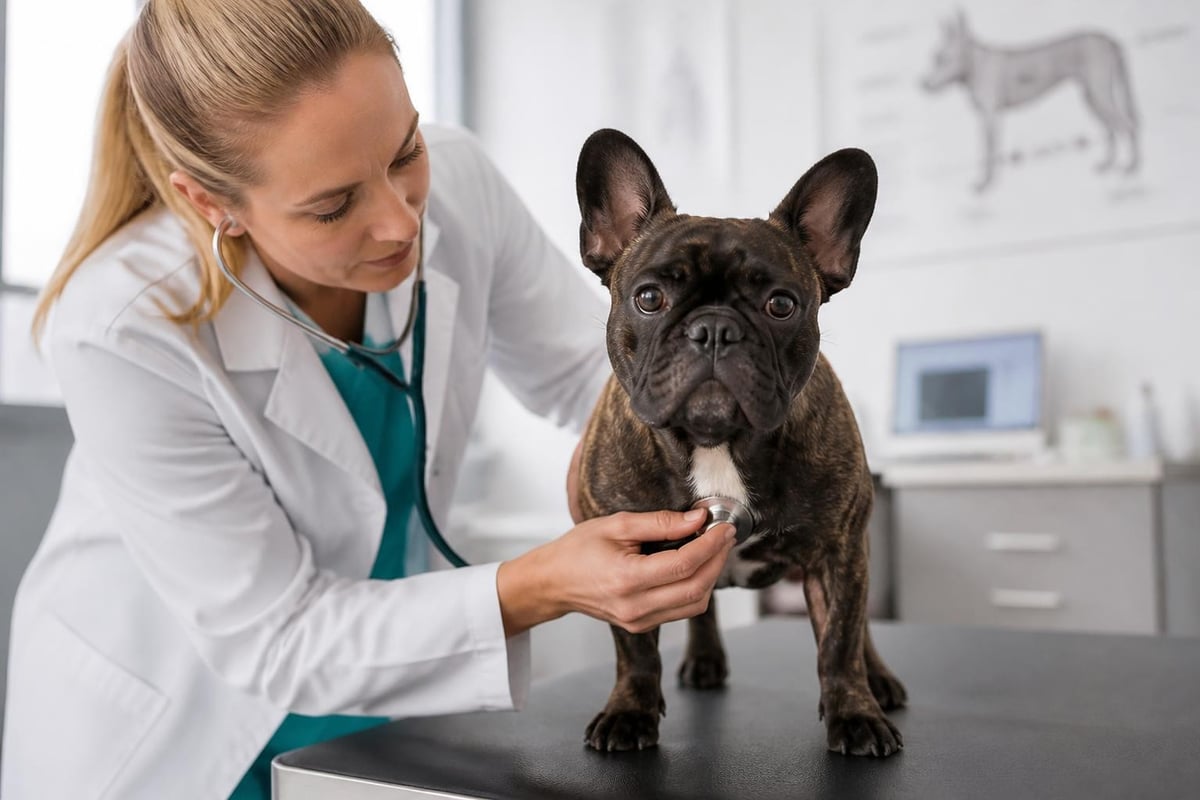
Regular veterinary check-ups are essential. Schedule appointments every six months to catch potential issues early. The American Kennel Club’s breed profile recommends specific health screenings including hip evaluation, patella evaluation, and ophthalmologist evaluation.
Grooming Your French Bulldog for Health and Happiness
Proper grooming is a cornerstone of french bulldog care. While Frenchies have short coats that don't require extensive brushing, their unique features need daily attention to prevent health problems.
Daily Facial Fold Care
Those adorable wrinkles are bacteria magnets if not cleaned regularly. Here's your daily routine:
- Gather supplies: Soft, damp cloth or pet-safe wipes, dry towel
- Gently lift each fold: Wipe away dirt, moisture, and debris
- Dry thoroughly: Moisture trapped in folds leads to infections
- Check for issues: Look for redness, odor, or irritation
- Apply protective balm: Use vet-approved products if recommended
This simple five-minute routine prevents painful infections and keeps your Frenchie comfortable. Make it a bonding experience with gentle words and treats for cooperation.
Coat, Nail, and Ear Care
Brushing your French Bulldog's coat once or twice weekly removes loose hair and distributes natural oils. Use a soft-bristle brush or grooming mitt designed for short-haired breeds. This minimal effort keeps their coat healthy and reduces shedding around your home.
Nail trimming should happen every three to four weeks. Overgrown nails cause discomfort and affect your dog's gait. If you hear clicking on hard floors, it's time for a trim. Many owners prefer professional grooming services for this task, which is perfectly fine.
Ear cleaning is crucial because French Bulldogs have exposed ear canals that collect debris. Check ears weekly for dirt, wax buildup, or odor. Use a vet-recommended ear cleaner and cotton balls (never cotton swabs deep in the canal) to gently clean the visible portions.
Nutrition That Supports French Bulldog Health
Feeding your Frenchie properly impacts every aspect of their wellbeing. These compact dogs have specific nutritional requirements that support their active metabolism while preventing obesity, which exacerbates breathing difficulties and joint problems.
Choosing the Right Food
French Bulldogs typically thrive on high-quality commercial dog food formulated for small to medium breeds. Look for these characteristics:
- High-quality protein as the first ingredient (chicken, beef, fish, or lamb)
- Moderate fat content (around 12-16%) for energy without excess calories
- Digestible carbohydrates like sweet potato or brown rice
- No common allergens if your dog has sensitivities (corn, wheat, soy)
- Omega-3 fatty acids for skin and coat health
Many French Bulldog owners find success with personalized dog nutrition plans that account for individual needs, activity levels, and health conditions.
Portion Control and Feeding Schedule
Obesity is a serious concern in french bulldog care. Extra weight strains their already compromised respiratory system and joints. Adult Frenchies typically need:
- 25-30 calories per pound of body weight daily
- Two meals per day (breakfast and dinner)
- Measured portions based on activity level
- Limited treats (no more than 10% of daily calories)
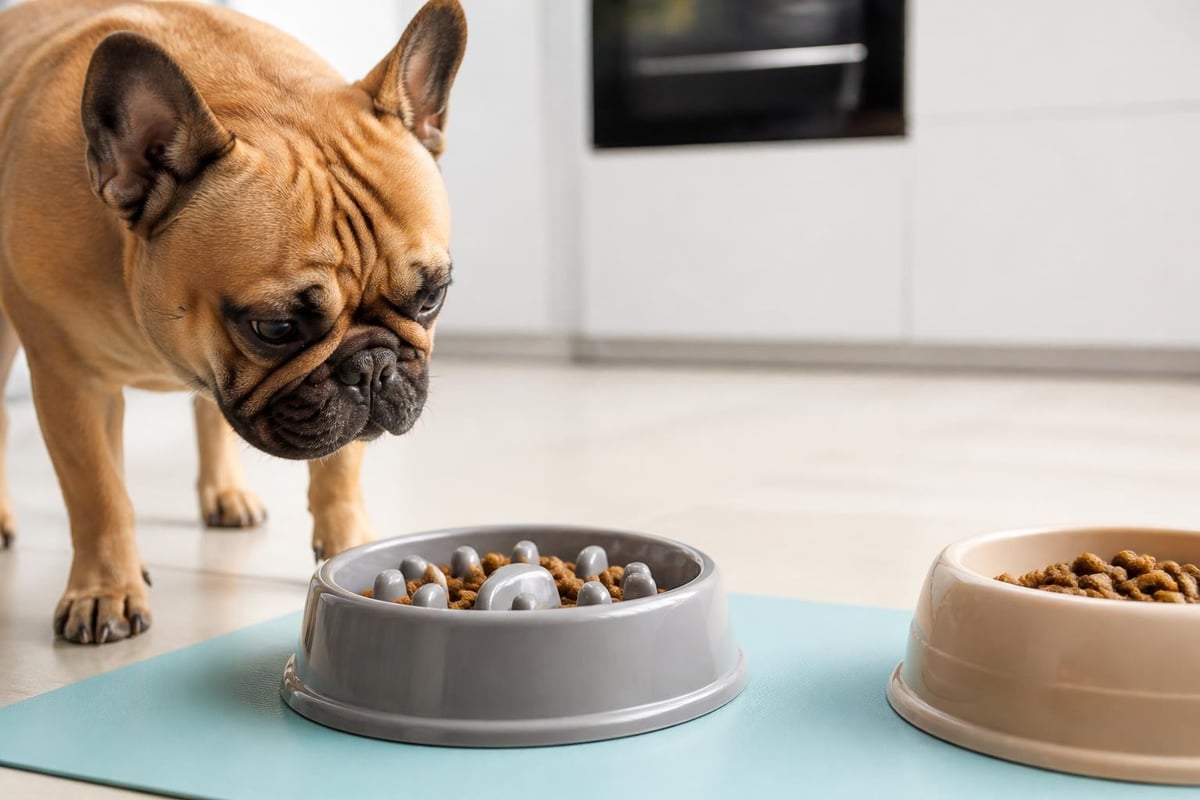
Special feeding considerations: Use a shallow, wide bowl to prevent respiratory distress while eating. Some Frenchies eat too quickly, leading to bloating and gas. Slow-feeder bowls or puzzle feeders encourage healthier eating pace and provide mental stimulation.
Always provide fresh, clean water. French Bulldogs need constant access to hydration, especially given their temperature regulation challenges.
Exercise and Activity for French Bulldogs
While French Bulldogs aren't marathon runners, they still need regular exercise to maintain healthy weight, mental stimulation, and muscle tone. The key is finding the right balance in your french bulldog care routine.
Safe Exercise Guidelines
French Bulldogs are companion dogs who enjoy moderate activity. Here's what works best:
Daily walks: Two 15-20 minute walks at a comfortable pace provide adequate exercise without overexertion. Choose flat routes and bring water for longer outings.
Indoor play: Short play sessions with favorite toys throughout the day keep them engaged. Frenchies love tug-of-war, gentle fetch, and interactive puzzle toys.
Swimming: Some French Bulldogs enjoy supervised swimming in shallow water, though many cannot swim due to their front-heavy build. Always use a life jacket designed for dogs if your Frenchie goes near water.
What to avoid:
- Strenuous exercise in hot or humid weather
- Long runs or intense physical activities
- Jumping from furniture or heights
- Off-leash time near water without supervision
Watch for signs of overexertion including excessive panting, slowing down, or lying down during activity. These signals mean it's time for rest and water.
Mental Enrichment Matters
French Bulldogs are intelligent, people-oriented dogs who need mental challenges. Incorporate training sessions, new tricks, scent games, and socialization opportunities into your routine. These activities tire them mentally, which is just as important as physical exercise. For more guidance on training techniques, explore resources on how to crate train a puppy, which applies to Frenchies of all ages.
Training and Socialization for Well-Adjusted Frenchies
Part of comprehensive french bulldog care involves developing good behavior and social skills. French Bulldogs are eager to please but can also be stubborn, making consistent, positive training essential.
Positive Reinforcement Training
French Bulldogs respond beautifully to reward-based training. They're food-motivated, making treats an excellent training tool when used appropriately. Start with basic commands:
- Sit: Hold treat above nose, move back over head, reward when bottom touches ground
- Stay: Start with short durations, gradually increase time and distance
- Come: Practice in safe, enclosed areas with high-value rewards
- Leave it: Teach impulse control around food, objects, and distractions
- Down: From sit position, lure nose toward ground with treat
Keep training sessions short (5-10 minutes) and fun. Frenchies have limited attention spans and can become frustrated with repetitive drilling. Multiple brief sessions throughout the day work better than one long session.
Socialization for Confidence
Well-socialized French Bulldogs are confident, friendly, and adaptable. Begin socialization early, exposing your puppy to various:
- People of different ages, appearances, and behaviors
- Other dogs (after appropriate vaccinations)
- Different environments (pet stores, parks, neighborhoods)
- Sounds (traffic, appliances, thunderstorms)
- Handling (grooming, veterinary exams)
The French Bulldog breed guide at Dog Care Guide offers detailed insights into temperament and behavior expectations. Understanding what your dog’s body language is telling you helps you recognize when your Frenchie feels comfortable or stressed during socialization.
Special Considerations for French Bulldog Owners
Beyond daily care routines, several important factors deserve attention in your french bulldog care journey.
Travel and Transportation Safety
French Bulldogs face unique risks during travel, particularly air travel. The AVMA provides guidance on air travel for short-nosed dogs, highlighting temperature-related risks and airline restrictions. Many airlines have banned brachycephalic breeds from cargo holds due to high fatality rates.
Car travel tips:
- Use a crash-tested dog harness or secured crate
- Never leave your Frenchie in a parked car, even briefly
- Provide ventilation and temperature control
- Take breaks every couple hours for water and bathroom needs
Breeding and Ethical Considerations
Before considering breeding your French Bulldog, understand the serious responsibilities involved. Research examining cross-breeding outcomes suggests that extreme brachycephalic features contribute to welfare concerns.
Responsible breeders prioritize health testing and breed standards. The RSPCA highlights welfare risks in flat-faced breeds, encouraging prospective owners to choose breeders who participate in health screening programs.
If you're considering whether a French Bulldog fits your lifestyle, the AKC’s guide to whether a French Bulldog is right for you offers valuable perspective on the commitment required.
Frequently Asked Questions About French Bulldog Care
How much does French Bulldog care cost annually?
French bulldog care typically costs between $2,000 and $4,000 annually, including routine veterinary care, high-quality food, grooming supplies, preventive medications, and pet insurance. Emergency medical expenses can significantly increase costs, so maintaining an emergency fund or pet insurance is wise.
Can French Bulldogs be left alone during the day?
French Bulldogs are companion dogs who thrive on human interaction. While they can be left alone for 4-6 hours with proper preparation, they shouldn't be isolated for extended periods regularly. Provide mental enrichment, comfortable temperature control, and consider a dog walker or daycare for longer absences.
Do French Bulldogs require professional grooming?
French Bulldogs don't need extensive professional grooming like some breeds, but many owners appreciate quarterly grooming visits for nail trimming, ear cleaning, and bathing. Daily home care of facial folds, weekly brushing, and regular nail maintenance are the primary grooming requirements.
What's the ideal temperature range for French Bulldogs?
French Bulldogs are most comfortable in temperatures between 60-75°F. They struggle in heat above 85°F and can develop hypothermia in extreme cold. Always provide climate control, avoid outdoor time during temperature extremes, and watch for signs of distress.
How long do French Bulldogs typically live?
With proper french bulldog care, these dogs typically live 10-12 years. Lifespan depends on genetics, health management, weight control, and preventive veterinary care. Addressing respiratory issues early and maintaining healthy lifestyle habits supports longevity.
Are French Bulldogs good with children and other pets?
French Bulldogs are generally excellent family dogs who get along well with children and other pets when properly socialized. They're patient, affectionate, and playful. Supervise interactions with young children and teach respectful handling. Early socialization helps them coexist peacefully with other household pets.
What are the signs of heatstroke in French Bulldogs?
Heatstroke signs include excessive panting, drooling, bright red gums, vomiting, diarrhea, weakness, collapse, and seizures. This is a life-threatening emergency requiring immediate veterinary attention. Prevention through temperature management is critical in french bulldog care.
French bulldog care requires dedication, knowledge, and daily attention to their unique needs, but the reward is a loyal, loving companion who brings immeasurable joy to your life. From managing their respiratory health to maintaining proper nutrition and providing safe exercise, every aspect of care contributes to your Frenchie's quality of life. If you're looking for more comprehensive guidance on caring for your beloved companion, Dog Care Guide offers practical tips, heartwarming advice, and expert resources to help you pamper and protect your furry friend every step of the way.